Socio Today
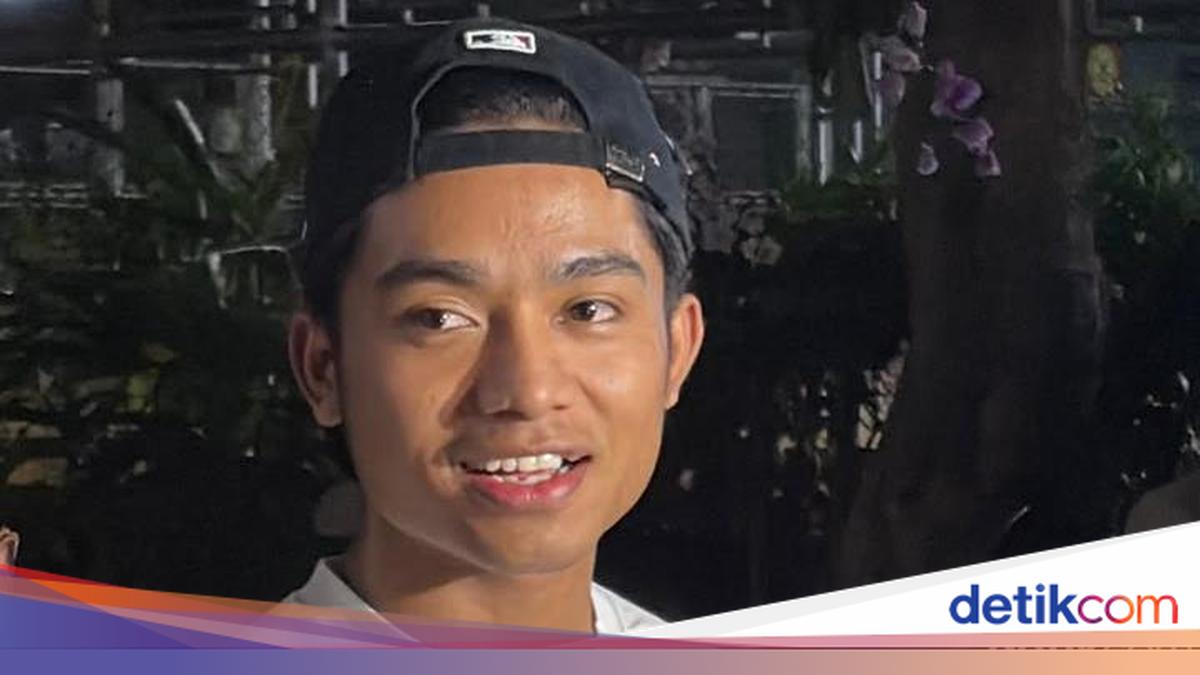
The entertainment industry in Indonesia remains gripped by the unfolding legal developments involving rising star Betrand Peto, the son of renowned presenter Ruben Onsu. Following a series of allegations that have surfaced in recent weeks, the young performer has officially addressed the public and law enforcement, asserting his commitment to remain in the country and cooperate fully with the ongoing investigation into claims of physical assault. The case, which is currently being handled by the Directorate of Women and Children Protection and Human Trafficking (Ditres PPA-PPO) at the Jakarta Metropolitan Police (Polda Metro Jaya), has drawn significant media attention due to the high profile of the parties involved.
The Core Allegations and Legal Standing
The legal scrutiny facing Betrand Peto stems from a formal police report filed by an individual identified as DYP. The report, registered under the number LP/B/6852/IX/2026/SPKT/POLDAMETROJAYA, alleges that an incident of physical violence occurred on September 14, 2026. This report is part of a broader, more complex legal tangle involving multiple individuals, including public figure Bebby Hatami.
The situation is characterized by cross-accusations that have complicated the narrative. Specifically, two individuals—identified as ANW and DYP—have lodged separate complaints against Peto and his associates. The allegations are grave: while DYP has accused Peto of physical assault stemming from a dispute between two groups, ANW has separately accused Peto of sexual misconduct. These concurrent investigations have placed immense pressure on the young entertainer’s legal team, led by his family’s representatives, to navigate the complexities of the Indonesian criminal justice system.
Chronology of Events
To understand the gravity of the situation, it is necessary to examine the timeline of the events leading up to the current police presence at the Polda Metro Jaya:
- September 14, 2026: The alleged incident of physical altercation occurs, involving conflicting groups in a setting that has yet to be fully disclosed by authorities.
- Late September 2026: Formal reports are filed by ANW and DYP at the Jakarta Metropolitan Police.
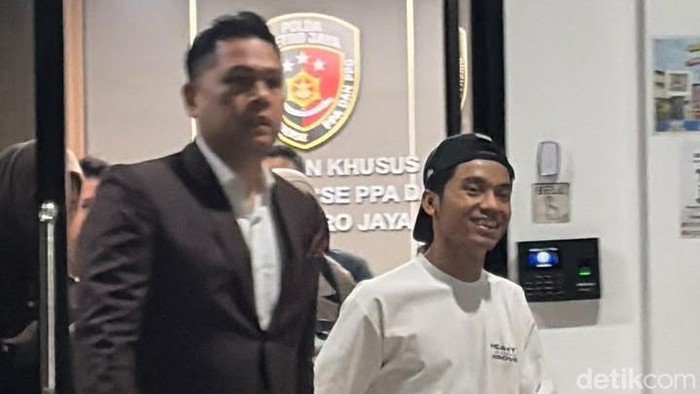
- September 21, 2026: Betrand Peto attends a scheduled session at the Ditres PPA-PPO to provide his statement as a witness regarding the allegations made by DYP.
- September 27, 2026: Following several weeks of public speculation and media inquiries, Peto issues a formal statement outside the police headquarters, explicitly denying any intent to flee the country and reiterating his availability for further questioning.
Public Statement and Commitment to the Law
During his appearance at the Jakarta Metropolitan Police on September 21, Betrand Peto maintained a composed demeanor despite the intense scrutiny of the press. When asked about his mobility and whether he intended to leave the country to avoid the proceedings, he was clear and direct. "I am here, and I am not going anywhere," he stated.
This declaration serves as a strategic maneuver to mitigate rumors that the entertainer might attempt to evade the jurisdiction of the Indonesian courts. By publicly affirming his presence and willingness to participate in the investigative process, Peto’s legal counsel aims to signal that they have nothing to hide and that the allegations are either unfounded or grossly misrepresented.
The Broader Context of Legal Challenges for Public Figures
The involvement of young, high-profile celebrities in criminal investigations is not unprecedented in the Indonesian entertainment landscape. However, the nature of these specific allegations—ranging from physical battery to sexual violence—raises questions about the personal and professional risks faced by individuals in the public eye.
In Indonesia, the "Right to be Presumed Innocent" is a cornerstone of the legal process, yet social media and mainstream media coverage often create a "trial by public opinion" before the police have concluded their investigations. For a young public figure like Betrand Peto, the social stigma associated with such allegations can have long-lasting effects on his career, regardless of the eventual legal outcome.
Analysis of the Investigation
The fact that the case is being processed by the Ditres PPA-PPO indicates that the authorities are treating the allegations with a high level of seriousness. The PPA (Women and Children Protection) division is specialized, and investigations handled here often involve sensitive evidentiary requirements, including forensic analysis, witness testimonies, and, in some cases, digital evidence.
Legal experts note that in cases of alleged group disputes, the challenge for the police is to determine the sequence of events and identify the primary aggressor. Because there are cross-reports, the police must disentangle the actions of all parties involved to ascertain whether the physical altercation was a result of self-defense, mutual combat, or unprovoked violence.
Impact on the Entertainment Industry
Ruben Onsu, a prominent figure in the Indonesian broadcasting industry, has been closely involved in supporting his son throughout this ordeal. The case has become a focal point for discussions on the vulnerability of celebrity children and the responsibilities of public figures in managing interpersonal conflicts.

If the investigation proceeds to a formal indictment, the impact on Betrand Peto’s career could be significant. Advertisers and production houses in Indonesia typically include "morality clauses" in contracts, which can lead to the termination of partnerships if a talent is involved in a criminal investigation. However, if the investigation concludes that there is insufficient evidence to proceed—a common outcome in such high-profile disputes—Peto would likely be cleared to return to his professional activities.
Official Responses and Future Outlook
As of late September 2026, the police have remained professional and guarded regarding the specific details of the ongoing investigation. Spokespersons for the Jakarta Metropolitan Police have indicated that all parties will be summoned as required to ensure a comprehensive report.
For the public, the waiting period continues. The next logical step in the process involves the police concluding their preliminary witness interviews and moving toward a case expose (gelar perkara) to determine if there is enough evidence to elevate the status of the investigation to a full-scale prosecution.
Conclusion: The Road Ahead
The case involving Betrand Peto is a reminder of the volatility inherent in the lives of public figures. While the legal system continues its work to uncover the truth of what transpired on September 14, 2026, the primary objective for the defense remains to clear the entertainer’s name through established legal channels.

As the investigation moves forward, the public is advised to rely on official statements from the Jakarta Metropolitan Police rather than unverified reports circulating on social media. The commitment shown by Peto to cooperate with the authorities is a necessary step in maintaining his legal standing and ensuring that the due process of law is respected.
The coming weeks will be critical. Should the police find evidence of criminal wrongdoing, the legal consequences could be severe; conversely, should the evidence prove insufficient, the focus will likely shift to the potential for defamation or false reporting counter-suits. For now, the narrative remains one of cooperation and adherence to the legal requirements of the state, as both the accused and the investigators prepare for the next phase of this complex and deeply public matter. The outcome of this case will undoubtedly serve as a significant reference point for future legal disputes involving public figures in the Indonesian media landscape.