Socio Today
The foundational relationship between a child and their parents extends far beyond the formation of basic emotional closeness; it actively shapes the neurological pathways through which a child perceives, interprets, and navigates the surrounding world. According to contemporary developmental psychology and insights compiled by family resource platforms such as Raising Children, a child’s earliest understanding of selfhood and societal structures is constructed through continuous interactions with parents, primary family members, and designated caregivers. Through verbal communication, crying, laughing, and relentless questioning, children develop the mechanisms required to express their internal states.
The subsequent responses provided by parents serve as critical data points for developing minds, dictating how children believe the world operates and how they should appropriately react to dynamic stressors. When the domestic environment offers a consistently secure and comfortable attachment, children systematically enhance their cognitive capabilities, comprehension skills, communication proficiency, behavioral regulation, emotional expression, and social dexterity. Warm, responsive parenting that reliably meets a child’s developmental needs establishes psychological stabilization. This fosters an enduring bond that grants children the internal resilience and supreme confidence necessary to independently explore unfamiliar environments.
Understanding the complex markers of a secure parent-child dynamic remains essential for modern educators, clinical psychologists, and guardians striving to optimize emotional health in early childhood. While developmental milestones are frequently measured through physical growth and academic aptitude, emotional safety is the invisible bedrock of lifelong psychological well-being. Below is a comprehensive examination of the primary behavioral indicators demonstrating that a child feels entirely safe, supported, and secure within their familial ecosystem.
Spontaneous Expressions of Affection as a Barometer of Emotional Security
One of the definitive indicators that a child shares a robust, secure attachment with their guardians is the unprompted execution of affectionate behaviors. Developmental specialists and family dynamics authors, such as Maureen Healy, author of The Emotionally Healthy Child, frequently emphasize that children who autonomously express affection have successfully cultivated a deep sense of psychological safety within their primary relationships.
Unlike learned or socially obligated behaviors, spontaneous statements—such as declaring love unprovoked or intentionally seeking physical proximity by sitting close on a couch—indicate that the child’s internal emotional landscape is stable. These actions signify that the home environment lacks an atmosphere of intimidation or rejection, allowing positive emotions to surface without calculated hesitation.
Non-Verbal Affirmation: The Power of Eye Contact and Joyful Smiles
Emotional safety between a parent and child often transcends the boundaries of verbal communication, finding its most potent expression in facial mimicry and shared joy. When a young child makes direct eye contact with a parent and subsequently breaks into an uninhibited, joyful smile, a silent feedback loop is established.
When parents appropriately mirror this positivity through reciprocal smiles, gentle vocalizations, or warm physical touches, they validate the child’s attempt at connection. This behavioral dance informs the developing brain that social outreach yields safe, predictable, and nurturing results, reinforcing the child’s willingness to engage openly with caregivers and, eventually, the broader community.
Navigating Novelty: Seeking Parental Reassurance in Unfamiliar Situations
A secure attachment does not imply an absence of fear, apprehension, or hesitation; rather, it dictates how a child manages these inevitable human emotions when confronted with the unknown. When introduced to unfamiliar environments, new geographical settings, or unfamiliar individuals, a securely attached child frequently utilizes their parents as an emotional anchor.
Clinical psychologist Dr. Michael Mintz notes that toddlers and young children routinely scan their parents’ faces and physical postures for behavioral cues when evaluating novel circumstances. "During the toddler years, children tend to check in with their parents in new situations, such as when meeting unfamiliar people. The parents’ response serves as a guide for the child," Mintz explains. This behavioral phenomenon, often studied under the framework of social referencing, highlights how parents function as a secure base from which children can safely evaluate and eventually master environmental stressors.
Physical Proximity and the Initiation of Comfort Seeking
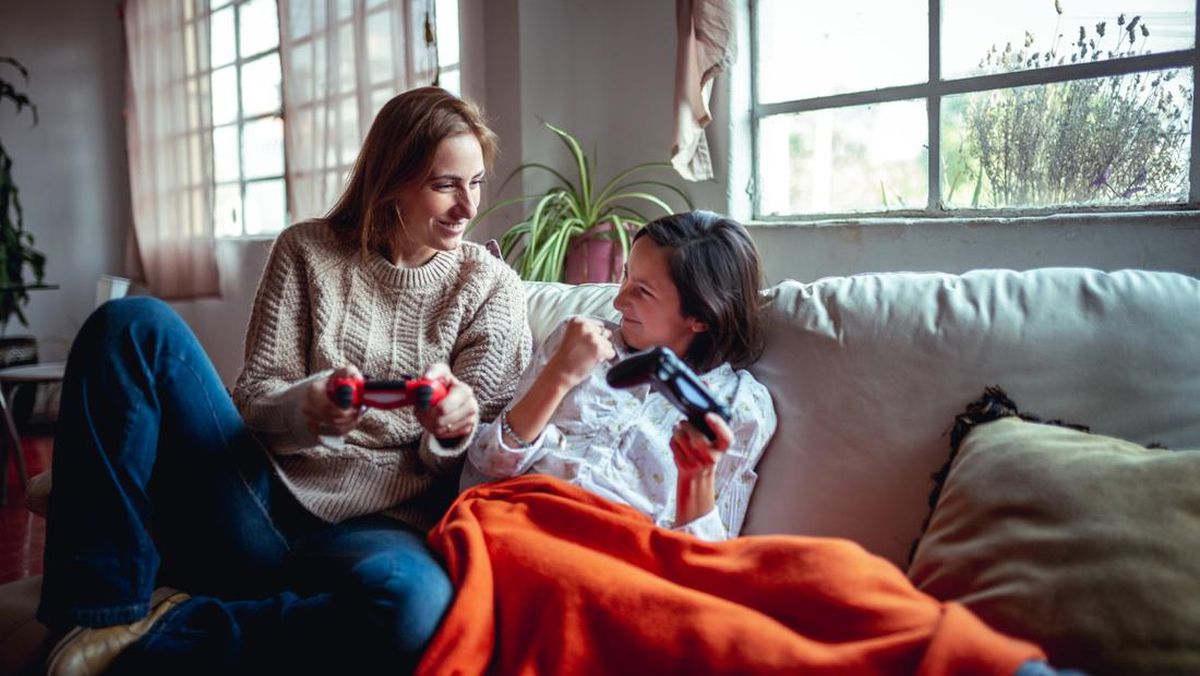
Physical touch remains a primal language of safety. Children who feel securely bonded with their parents exhibit a distinct lack of inhibition when it comes to initiating physical contact, such as unprompted hugs, hand-holding, or seeking physical comfort particularly during transitions, such as the approach of bedtime.
This deliberate seeking of physical closeness serves a dual developmental purpose. Mechanically, it lowers cortisol levels and promotes oxytocin release, while symbolically reaffirming the boundary of the family unit as an impenetrable zone of safety. When a child willingly initiates a embrace without external prompting, it demonstrates that vulnerability is met with warmth rather than dismissal.
Tangible Offerings: Creative Expressions of Care from Child to Parent
Affection in early childhood frequently manifests in tangible, creative output rather than verbal articulation. Many children express their internal emotional security by crafting, collecting, or presenting small items to their parents. These offerings—ranging from crude crayon drawings and hand-molded clay figures to simple, collected objects like smooth stones or fallen leaves—carry profound psychological significance.
Developmental analysts advise against dismissing these tokens as mere child’s play. For a developing mind, dedicating time and cognitive effort to produce a physical item and present it to a parent is a direct translation of emotional appreciation. It reflects a secure mindset that desires to reciprocate the warmth and safety provided by the caregiver.
Transparent Narrative Sharing: The Comfort of Daily Debriefing
Children who navigate the world with a deep-seated sense of security are notably more communicative regarding their daily experiences, triumphs, and minor grievances. A child who comfortably recounts playground interactions, shares curiosities about natural phenomena, or chatters endlessly about minor school events is displaying foundational trust in their parents’ receptiveness.
Active listening on the part of the parent is critical during these moments. When guardians pause their responsibilities to listen attentively and validate the child’s narrative, they solidify a psychological contract of trust. This habit ensures that as the child grows into adolescence and faces increasingly complex social challenges, the established baseline of open communication remains intact.
Seeking Sanctuary: Parental Refuge During Emotional Distress
Perhaps the most conclusive marker of a secure parent-child attachment is the child’s instinctual trajectory during moments of profound distress, fear, pain, or emotional dysregulation. While insecurely attached children may withdraw, internalize their trauma, or display disorganized coping mechanisms, securely attached children invariably seek out their parents as the ultimate sanctuary.
Dr. Mintz elaborates on this behavioral dynamic, noting, "A child who has a secure attachment will likely seek out their parents when they are upset or hurt. They trust that they will be soothed through the social support of their parents." Consequently, when a child drops their defenses, runs for a comforting embrace, or demands parental proximity during a crisis, it serves as empirical validation that the relationship functions as a reliable, restorative haven.
Broader Implications and Long-Term Psychological Impact
Understanding and identifying these seven behavioral markers holds significant implications for modern family dynamics, public health policies regarding early childhood intervention, and educational frameworks. Decades of longitudinal psychological research consistently demonstrate that children raised in environments characterized by secure attachments exhibit higher emotional intelligence, enhanced academic resilience, lower rates of anxiety and depression, and superior interpersonal relationship skills in adulthood.
As societal pressures, digital distractions, and economic demands increasingly strain modern family structures, consciously monitoring and nurturing these behavioral indicators becomes paramount. By recognizing that micro-interactions—such as a shared smile, a spontaneous hug, or an attentive ear during a rambling story—are the foundational building blocks of lifelong mental health, parents can better cultivate resilient, emotionally balanced individuals capable of navigating an increasingly complex global society.