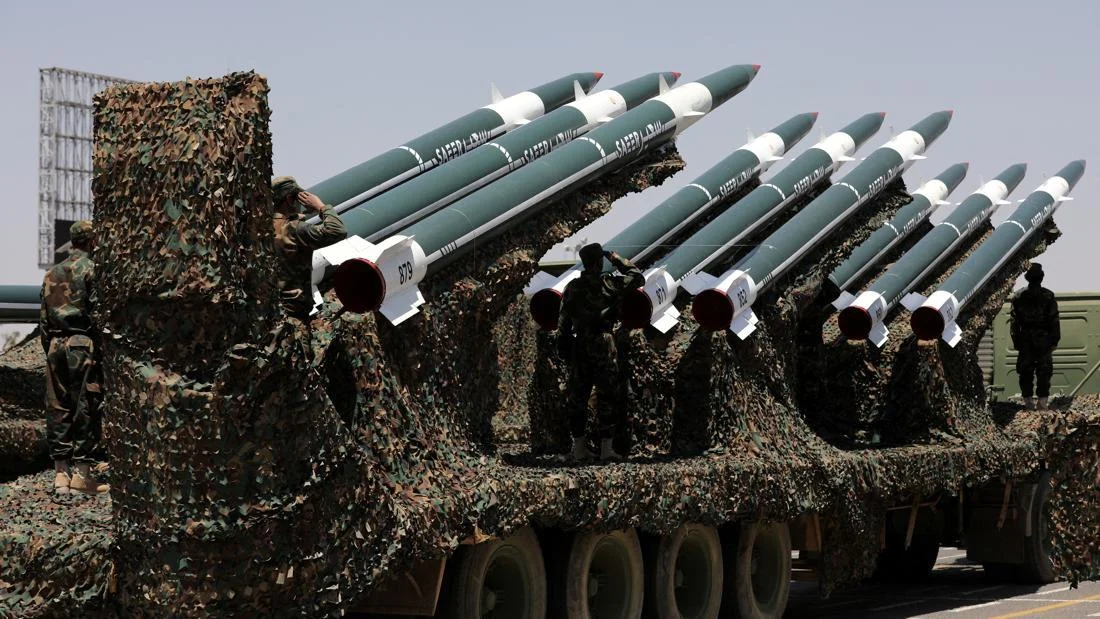
The geopolitical landscape of the Middle East experienced a sharp escalation in tensions as the Houthi movement in Yemen launched a coordinated wave of ballistic missile attacks targeting critical infrastructure within the Kingdom of Saudi Arabia. The strikes, which unfolded on Tuesday, directly targeted the nation’s heavily defended capital city of Riyadh and critically important energy facilities along the eastern coastline, including the massive Ras Tanura oil refinery complex. This aggressive maneuver underscores the persistent security vulnerabilities facing the world’s leading crude oil exporter and highlights the ongoing cross-border asymmetric warfare that has plagued the region for years.
According to statements released by the Houthi military apparatus, the operation involved advanced ballistic weaponry designed to bypass sophisticated defense systems. Yahya Saree, the chief military spokesperson for the group, claimed that the assault successfully struck vital strategic installations. The attacks have reignited international concerns regarding the safety of global energy supplies, maritime security in the Persian Gulf, and the broader humanitarian and political stalemates characterizing the protracted civil conflict in Yemen. While Saudi authorities have maintained a measured and defensive posture, the physical fallout and acoustic evidence of the strikes have rattled residents and reignited debates concerning regional deterrence and missile defense efficacy.
Chronology of the Escalation
The events of Tuesday began in the early hours of the morning when intelligence and radar systems across the Arabian Peninsula detected unusual launch signatures originating from Houthi-controlled territories in Yemen. Security frameworks were immediately put on high alert as the trajectory of the incoming projectiles became clear.
By mid-morning, residents across Riyadh reported hearing a succession of deafening explosions that reverberated through the city center, causing window panes to rattle and prompting emergency warning systems to broadcast alerts urging citizens to seek immediate shelter. Subsequent reports from international correspondents and local security officials confirmed that the capital was targeted by at least two ballistic missiles. Saudi air defense batteries engaged the incoming threats, successfully intercepting them in mid-air. However, the sheer kinetic force and falling debris from the intercepted missiles caused localized collateral damage, impacting a commercial building, an active construction site, and multiple civilian vehicles.
Simultaneously, the eastern flank of the Kingdom faced a parallel barrage. The Saudi-led coalition operating in Yemen reported that three separate ballistic missiles were intercepted over the Eastern Province. Despite the successful interceptions by Patriot missile batteries, maritime security agencies, including the Vanguard security group, confirmed that falling debris or secondary impacts triggered a localized fire at the Ras Tanura oil refinery complex during the early dawn hours. Emergency response teams and industrial firefighters were swiftly deployed to the scene, managing to bring the resulting blaze under control before it could severely compromise the broader petroleum processing infrastructure.
Strategic Significance of Ras Tanura and Energy Implications
The Ras Tanura oil refinery stands as a crown jewel of the Saudi Arabian oil industry and a cornerstone of global energy commerce. Situated strategically along the Persian Gulf coast, the sprawling industrial complex boasts a refining capacity of approximately 550,000 barrels per day. Beyond its direct refining output, Ras Tanura serves as a vital shipping and export terminal for millions of barrels of crude oil destined for international markets daily.
Because of its immense economic gravity, the facility has historically been a prime target for hostile actors seeking to disrupt global petroleum flows and exert economic leverage against Riyadh and its Western allies. The facility previously suffered a drone assault in March of the same year, which briefly halted partial operations and sent shockwaves through international oil futures markets. Tuesday’s assault reinforces the precarious nature of critical energy nodes in the Middle East, where conventional military conflicts frequently spill over into industrial and economic domains. Analysts note that any prolonged disruption to Ras Tanura would instantaneously trigger spikes in global crude prices, threatening fragile post-pandemic economic recoveries worldwide.
Official Responses and Defensive Countermeasures
The official response from the Kingdom of Saudi Arabia emphasized the professionalism and readiness of its integrated air defense networks. While government and military officials refrained from officially commenting on the specific identities or proprietary layouts of the targeted facilities, the Ministry of Defense released comprehensive briefings detailing the neutralization of the threats. The Ministry confirmed that multiple ballistic missiles were intercepted and destroyed before reaching their intended coordinates, minimizing potential casualties and structural devastation.
The Saudi-led military coalition, which has been engaged in a relentless campaign against the Houthi movement since 2015, condemned the attacks as reckless acts of terrorism aimed deliberately at global energy security and civilian populations. Coalition commanders reiterated their commitment to protecting vital infrastructure and stated that retaliatory measures would be executed in accordance with international law to degrade the offensive capabilities of the insurgent forces.
International reactions mirrored deep apprehension regarding the frequency of these cross-border incursions. Allies of Riyadh, particularly Western nations with strategic stakes in Gulf security, have repeatedly criticized the Houthi movement for rejecting comprehensive ceasefire proposals and continuing to utilize sophisticated weaponry allegedly supplied by external state sponsors, most notably Iran.
Geopolitical Context and Broader Implications
The latest assault cannot be viewed in isolation; it represents the culmination of an increasingly volatile October marked by a persistent surge in Houthi-initiated aerial campaigns. Throughout the month, Saudi territory—including civilian population centers, international airports such as the King Khalid International Airport in Riyadh, and various oil storage facilities—has faced a barrage of unmanned aerial vehicles and ballistic missiles.
This sustained campaign illustrates the limitations of traditional defense-in-depth strategies against asymmetric warfare tactics. While advanced anti-missile systems like the U.S.-made Patriot batteries boast high interception rates, the sheer economic disparity—where relatively low-cost drones and rudimentary ballistic missiles force the expenditure of multimillion-dollar interceptor missiles—presents a long-term strategic challenge for Riyadh.
Furthermore, the attacks complicate ongoing, fragile diplomatic efforts spearheaded by the United Nations and regional intermediaries to broker a permanent political settlement in Yemen. The humanitarian crisis in Yemen remains catastrophic, yet the refusal of the Houthi leadership to halt external military operations against Saudi infrastructure diminishes the prospects for a durable peace treaty.
As investigations into the Tuesday missile strikes continue, the international community remains on high alert. The incident serves as a stark reminder that the security architecture of the Middle East remains perilously fragile, where localized conflicts can instantaneously threaten the stability of global financial markets and energy arteries. Policymakers in Washington, European capitals, and Gulf monarchies face renewed urgency in formulating cohesive strategies to deter further escalation, secure vital maritime chokepoints, and compel belligerent parties back to the negotiating table before a catastrophic breach of critical infrastructure occurs.