Socio Today
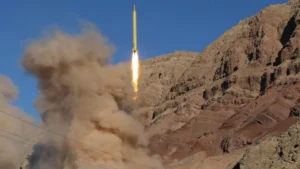
The geopolitical landscape of the Arabian Peninsula has deteriorated sharply following a dramatic spike in military engagements between the Kingdom of Saudi Arabia and the Houthi movement in Yemen. According to official statements released by the Houthi military apparatus, coalition fighter jets launched a wave of approximately 40 airstrikes targeting western and central regions of Yemen over a continuous 24-hour operational window. This intensive aerial bombardment marks one of the most concentrated military campaigns in recent months, signaling a perilous escalation in a protracted conflict that has already generated one of the worst humanitarian crises in modern history.
The latest escalation threatens to permanently derail fragile regional de-escalation efforts, drawing international concern as the specter of renewed, full-scale warfare looms over the region. Both military forces and civilian populations find themselves once again caught in the crossfire of high-stakes strategic posturing, cross-border drone incursions, and heavy aerial retaliation.
Intensified Airstrikes Across Strategic Yemeni Provinces
The recent air campaign was detailed by the Houthi military spokesperson, Yahya Saree, through official communication channels. Saree asserted that Saudi military aviation deployed advanced F-15 strike aircraft departing directly from the Khamis Mushait Air Base, located in the southwestern region of the Kingdom. The primary objective of these sorties, according to Houthi reports, was to dismantle military infrastructure, supply lines, and staging grounds controlled by the group across three vital Yemeni provinces: Taiz, Marib, and Hodeidah.
Taiz, situated in the southwestern highlands, remains a heavily contested psychological and strategic prize, often described as the cultural and intellectual heart of Yemen but severely fragmented by years of urban warfare. Marib, lying east of the capital city of Sanaa, represents the energy lifeline of Yemen, rich in oil and gas reserves, making its defense or capture paramount to any warring faction. Meanwhile, Hodeidah serves as the nation’s premier port city on the Red Sea, acting as the primary logistical conduit for commercial imports, food supplies, and humanitarian aid entering northern Yemen.
Independent verification of the precise extent of the damage resulting from the 40 reported airstrikes remains challenging due to severe reporting restrictions on the ground and active combat conditions. However, local sources within the affected provinces confirmed heavy explosions and sustained aerial activity throughout the affected sectors, exacerbating fears of renewed civilian displacement and infrastructure collapse.
Chronology of Crisis: From Drone Interceptions to National Emergencies
The precipitous deterioration of security did not occur in a vacuum; it follows a rapid sequence of events that began with an alleged aerial attack directed toward the holy city of Mecca.
The immediate catalyst for the renewed military campaign unfolded when Saudi defense authorities announced the successful interception and destruction of an unidentified aerial vehicle—commonly described as a combat drone—flying dangerously close to the environs of Mecca. Riyadh asserted unequivocally that the unmanned aerial system originated from Houthi-controlled territories in Yemen and was intentionally programmed to target Islam’s holiest site. The Houthi leadership has categorically denied these allegations, dismissing the claim as a fabricated pretext designed to garner international sympathy and justify an escalation in airstrikes.
Following the reported drone interception, the security apparatus within the Kingdom moved swiftly to activate emergency protocols. On Tuesday, September 15, Saudi authorities issued an unprecedented series of emergency warnings utilizing the National Early Warning Platform for Emergencies. Disseminated widely through the Saudi Civil Defense agency, the alerts warned residents of impending security threats across several major western urban centers, specifically identifying Mecca, the commercial hub of Jeddah, and the mountain resort city of Taif.
The emergency directives instructed citizens and residents to seek immediate shelter, remain indoors, and strictly adhere to official safety guidelines issued by civil protection authorities. While the government did not publicly disclose the precise nature of the anticipated threat—leaving room for public speculation regarding potential chemical, ballistic, or drone attacks—the alert was lifted shortly after as security forces secured the airspace.
This domestic security scare was preceded by a series of coordinated cross-border missile and drone strikes claimed by or attributed to the Houthi movement. These attacks systematically targeted strategic installations within Saudi territory, including critical infrastructure and military outposts in Khamis Mushait, Abha, and Taif. Reports from local emergency services inside Saudi Arabia confirmed that at least 13 individuals sustained injuries during these cross-border barrages, prompting severe condemnation from regional allies and the international community.
Background Context: The Anatomy of a Protracted Conflict
To understand the gravity of the current escalation, one must examine the broader historical context of the Yemeni civil war. The conflict formally ignited in late 2014 and early 2015 when the Houthi movement, officially known as Ansar Allah, ousted the internationally recognized government of President Abdrabbuh Mansur Hadi from the capital city of Sanaa.
Alarmed by the ascent of a movement with alleged ties to regional adversaries, a coalition of Arab states led by Saudi Arabia and the United Arab Emirates intervened militarily in March 2015 under the banner of Operation Decisive Storm. The coalition’s stated objective was to restore the legitimate Yemeni government, secure Saudi borders, and roll back Iranian influence in the southern Arabian Peninsula.
Over the subsequent decade, the conflict evolved into a devastating stalemate characterized by asymmetric warfare, ballistic missile exchanges, maritime security threats in the Red Sea and the Bab el-Mandeb strait, and a catastrophic humanitarian toll. Millions of Yemenis have been displaced, and the nation’s healthcare, economic, and agricultural systems remain crippled.
Despite numerous diplomatic initiatives, United Nations-brokered ceasefires, and backchannel negotiations mediated by regional powers such as Oman, a permanent political settlement has remained elusive. Periodic lulls in fighting have consistently proven fragile, vulnerable to sudden escalations triggered by localized skirmishes, maritime incidents, or political impasses over resource sharing and administrative control.
Implications for Regional Stability and International Trade
The intensification of hostilities between Saudi Arabia and the Houthi movement carries profound implications that extend far beyond the immediate borders of Yemen and the Kingdom.
First and foremost, the humanitarian ramifications for the civilian population in Yemen are catastrophic. A return to sustained aerial bombardment and ground offensives threatens to halt the delivery of critical humanitarian assistance, imperiling millions of vulnerable citizens who rely entirely on foreign aid for survival. In provinces like Hodeidah and Marib, renewed conflict directly threatens agricultural productivity, water sanitation networks, and medical facilities that are already operating on the brink of failure.
Second, the security of global energy markets and vital international shipping lanes hangs in the balance. The southern approaches to the Red Sea represent one of the most critical maritime choke points in global commerce, facilitating the transit of millions of barrels of oil and vast quantities of manufactured goods between Asia, Europe, and the Americas. Continued drone and missile exchanges near key Saudi infrastructure hubs and coastal zones reintroduce severe risk premiums for commercial shipping and aviation operating within the theater.
Finally, the breakdown in the tacit truce between Riyadh and Sanaa complicates ongoing diplomatic tracks. Regional and international mediators, including the United Nations Special Envoy for Yemen, now face an uphill battle to pull the warring parties back from the brink of total confrontation. Rebuilding trust will require immediate confidence-building measures, restraint from both military commands, and a renewed commitment to comprehensive political dialogue that addresses the root socio-political grievances driving the conflict.
As the situation continues to develop, regional capitals and international observers remain on high alert, monitoring whether this surge in military operations will remain a localized escalation or spiral back into the systemic devastation that defined the previous decade of war.