Socio Today
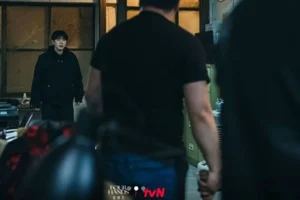
The South Korean television landscape continues to be dominated by artistic narratives, with the tvN drama series "Four Hands, Two Sonatas" emerging as a critical and commercial phenomenon. Since its premiere in late August 2026, the series has consistently drawn high viewership, culminating in a record-breaking broadcast on September 13, 2026. According to Nielsen Korea data released via Soompi, the series achieved a nationwide peak rating of 7.3 percent for its sixth episode, outperforming all competing programming across public and cable networks during its designated time slot. This milestone underscores a growing appetite among television audiences for character-driven dramas that blend technical skill, emotional depth, and classical music performance.
Musical Symbolism and the Core Narrative Premise
The title "Four Hands, Two Sonatas" serves as both a literal description and a profound metaphor for the central narrative. In classical piano nomenclature, "four-hands" refers to a technique wherein two pianists share a single piano to perform a composition, requiring absolute synchronization, mutual trust, and a blending of distinct musical interpretations. The series applies this concept to the lives of its primary protagonists, exploring how two vastly different young artists overcome their rivalries to create emotional and artistic harmony.
Set within the competitive environment of a prestigious arts high school, the narrative traces the developmental journeys of a group of talented youths as they navigate the rigorous transition from student musicians to professional concert pianists. Beyond the technical demands of their craft, the storyline intricately weaves themes of adolescent ambition, romantic awakenings, institutional pressure, peer rivalry, and the psychological weight of expectation. Rather than confining the musical elements to the background, the production integrates piano performances as a vital extension of the characters’ internal emotional landscapes.
Character Dynamics: Discipline Versus Innate Genius
At the heart of the drama’s conflict and subsequent camaraderie are two contrasting archetypes of artistic talent. Kang Bi Oh, portrayed by acclaimed actor Song Kang, represents the triumph of relentless discipline and grueling physical labor. Known throughout the academy for his exceptional technical proficiency, Bi Oh maintains his position at the top of his class through an uncompromising routine that demands up to ten hours of daily practice. His approach to the piano is methodical, protective, and deeply guarded, born from a fear of losing the ground he has fought so hard to conquer.
The status quo of Bi Oh’s structured world is upended with the arrival of Choi Jung Yo, played by Lee Jun Young. Jung Yo possesses an effortless, innate musicality that immediately captivates faculty and peers alike. Where Bi Oh relies on sheer endurance, Jung Yo commands the instrument through natural intuition and emotional expression. However, despite his effortless aptitude, Jung Yo suffers from a latent apathy toward his own potential—until he encounters Bi Oh’s formidable playing.
The initial meeting between the two young men exposes the limitations of Bi Oh’s self-imposed boundaries while simultaneously reigniting Jung Yo’s dormant passion for the art form. Driven by an intense curiosity, Jung Yo initiates contact with Bi Oh, brushing off the latter’s initial coldness and defensive posturing. Over successive episodes, their relationship undergoes a dynamic transformation, shifting from antagonistic rivalry to profound professional respect, personal friendship, and ultimately, artistic partnership. Through the arduous process of learning to play four-hands repertoire together, both characters confront their personal insecurities, learning to compromise, listen, and blend their distinct musical voices.
Comprehensive Broadcast Schedule and Production Roadmap
"Four Hands, Two Sonatas" is structured as a 12-episode miniseries broadcast globally through the streaming platform Netflix, alongside its primary television run on tvN in South Korea. The systematic rollout of episodes has maintained audience engagement week after week, ensuring steady momentum for the network’s weekend lineup. Below is the complete broadcast schedule detailing the release of each installment across August, September, and October 2026:
- Episode 1: August 29, 2026
- Episode 2: August 30, 2026
- Episode 3: September 5, 2026
- Episode 4: September 6, 2026
- Episode 5: September 12, 2026
- Episode 6: September 13, 2026
- Episode 7: September 19, 2026
- Episode 8: September 20, 2026
- Episode 9: September 26, 2026
- Episode 10: September 27, 2026
- Episode 11: October 3, 2026
- Episode 12: October 4, 2026
Industry Implications and Cultural Resonance
The remarkable commercial performance of "Four Hands, Two Sonatas" reflects a broader strategic shift within the South Korean entertainment industry toward niche, highly specialized professional dramas. In recent years, K-dramas centered on medical, legal, and corporate environments have occasionally given way to niche artistic disciplines, such as classical music, figure skating, and traditional arts. Industry analysts note that productions focusing on classical music require intensive preparation from their lead actors, who must undergo months of physical training to convincingly portray accomplished instrumentalists on screen.
The involvement of high-profile actors such as Song Kang and Lee Jun Young has significantly amplified international interest, leveraging their established global fanbases to drive high streaming engagement numbers on Netflix. This international accessibility has allowed the series to transcend domestic ratings milestones, fostering vibrant online communities where viewers discuss musical compositions, character development, and narrative theories.
Furthermore, the focus on classical piano within a youth-oriented drama has generated positive collateral effects within the cultural sector, noting a localized surge in interest toward classical music education and concert attendance among younger demographics. As "Four Hands, Two Sonatas" progresses toward its dramatic conclusion in early October, television critics anticipate that the series will maintain its stronghold on weekend viewership ratings, solidifying its place as one of the standout television achievements of the 2026 broadcast calendar.