Socio Today
The landscape of Indonesian football experienced a surge of intense media interest and public debate throughout Friday, September 18, 2026, with national team developments commanding the primary attention of sports enthusiasts across the archipelago. According to metrics from the sports desk of VIVA.co.id, readers heavily focused their attention on head coach John Herdman’s final squad selection for the upcoming FIFA ASEAN Cup 2026, the inclusion and anticipated debut of dual-national prospect Luke Vickery, ongoing naturalization proceedings, and major disciplinary actions affecting top-tier domestic clubs.
While the national team undeniably anchored the headlines leading up to the weekend, domestic club competitions also generated significant friction. The continental ambitions of Persib Bandung in the AFC Champions League Two (ACL Two) and a heavily punitive sanction handed down to rival powerhouse Persija Jakarta by the PSSI Disciplinary Committee (Komdis) captured substantial readership. This intersection of international aspirations and domestic regulatory crackdowns underscored a volatile, highly scrutinized period for Indonesian football governance and fan culture alike.
John Herdman Unveils the Final 23-Man Roster for FIFA ASEAN Cup 2026
The announcement of the 23-player squad for the prestigious FIFA ASEAN Cup 2026, slated to run from September 25 to October 5, 2026, served as the focal point of national media coverage. Head coach John Herdman finalized a meticulous blend of domestic standouts and foreign-based professionals, commonly referred to locally as pemain abroad, signaling an aggressive and serious tactical posture by the PSSI to capture regional supremacy.
Herdman’s squad selection reflects a sophisticated scouting network spanning multiple continents. Out of the 23 players summoned to camp, a striking 12 individuals ply their trade outside of Indonesia, competing across various tiers of European leagues, Australian competitions, and North American circuits. This expansive tactical resource pool provides the Garuda squad with a level of tactical versatility and physical conditioning that previous generations of the national team rarely possessed.
The roster retains the core veterans and established overseas pillars who have anchored Indonesia’s recent international campaigns. Defensive solidity is reinforced by the inclusion of Kevin Diks, Dean James, Elkan Baggott, Justin Hubner, Nathan Tjoe-A-On, and Calvin Verdonk. Meanwhile, the midfield engine room boasts seasoned orchestrators Joey Pelupessy and Thom Haye, designed to dictate tempo against regional powerhouses such as Thailand, Vietnam, and Malaysia. The attacking vanguard is equally formidable, featuring the likes of Ole Romeny and Ragnar Oratmangoen, who bring clinical finishing and tactical discipline honed in competitive foreign environments.
Luke Vickery’s Surprise Call-Up and Historic Debut Prospect
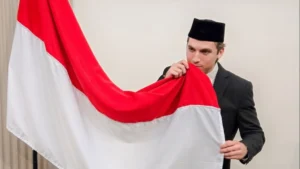
Among the 12 overseas-based players called up by Herdman, the inclusion of young forward Luke Vickery generated the most fervent discussions among fans and pundits. Vickery, who currently features for Australian club Macarthur FC, earned his maiden senior team call-up under the English-Canadian tactician, marking a significant milestone in his nascent professional career.
Born in Kailua, Hawaii, United States, on October 25, 2005, Vickery holds Indonesian heritage through his mother. For months, his developmental trajectory had been closely monitored by the PSSI talent identification department. His integration into the senior setup during such a high-stakes tournament highlights Herdman’s philosophy of injecting youthful dynamism and unyielding competitive hunger into the squad.
Vickery’s journey to the national team represents the modern globalization of Indonesian football talent. By scouring international leagues for players with Indonesian lineage, the coaching staff has continually expanded the talent pipeline. Analysts note that while introducing an 20-year-old forward during a championship-focused tournament carries an element of risk, Vickery’s physical attributes, technical grounding from the A-League, and adaptability could provide a potent tactical surprise against unprepared defensive units in the group stage.
Tactical Implications and Expectations for the FIFA ASEAN Cup 2026
The upcoming FIFA ASEAN Cup 2026 holds monumental psychological and strategic importance for Indonesian football. Following years of steady institutional reforms, infrastructural upgrades, and aggressive player acquisition strategies, the national team is no longer viewed merely as an underdog in Southeast Asia. The presence of 12 European- and Western-trained professionals elevates the baseline expectations of millions of supporters.
Football analysts have pointed out that Herdman’s primary challenge will not lie in individual player quality, but rather in rapid cohesion. With players arriving from diverse footballing cultures—ranging from the high-intensity Dutch Eredivisie and English leagues to the A-League and MLS-adjacent setups—forging a unified tactical identity within a severely compressed pre-tournament window requires elite man-management.
Furthermore, the depth of the 23-man squad mitigates the physical toll typically associated with intense regional tournaments. With matches scheduled in rapid succession, the ability to rotate players without experiencing a drop in technical proficiency gives Indonesia a distinct advantage over regional rivals who rely heavily on domestic-only talent pools.
Domestic Aftershocks: Komdis PSSI Hammers Persija Jakarta with Severe Sanctions
While the national team preparations captivated optimists, the domestic front brought disciplinary turbulence. Following a high-profile, fiercely contested BRI Super League 2026/2027 fixture between arch-rivals Persija Jakarta and Persib Bandung at the iconic Gelora Bung Karno Stadium in Jakarta on Saturday, September 12, 2026, the PSSI Disciplinary Committee (Komdis) issued a stern regulatory ruling against the capital club.
According to official disciplinary letters released in the wake of the match, the Match Organizing Committee (Panpel) of Persija Jakarta was found guilty of severe security and administrative breaches. Consequently, Komdis PSSI levied a heavy financial penalty alongside a stringent competitive restriction: Persija has been formally barred from hosting its next two home matches within a vast geographic radius encompassing DKI Jakarta, Banten, and West Java. Additionally, the club was slapped with a cash fine of Rp40 million.
The ruling deals a severe blow to Persija Jakarta’s sporting momentum and financial stability during a critical juncture of the domestic season. Playing home fixtures outside their traditional stronghold not only deprives the Macan Kemayoran of their vital home-crowd advantage—commonly known as the 12th player—but also imposes logistical nightmares regarding stadium rentals, security arrangements, and ticket revenue losses.
Background and Context of the Persija-Persib Rivalry Fallout
The fixture between Persija Jakarta and Persib Bandung, historically known as El Clasico Indonesia, remains the most emotionally charged and high-risk match in the domestic football calendar. Encounters between these two historic clubs routinely draw tens of thousands of passionate supporters, creating an electrifying atmosphere that frequently pushes stadium security infrastructure to its absolute limits.
In recent years, the PSSI and league operators have maintained a zero-tolerance policy regarding safety infractions, pitch invasions, pyrotechnic usage, and crowd control failures. The decision by Komdis PSSI to ban Persija from hosting matches across three major neighboring provinces—DKI Jakarta, Banten, and West Java—signals an unprecedented level of punitive severity aimed at forcing club managements to exercise stricter operational control over fan organizations and matchday protocols.
Football governance experts have observed that while such sanctions may seem draconian to affected club loyalists, they are vital for maintaining international compliance standards, particularly as Indonesian football seeks to burnish its global reputation following past structural tragedies. Clubs are increasingly being held strictly liable for spectator conduct, transforming matchday management into a high-stakes administrative burden.
Broader Economic and Athletic Repercussions for Persija
The immediate aftermath of the Komdis PSSI ruling forces Persija’s management into urgent logistical maneuvers. Finding neutral venues that meet league broadcasting and safety standards outside the prohibited zones of Jakarta, Banten, and West Java will require extensive negotiations with regional stadium operators, potentially forcing the club to play in distant provinces.
Athletically, the absence of a true home ground for two consecutive matches threatens to derail Persija’s campaign in the upper echelons of the BRI Super League standings. Head coach and players will need to display immense mental resilience to overcome hostile or neutral environments while missing the psychological lift provided by their loyal The Jakmania base.
Simultaneously, the concurrent success of Persib Bandung—who have been making waves both domestically and internationally in the AFC Champions League Two (ACL Two)—creates a stark contrast in fortunes between the two historic rivals. While Persib enjoys positive momentum across multiple fronts, Persija must navigate a period of internal consolidation and disciplinary rehabilitation.
Conclusion: A Pivotal Week for Indonesian Football
The juxtaposition of national team elation and domestic disciplinary crisis encapsulates the multifaceted reality of modern Indonesian football. As John Herdman and his 23-man squad—bolstered by overseas stars like Kevin Diks, Thom Haye, and debutant Luke Vickery—gear up for the arduous challenges of the FIFA ASEAN Cup 2026, the domestic leagues continue to grapple with the growing pains of professionalization, security enforcement, and regulatory compliance.
Stakeholders across the football ecosystem will undoubtedly monitor both fronts closely in the coming weeks. Whether the Garuda can translate their impressive paper roster into regional silverware in late September, and how Persija Jakarta manages its stadium exile, will dictate the primary narrative arcs of Indonesian sports media as the final quarter of 2026 unfolds.