Socio Today
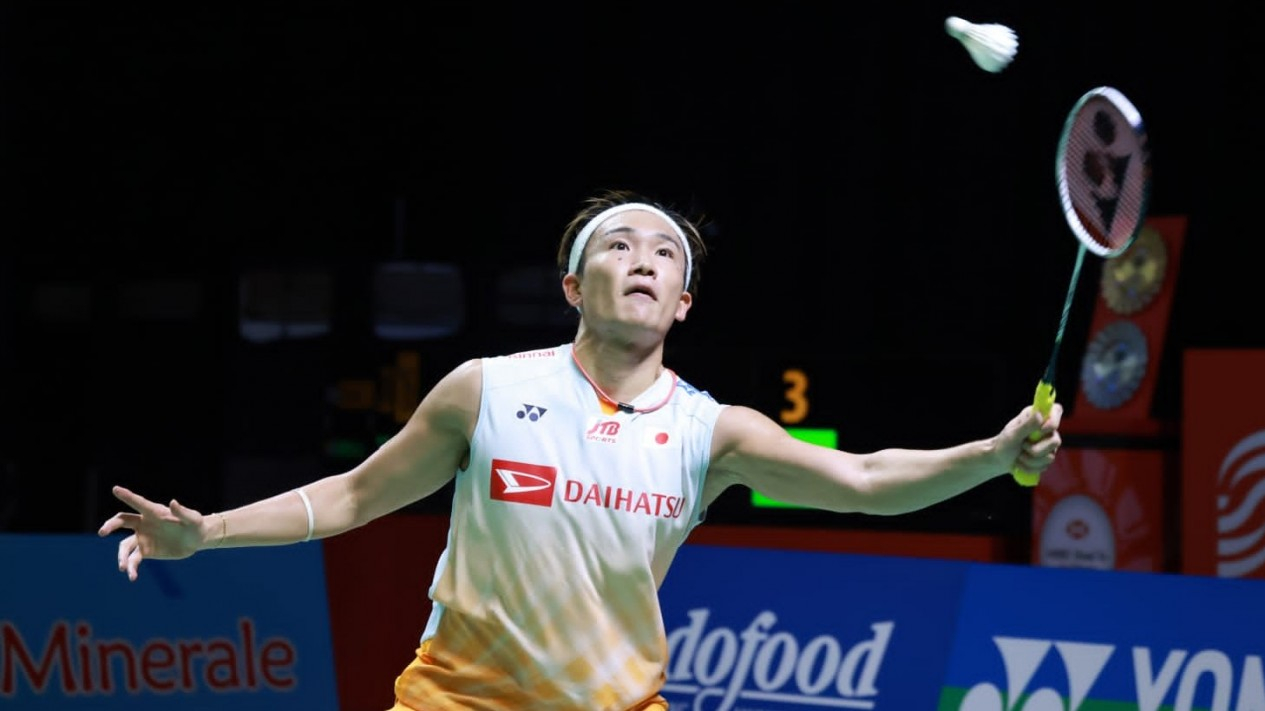
The Indonesian men’s singles badminton team has concluded a high-intensity training camp in Tokyo, Japan, securing a significant psychological and technical advantage ahead of the 2026 Asian Games in Aichi-Nagoya. In a rare display of international goodwill and athletic mentorship, the Indonesian contingent—led by star player Jonatan Christie—participated in joint training sessions with Japanese badminton icon Kento Momota. This collaboration provided the Indonesian squad with firsthand exposure to the strategic depth and defensive precision that once cemented Momota as the undisputed world number one.
The training sessions, held in the heart of Tokyo, served as the final technical tuning for the Indonesian team before their transition to the athlete village in Nagoya. As the countdown to the 2026 Asian Games accelerates, the integration of insights from a player of Momota’s caliber is viewed by analysts as a calculated move to bolster Indonesia’s chances of securing a podium finish in a notoriously competitive field.
A Masterclass in Court Craft
The collaboration was not merely a series of exhibition rallies; it was an immersive coaching experience. Kento Momota, whose career is defined by his extraordinary court coverage and tactical patience, provided granular feedback to the Indonesian players. For young talents such as Alwi Farhan and Moh Zaki Ubaidillah, the opportunity to receive direct critique from a player who previously held the BWF World Championship title was described as a career-defining moment.
Alwi Farhan, reflecting on the experience, noted the palpable intensity that the Japanese legend brings to the court. "Understanding the level of superiority Kento Momota displayed during his prime makes sharing the court with him an absolute honor. It is an experience that will stay with me throughout my professional journey," Farhan stated.
The sentiment was echoed by Moh Zaki Ubaidillah, who highlighted the practical application of Momota’s advice. According to Ubaidillah, the session transcended standard practice, as Momota spent time dissecting specific defensive maneuvers and transition play, offering adjustments that are expected to be implemented during the upcoming tournament matches in Ichinomiya.
Contextualizing the Asian Games 2026
The 2026 Asian Games in Aichi-Nagoya represent one of the most anticipated events in the global sporting calendar. Following the disruption and shifting landscapes of international multi-sport events in recent years, the Aichi-Nagoya Games are positioned to be a benchmark for regional cooperation and athletic excellence.
Badminton, a sport that holds significant cultural and competitive weight in Asia, will see its matches hosted at the Ichinomiya City Municipal Gymnasium. The schedule for the sport is rigorous, beginning with the team events from September 20 to 24, followed immediately by the individual categories running from September 25 to 29.
Indonesia has long been a powerhouse in world badminton, and the pressure to maintain this status at the Asian Games is immense. The current squad—comprising Jonatan Christie, Alwi Farhan, Moh Zaki Ubaidillah, and Muhamad Yusuf—represents a blend of established veteran leadership and emerging talent. By selecting Tokyo as the final base for preparation, the Indonesian Badminton Association (PBSI) has signaled a commitment to adapting to the specific environmental conditions and court speed of the Japanese venues.
Tactical Implications and Strategic Preparation
The inclusion of Kento Momota in the training regime is not a random occurrence but a strategic decision to prepare for the specific playing style prevalent in the East Asian circuit. Japanese badminton is characterized by high-volume defensive play, extreme endurance, and the ability to turn defense into offense with rapid counter-attacks.
By training against the person who defined this style for years, the Indonesian team is essentially "stress-testing" their offensive strategies. If Jonatan Christie and his teammates can consistently penetrate the defensive schemes suggested or demonstrated by Momota, they will be significantly better equipped to handle the defensive stalwarts they are likely to face from Japan, China, and South Korea during the team events.
Furthermore, the timing of this training is critical. With the team moving to the official athlete village in Nagoya on Thursday, September 17, the psychological boost provided by these sessions arrives at the perfect moment. It shifts the team’s focus from general preparation to the specific demands of the tournament environment.

The Road to Nagoya: Chronology of Events
The journey for the Indonesian team has been carefully mapped out to ensure peak physical and mental readiness:
- Early September 2026: Commencement of the final pre-Games training camp in Tokyo, focusing on endurance and acclimatization.
- September 16, 2026: Intensive joint training sessions with Kento Momota, focusing on technical evaluation and tactical refinement.
- September 17, 2026: The Indonesian team departs Tokyo for Nagoya, marking the transition to the official competition phase.
- September 18-19, 2026: Final acclimation and registration within the athlete village.
- September 20, 2026: Opening of the badminton team event at the Ichinomiya City Municipal Gymnasium.
- September 25, 2026: Commencement of the individual badminton event.
Broader Impact on Indonesian Badminton
The mentorship from Momota underscores a trend in modern sports where knowledge exchange between rival nations is becoming more common to elevate the overall quality of the game. For Indonesia, the benefits are twofold. First, the immediate technical improvement of the athletes. Second, the potential for long-term diplomatic and athletic relations with Japanese badminton officials, which could lead to future training opportunities or collaborative research into sports science and injury prevention.
Indonesian sports analysts suggest that the success of the badminton team at the Asian Games could also serve as a barometer for the nation’s overall performance in the multi-sport event. Badminton is traditionally one of the primary gold-medal sources for the Indonesian contingent. Ensuring that the men’s singles squad is firing on all cylinders is therefore a top priority for the national sports authorities.
Official Expectations and Public Sentiment
While the public anticipation for the tournament is high, the coaching staff remains focused on the methodical approach. The inclusion of younger players like Ubed and Alwi in the high-stakes environment of a pre-Asian Games camp indicates a forward-looking strategy. The team is not only playing for the current gold medal but is also focused on nurturing the next generation of shuttlers who must be ready to face the world’s elite.
As the team prepares to travel to Nagoya, the atmosphere within the camp is reported to be one of confidence and heightened focus. The "Momota factor" has acted as a catalyst, grounding the players and reminding them of the discipline required to reach the pinnacle of the sport.
Conclusion
As the Indonesian badminton team prepares to enter the Ichinomiya City Municipal Gymnasium, they carry with them the weight of national expectation and the invaluable lessons learned in Tokyo. The preparation period has been thorough, characterized by high-level collaboration and a clear understanding of the challenges that lie ahead. Whether this tactical edge will translate into gold medals remains to be seen, but the Indonesian squad enters the Asian Games 2026 with a level of technical depth and tactical clarity that has been significantly enhanced by their time with one of the greatest defensive players to ever grace the court. The coming week will be the ultimate test of their resolve, skill, and the effectiveness of their final preparations in the Land of the Rising Sun.