Socio Today
The fuel distribution network in West Kalimantan is currently undergoing a significant logistical transition as PT Pertamina Patra Niaga activates emergency contingency plans in response to the severe shallowing of the Kapuas River. Sustained periods of low rainfall, exacerbated by climate anomalies, have led to a critical drop in water levels, rendering traditional river-based fuel transportation routes impassable for conventional tankers. This disruption has primarily impacted the supply chain to the Sanggau and Sintang Fuel Terminals, two vital hubs that rely heavily on the Kapuas River for the delivery of refined petroleum products.
The Geography of the Crisis: Navigating the Kapuas River
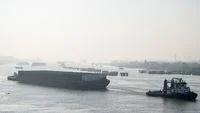
The Kapuas River serves as the primary artery for fuel logistics in the interior regions of West Kalimantan. For years, Pertamina has utilized this natural waterway to move fuel from its coastal terminals to inland distribution points via barges and shallow-draft tankers. However, the river’s morphology is highly sensitive to seasonal fluctuations. When water levels recede—a phenomenon frequently tied to El Niño cycles—the draft required for fuel tankers exceeds the actual depth of the river, leading to dangerous grounding incidents.
The recent reports of tankers running aground in the Sanggau and Sintang sectors have signaled a systemic vulnerability in the regional energy supply chain. These terminals act as the final staging grounds before fuel is transported to local gas stations (SPBU). When these terminals experience inventory shortages, the downstream effect is felt immediately by the local populace, who depend on these supplies for transportation, power generation, and agricultural activities.
Chronology of the Logistical Disruption
The situation began to deteriorate significantly during the first quarter of 2026. By mid-February 2026, officials from the Downstream Oil and Gas Regulatory Agency (BPH Migas) identified the growing risk to energy security.
- Mid-February 2026: BPH Migas officials, led by Committee Member Fathul Nugroho, conducted an inspection at the Integrated Terminal (IT) in Pontianak. During this assessment, it was confirmed that the water levels in the Kapuas had reached a critical threshold, effectively isolating inland terminals from standard replenishment schedules.
- Late February to March 2026: As the drought persisted, Pertamina Patra Niaga initiated discussions regarding the feasibility of land-based alternatives.
- September 2026: In a formal briefing in Cilacap, Corporate Secretary Roberth MV Dumatubun officially categorized the situation as a force majeure. This classification acknowledges that the environmental conditions are beyond the company’s direct control, necessitating a shift from standard operating procedures to an emergency contingency framework.
The Contingency Framework: From Water to Road
In response to the drying riverbeds, Pertamina Patra Niaga has pivoted toward a "multi-modal" distribution strategy. The core of this strategy involves transitioning from river-based transport to long-haul trucking.
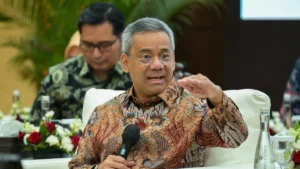
"This is a classic case of force majeure," explained Roberth MV Dumatubun. "When the river, which serves as our primary logistical highway, becomes too dry for navigation, we have no choice but to activate our contingency plan."
The operational trade-offs are significant. River transport allows for the movement of large volumes of fuel in a single voyage. In contrast, land-based transportation via tanker trucks is constrained by the capacity of local road infrastructure, the time-consuming nature of road travel, and the mechanical limitations of the fleet. A journey that might take 24 hours via the river now potentially stretches across multiple days depending on road conditions and the distance from the nearest accessible port. Despite these logistical hurdles, Pertamina has reaffirmed its commitment to ensuring that the fuel reaches the end-user, prioritizing essential sectors such as public transportation and emergency services.
Innovative Solutions: Floating Barges and Jetty Adjustments
Beyond the shift to road transportation, Pertamina is exploring engineering solutions to mitigate the impact of the low water levels. One of the most promising options currently under evaluation is the use of floating barges (floating jetty systems).
Under this model, the company would deploy specialized, shallow-draft barges to act as floating docks. These units allow for the transfer of fuel directly from larger vessels to smaller tanker trucks at points where the river depth is still sufficient for navigation, but where permanent jetty infrastructure is rendered useless by the receding water. This agile approach minimizes the need for massive dredging operations, which are both time-intensive and environmentally disruptive, while maintaining a consistent flow of supply to the Sanggau and Sintang terminals.
Socio-Economic Implications and Market Integrity
The disruption in West Kalimantan highlights a broader vulnerability within Indonesia’s regional energy infrastructure. As climate change continues to alter traditional weather patterns, the reliance on inland waterways for critical supply chains is becoming an increasingly high-risk strategy.
There is also a mounting concern regarding market behavior during times of scarcity. Reports have surfaced suggesting that some entities are attempting to capitalize on the supply bottlenecks. Pertamina has issued a stern warning against the practice of "panic buying" or hoarding, where individuals purchase fuel at subsidized prices only to resell it at significantly inflated rates during the shortage.
"We urge the public to use fuel wisely and hematologically," said Dumatubun. "We are facing a difficult environmental situation caused by El Niño, and we are working tirelessly to ensure energy security. It is highly regrettable that some parties would seek to exploit this crisis for personal gain at the expense of their neighbors."
BPH Migas has committed to providing oversight of the distribution process, ensuring that the emergency supply schemes are implemented with transparency. The agency is also coordinating with local government authorities to ensure that public order is maintained at gas stations, preventing the formation of long queues and the potential for black-market activity.
Future-Proofing Energy Logistics
The current situation serves as a vital case study for the energy sector. Analysts suggest that the reliance on the Kapuas River requires a permanent re-evaluation of long-term logistical investments.
- Infrastructure Diversification: Increasing the capacity and reach of road-based fuel infrastructure to provide a viable redundancy during drought cycles.
- Strategic Stockpiling: Enhancing the storage capacity of inland terminals to hold larger buffer stocks, allowing the region to weather short-term supply disruptions without immediate impact on consumer prices.
- Climate-Adaptive Planning: Incorporating long-term climate modeling into logistical planning to anticipate periods of low river flow before they become critical.
As of September 2026, the situation remains fluid. Pertamina Patra Niaga’s teams are working in 24-hour shifts to coordinate the movement of tanker fleets across the province. While the logistical burden is heavier and more costly than during normal conditions, the company maintains that the energy supply for West Kalimantan is secure.
The cooperation between regulatory bodies, regional governments, and the state-owned energy provider remains the backbone of the response effort. By shifting the burden from the drying riverbeds to the road network and implementing creative technical solutions like floating jetties, Pertamina aims to bridge the gap until the seasonal rainfall returns to normalize the water levels of the Kapuas River.
Ultimately, the events in West Kalimantan represent the intersection of environmental reality and industrial logistics. As the nation continues to navigate the complexities of climate variability, the lessons learned from the 2026 drought will likely influence future policies on energy distribution, infrastructure investment, and the protection of consumer interests in Indonesia’s interior provinces. For now, the priority remains clear: maintaining the flow of fuel to the citizens of West Kalimantan, regardless of the logistical challenges posed by the environment.