Socio Today
The geopolitical stability of the Middle East faces a precarious new chapter following a significant escalation in hostilities between Houthi rebels based in Yemen and the Kingdom of Saudi Arabia. On Saturday, September 19, 2026, the silence of the early morning in Riyadh was shattered by a series of explosions, marking the first time the Saudi capital has been directly targeted since the intensification of the conflict this past July. The incident, which prompted immediate emergency protocols, signals a dangerous expansion of the theater of war, moving beyond border skirmishes and into the heart of the Saudi administrative and economic center.
Chronology of the Saturday Morning Incident
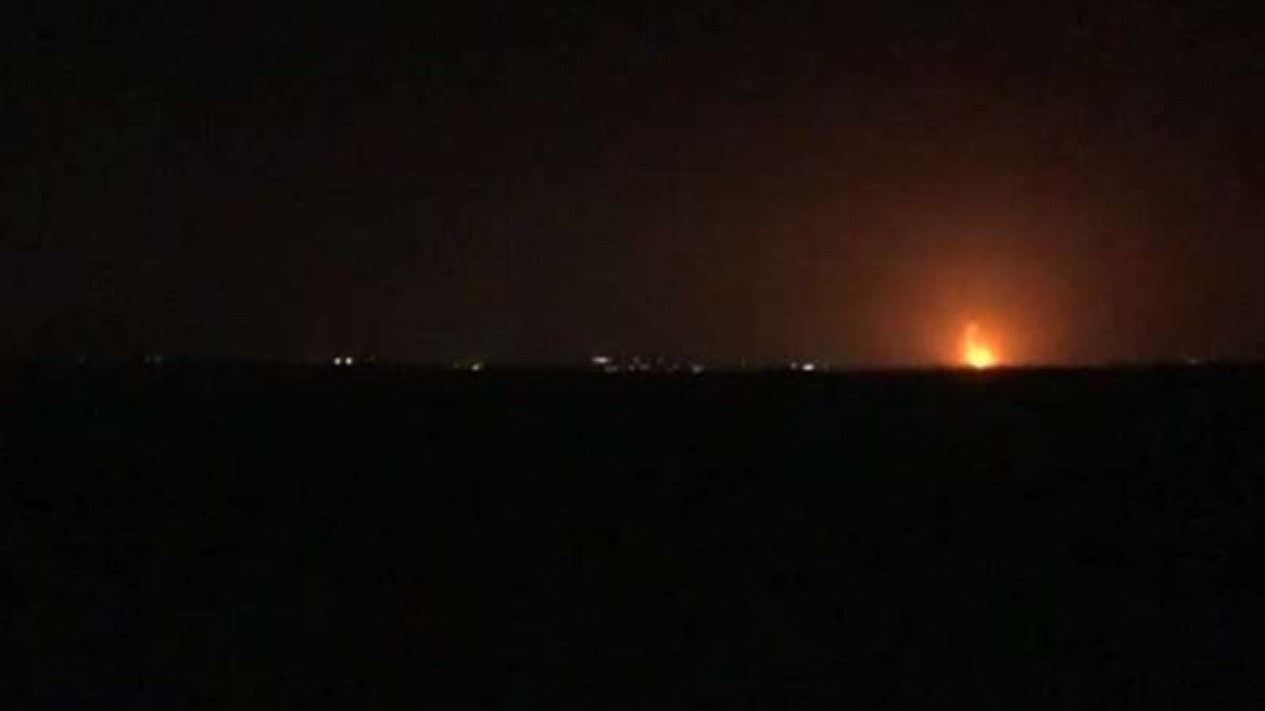
At approximately 03:00 local time on Saturday, residents across Riyadh were startled by urgent mobile alerts issued by Saudi civil defense authorities. The notification warned that the city was under an imminent threat of an aerial attack, instructing all citizens to remain indoors and follow safety procedures. The psychological impact of these alerts was immediate, as the city braced for an unprecedented security breach.
Shortly after the warning, journalists on the ground, including those from AFP, reported hearing at least two distinct, thunderous explosions echoing through the capital. The atmosphere remained tense for the next 30 minutes until the civil defense body formally lifted the alert. While the Saudi government has yet to release a detailed damage assessment, the fact that the projectiles successfully bypassed outer defense perimeters to reach the vicinity of the capital marks a strategic shift in the conflict’s trajectory.
The Strategic Context of the Houthi Offensive
The recent attack on Riyadh is not an isolated event but rather the culmination of a broader, aggressive campaign launched by the Houthi movement this month. Having consolidated control over a significant portion of Yemen’s most populous regions, the group has turned its focus toward the Red Sea coastline. The primary strategic objective behind this push is the domination of the Bab al-Mandab Strait, a vital maritime chokepoint through which a significant percentage of the world’s global energy and commercial shipping passes daily.
By attempting to seize control of the strait, the Houthis aim to exert leverage over the international community and, more specifically, to enforce a maritime blockade against Saudi Arabia. This maneuver is particularly sensitive given the current state of global energy logistics. With the Strait of Hormuz effectively paralyzed by ongoing regional instability, the Bab al-Mandab Strait has become the primary artery for Saudi oil exports. The Houthi leadership has explicitly declared this route restricted, stating that while international vessels may pass, ships associated with the Saudi state are strictly prohibited.
Economic Implications and Shipping Data
The economic ramifications of this blockade are already manifesting in global shipping data. According to analytics provided by Kpler, a specialized firm in global commodity tracking, there has been a measurable decline in Saudi oil exports transiting through the Bab al-Mandab Strait since July. While five vessels carrying Saudi cargo were recorded passing through the strait in the week leading up to the September 19 attack, the downward trend indicates that shipping companies are increasingly wary of the risks associated with the region.
The closure or even partial restriction of this waterway presents a major headache for global energy markets. With the Strait of Hormuz already compromised, the further restriction of the Bab al-Mandab creates a "bottleneck effect" that could lead to significant volatility in oil prices. Analysts suggest that if the Houthi forces maintain a credible threat to shipping, insurance premiums for vessels traversing the Red Sea will skyrocket, further driving up the cost of commodities and impacting global inflation rates.
Humanitarian Consequences and Displacement
While the focus often remains on the military and economic dimensions of the conflict, the human cost of the renewed hostilities is staggering. According to reports from the United Nations released on Friday, the recent spike in violence has triggered a massive wave of internal displacement. More than 112,000 civilians have been forced to abandon their homes in the last few weeks, seeking refuge in safer pockets of Yemen or attempting to escape the country altogether.
The migration crisis is also spilling over borders. The UN reported that nearly 3,000 individuals have fled across the sea to Djibouti, enduring perilous journeys to escape the crossfire. This mass movement of people is exacerbating an already dire humanitarian situation in Yemen, a country that has been decimated by years of civil war, famine, and economic collapse. International aid agencies have warned that the current level of escalation makes the delivery of humanitarian assistance increasingly difficult, leaving millions of Yemenis in a state of acute vulnerability.
Reciprocal Hostilities and Regional Tensions
The attack on Riyadh comes against a backdrop of mutual accusations of aggression. In the 24 hours preceding the Riyadh explosions, Houthi officials claimed that the Saudi-led coalition had launched 26 separate airstrikes against Houthi-held territories in Yemen. The group framed their attack on the capital as a retaliatory measure, a "necessary response" to what they termed an unprovoked air campaign against their positions.
This tit-for-tat escalation highlights the breakdown of diplomatic channels that had previously attempted to manage the conflict. The Kingdom of Saudi Arabia, which has historically maintained a significant air superiority, now finds itself facing a more technologically capable and emboldened adversary. The ability of the Houthi movement to strike the heart of Riyadh suggests that they have either acquired more sophisticated long-range weaponry or have adapted their tactics to exploit gaps in the Saudi air defense systems.

Analysis of Regional Security Dynamics
From a geopolitical standpoint, the conflict has entered a "high-stakes" phase. For Saudi Arabia, the inability to fully neutralize threats to its capital and its maritime supply lines represents a significant security challenge that could force a reassessment of its military strategy. If the status quo continues, the Kingdom may be forced to dedicate more resources to regional defense, potentially diverting attention from its ambitious domestic economic reform agendas.
Furthermore, the involvement of various regional proxies and the hardening of positions between the Houthis and the Saudi leadership suggest that a peaceful resolution remains distant. The international community, led by the United Nations, is currently facing pressure to mediate, yet the lack of a unified stance among major powers regarding the Yemeni conflict complicates these efforts.
The Road Ahead
As the dust settles in Riyadh, the focus shifts to how the Saudi government will respond to this breach of its sovereign territory. Historical precedents suggest that the Kingdom will likely respond with targeted military action, but the risk of further escalation remains high. If the Houthis continue their strategy of targeting key economic infrastructure, the international community may be forced to intervene more directly to ensure the security of the Red Sea shipping lanes.
For the people of Yemen and the residents of Riyadh alike, the coming weeks promise only uncertainty. As the conflict intensifies, the regional security architecture faces a stress test that could reshape the balance of power in the Middle East. Whether through a return to the negotiating table or a further descent into conventional warfare, the events of September 19, 2026, serve as a stark reminder that the war in Yemen remains one of the most volatile and dangerous conflicts in the modern era. The global economy, already fragile, will be watching the Bab al-Mandab and the skies over Riyadh with increasing anxiety in the days to come.