Socio Today
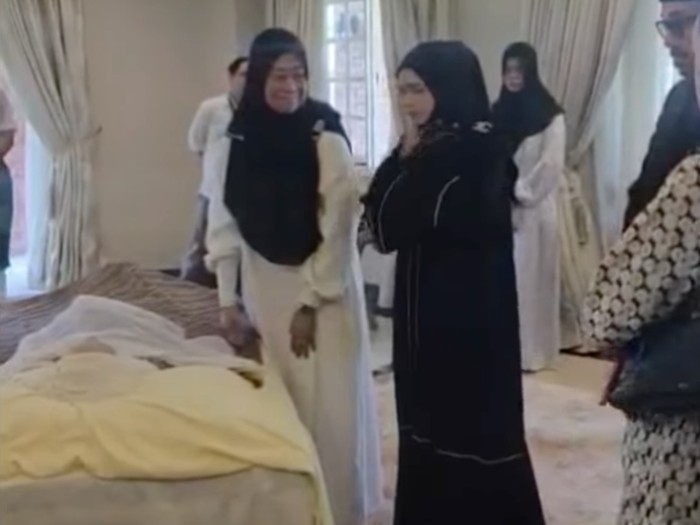
The nation of Malaysia is currently in a state of solemn reflection following the passing of Tun Dr. Siti Hasmah Mohamad Ali, the esteemed wife of former Prime Minister Tun Dr. Mahathir Mohamad. The news of her death at the age of 100 has prompted an outpouring of grief from across the political, social, and cultural spectrums of the country. Among those who have publicly expressed their deep sorrow and paid their final respects is Malaysia’s celebrated music icon, Siti Nurhaliza, who visited the family residence to offer her condolences.
A Legacy of Service and Grace
Tun Dr. Siti Hasmah was widely regarded not merely as the spouse of a long-serving head of state, but as a towering figure in her own right. Born in 1926, she lived through a century of Malaysian history, witnessing the nation’s transition from a British colonial territory to an independent sovereign state. Her career as one of the first Malay women to become a physician in the post-colonial era set a significant precedent for generations of women in medicine.
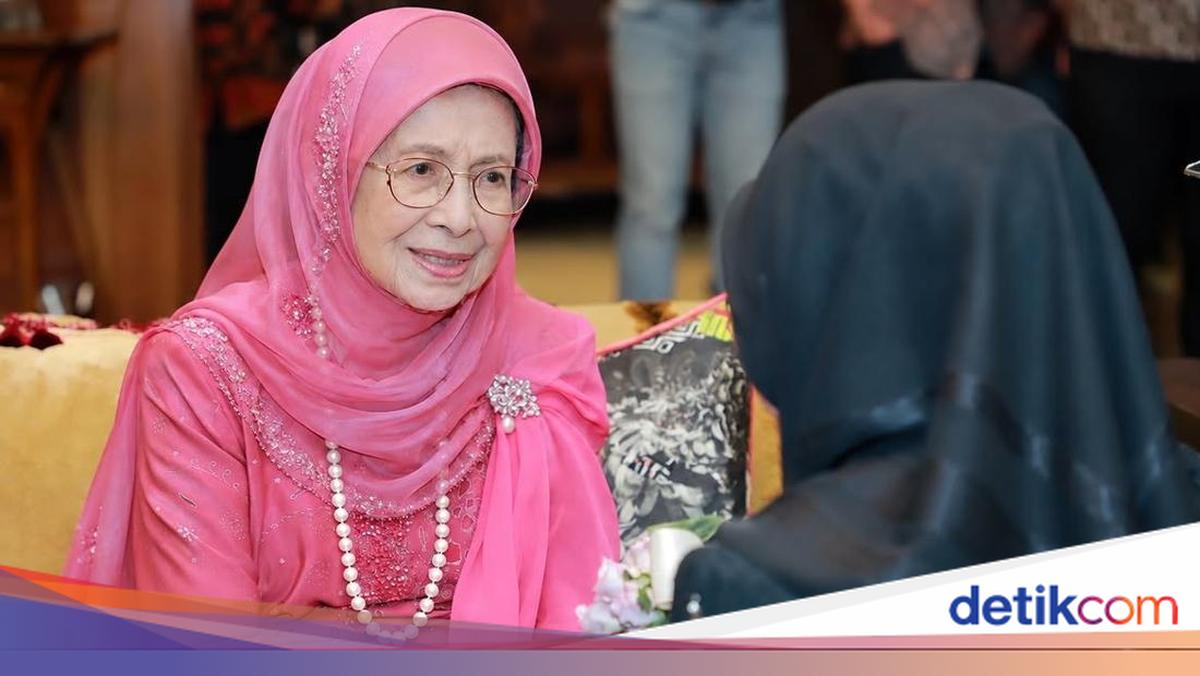
Beyond her professional medical contributions, Dr. Siti Hasmah was a tireless advocate for public health, maternal welfare, and the promotion of family planning. Her work in rural health initiatives during the 1960s and 70s laid the foundation for modern community health outreach in Malaysia. Her calm demeanor, combined with her steadfast support for her husband during his two separate tenures as Prime Minister, earned her the moniker "The First Lady of Malaysia" in the hearts of many, despite the lack of a formal constitutional title for the role.
Siti Nurhaliza’s Emotional Tribute
In an act of profound respect, Malaysian superstar Siti Nurhaliza visited the family home to bid farewell to a woman she frequently described as a personal mentor and a maternal figure. The singer, who has long maintained a close relationship with the Mahathir family, shared her thoughts on social media before attending the memorial.
"I view her passing as a profound loss for all Malaysians," Siti Nurhaliza wrote in her tribute. "The extraordinary contributions made by Tun Dr. Siti Hasmah throughout her life in the fields of public health, social welfare, and the empowerment of women have left an indelible mark on our nation’s history."
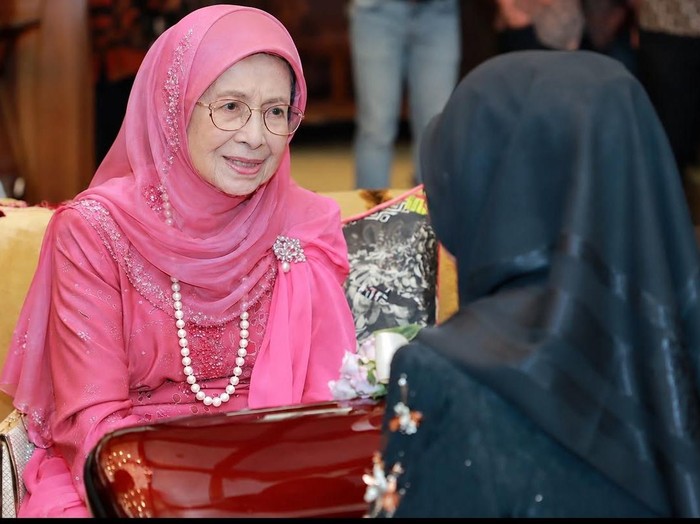
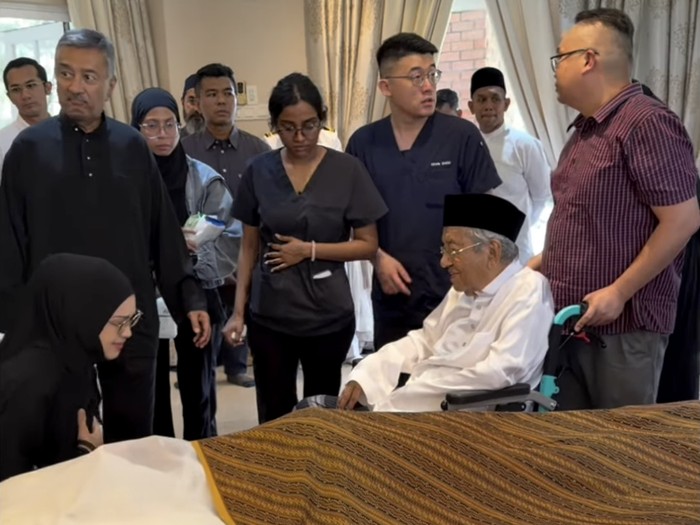
During her visit to the residence, Siti Nurhaliza was seen paying her respects to Tun Dr. Mahathir Mohamad, offering comfort to the former Prime Minister. Her presence at the home underscored the deep personal connection between the nation’s cultural icons and the political figures who shaped modern Malaysia. She remarked on the late doctor’s character, describing her as a woman of immense kindness and gentle spirit, possessing a "sincere maternal soul" that made everyone around her feel cared for and respected.
Chronology of a Life of Service
The life of Tun Dr. Siti Hasmah spans the most transformative years of Malaysia’s development. Born in Klang, Selangor, she pursued her medical degree at the King Edward VII College of Medicine in Singapore, which was then the premier institution for medical training in the region.
- 1926: Born in Klang, Selangor.
- 1955: Graduated as a medical doctor, embarking on a career in government service.
- 1956: Married Mahathir Mohamad, beginning a partnership that would span nearly seven decades.
- 1974: Became actively involved in social organizations, focusing on the welfare of rural women and children.
- 1981–2003: Served as the spouse of the Prime Minister during Dr. Mahathir’s first historic term, where she championed literacy and anti-drug programs.
- 2018–2020: Returned to the public eye during Dr. Mahathir’s second tenure, continuing her humanitarian work despite her advanced age.
- September 2026: Passed away at the age of 100, leaving behind a legacy of resilience and public service.
National Response and Public Sentiment
The passing of Dr. Siti Hasmah has been met with tributes from leaders across the political divide. Current government officials and opposition members alike have set aside political differences to honor her memory. Many have noted that her influence extended far beyond the walls of the Prime Minister’s office; she was a symbol of unity, often seen as a stabilizing presence during times of intense political volatility in Malaysia.
Public sentiment on social media has been overwhelming, with thousands of Malaysians sharing archival photos of Dr. Siti Hasmah interacting with citizens from all walks of life. The consensus among the public is that she represented a "dignified era" of leadership—a time when grace, intellectual contribution, and quiet service were the hallmarks of public life.
The Broader Implications of Her Passing
The death of Tun Dr. Siti Hasmah signifies the end of a pivotal chapter in Malaysian political history. As the partner of the man who led Malaysia through its rapid industrialization in the 1980s and 90s, her life provides a lens through which to view the country’s modernization.
Sociologists note that her influence was critical in shifting the cultural perception of the "political wife" in Malaysia. By maintaining her own medical career and social advocacy agenda, she redefined the expectations of the role, emphasizing personal agency and the importance of individual contribution to the national fabric. Her focus on women’s empowerment was not merely rhetorical; it was rooted in the practical realities of the medical challenges she witnessed while working in the public health sector.
Furthermore, her longevity—reaching the age of 100—has sparked conversations regarding the importance of aging with dignity and the role of the elderly in maintaining social cohesion. In an era often dominated by rapid digital shifts and polarizing rhetoric, her quiet, steady presence served as a reminder of the value of traditional values such as empathy, patience, and lifelong commitment to one’s community.
Final Farewell
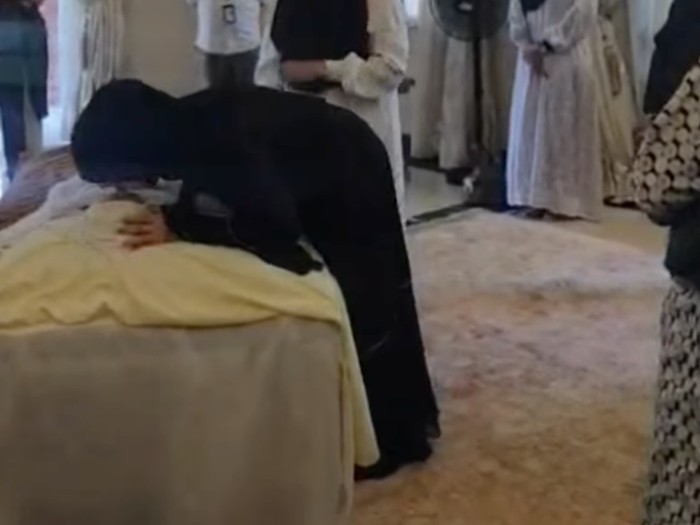
The atmosphere at the residence was one of quiet dignity as dignitaries, family friends, and members of the public gathered to pay their respects. For figures like Siti Nurhaliza, the loss is both national and intensely personal. The image of the singer comforting Dr. Mahathir has become a poignant symbol for a nation grieving a figure who was, for many, a grandmotherly figurehead.
As the funeral arrangements are finalized, the government has signaled that it will honor her service with the appropriate formalities. While the nation mourns, there is a clear sense that the lessons left behind by Dr. Siti Hasmah—particularly regarding the importance of public service and the need for compassion in leadership—will continue to influence the Malaysian discourse for years to come.
The legacy of Tun Dr. Siti Hasmah is not contained in the policies she helped shape or the foundations she supported; it is found in the way she carried herself with grace under the intense pressure of the public eye. As the country moves forward, the memory of her dedication to the health and welfare of the Malaysian people will remain a benchmark for those who follow in her footsteps. Her passing is a reminder of the fragility of life, but also of the profound, lasting impact a single individual can have on the trajectory of a nation.