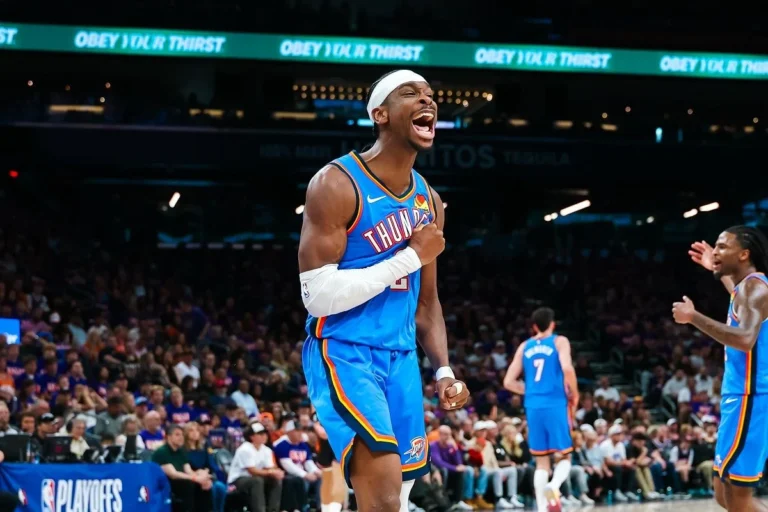
Legendary National Basketball Association center Shaquille O’Neal is internationally recognized not only for his dominance on the basketball court and four championship rings, but also for his larger-than-life personality and penchant for high-value acquisitions. Throughout his storied career and post-retirement ventures, O’Neal has frequently made headlines for his automotive purchases, real estate portfolio, and business acumen. However, one specific anecdote from his tenure with the Los Angeles Lakers stands out as a masterclass in consumer psychology, impulse buying driven by challenged pride, and the unpredictable nature of luxury automotive retail. This particular narrative involves a casual afternoon at a Rolls-Royce dealership, a skeptical salesman, an impulsive acquisition of three ultra-luxury vehicles, and the eventual public auction of a heavily customized 2004 Rolls-Royce Phantom that has recently captured the attention of automotive enthusiasts worldwide.
The Main Facts: From Casual Browsing to a Multi-Million Dollar Spree
The core of the incident centers on a visit O’Neal made to a premier Rolls-Royce dealership during his prime playing years with the Los Angeles Lakers, an era defined by immense wealth accumulation, celebrity status, and high-profile public appearances. Dressed casually in athletic training attire—a stark contrast to the typical clientele frequenting establishments that sell vehicles commanding hundreds of thousands of dollars—O’Neal walked the showroom floor with specific financial boundaries in mind.
Despite his staggering wealth, which included lucrative NBA contracts and massive endorsement deals with brands like Reebok, Pepsi, and Burger King, O’Neal maintained a pragmatic approach to luxury expenditure. As he later recounted, he valued financial intelligence, noting a distinction between spending money judiciously and wasting it frivolously. A price tag of approximately $400,000 for a single automobile represented a threshold he was hesitant to cross casually.
As O’Neal inspected various models, a dealership employee misjudged the potential buyer based entirely on his informal apparel. Each time the sales representative quoted a price for a specific model, the towering athlete reportedly waved his hand in dismissal, signaling a lack of interest at that price point or in that specific configuration. The interaction escalated when the salesman, failing to recognize one of the most recognizable athletes on the planet or underestimating his liquid net worth, directly challenged the customer’s financial capacity.
Sting by the remark and driven by wounded pride, O’Neal made an impulsive executive decision that instantly inverted the dynamic of the interaction. Instead of walking out, he purchased three Rolls-Royce vehicles simultaneously. For the legendary center, it was a supreme display of financial dominance and retribution against poor customer service. For the salesman, it transformed a condescending remark into the commission of a lifetime, successfully closing a triple luxury vehicle transaction on the spot.
Chronology and Timeline of the Asset’s Lifecycle
To fully understand the trajectory of this automotive asset, it is necessary to examine the timeline spanning from its acquisition in the mid-2000s to its recent appearance on the secondary collector market.
The timeline began in the early 2004 production cycle, shortly after BMW revived the Rolls-Royce marque with the introduction of the Phantom VII. This generation marked a renaissance for the British ultra-luxury brand, blending traditional hand-built craftsmanship with modern engineering under BMW’s corporate umbrella. O’Neal acquired his silver Phantom during this initial production phase following the showroom altercation in Southern California.
Because of O’Neal’s unprecedented physical stature—standing at 7 feet 1 inch tall and weighing over 300 pounds during his playing days—standard production vehicles are structurally incompatible with his ergonomics. Consequently, the vehicle underwent specialized modifications immediately following purchase. The most significant alteration involved the driver’s seat configuration, which was custom-engineered to slide significantly further back than factory specifications to accommodate his immense legroom requirements.
O’Neal retained ownership of the customized 2004 Rolls-Royce Phantom for approximately 14 years, an unusually long retention period for high-net-worth individuals who frequently rotate through exotic car collections. Throughout this decade-and-a-half period, the vehicle was driven sparingly. By the time it was consigned for public auction, the odometer registered approximately 45,000 miles, translating to roughly 72,400 kilometers. This equated to an average usage of roughly 3,600 kilometers per year, confirming that while the car was driven rather than left static in a climate-controlled warehouse, its usage remained exceptionally low for a daily-driven luxury sedan.
The culmination of the vehicle’s history with O’Neal occurred when it was consigned to Bring a Trailer, a premier digital auction platform specializing in vintage, collector, and unique modern-classic automobiles. The listing attracted significant media attention due to the celebrity provenance and the humorous backstory involving the overconfident salesman. Ultimately, the customized luxury sedan successfully crossed the auction block, realizing a final sale price of $62,000, or approximately Rp 1.1 billion at prevailing exchange rates.
Detailed Vehicle Specifications and Engineering Overview
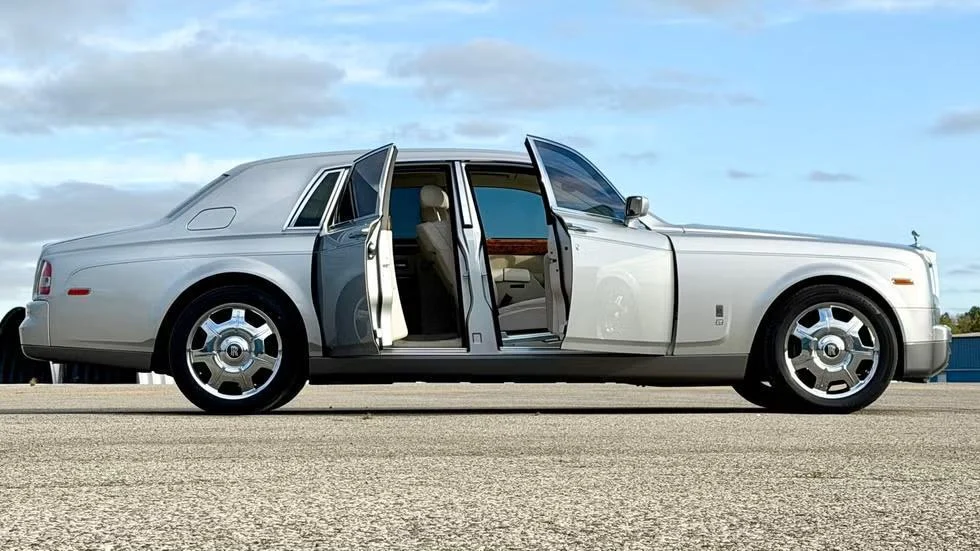
The 2004 Rolls-Royce Phantom associated with this legendary anecdote represents a pinnacle of early 2000s automotive engineering and bespoke luxury manufacturing. Understanding the technical specifications of the asset provides context regarding why such vehicles depreciate drastically despite their astronomical initial acquisition costs.
Underneath the imposing front fascia lies a formidable 6.75-liter V12 engine. This powerplant was engineered specifically for the Phantom to deliver effortless, whisper-quiet acceleration characteristic of the marque’s "magic carpet ride" philosophy. The engine is mated to a six-speed automatic transmission, distributing power seamlessly to the rear wheels. Despite the vehicle’s immense curb weight—exceeding 5,500 pounds—the V12 architecture produces ample torque at low revolutions, allowing the sedan to glide effortlessly across roadways.
Aesthetically, the exterior is finished in a sophisticated silver paint scheme, complemented by a contrast silver upper section that accentuates the vehicle’s long hood and classic proportions. The interior is swathed in light gray premium leather upholstery, maintaining a clean, understated aesthetic that matches the exterior metallic tones.
Notable factory and bespoke features include:
- A traditional glass sunroof providing ambient cabin light.
- The iconic Spirit of Ecstasy hood ornament, equipped with a mechanized retraction mechanism designed to lower the figurine into the grille upon locking the vehicle or in the event of an impact for pedestrian safety.
- Rear-hinged coach doors, commonly referred to as suicide doors, which allow rear passengers to enter and exit the cabin with formal elegance.
- Comprehensive parking sensors integrated into the front and rear bumpers.
- 21-inch silver alloy wheels fitted with self-centering wheel hubs that maintain the upright Rolls-Royce monogram regardless of wheel rotation.
- An advanced automatic air suspension system designed to continuously monitor and adjust damping rates based on road surface conditions, vehicle load, and driving dynamics.
The stark contrast between the original MSRP—estimated near $400,000—and the final auction realization of $62,000 highlights the steep depreciation curves typical of ultra-luxury European flagships. High maintenance costs, complex electronics, and specialized service requirements often deter subsequent buyers, causing pre-owned values to plummet despite the vehicle’s original pedigree and celebrity association.
Broader Impact and Implications for Luxury Retail and Celebrity Culture
The circulating narrative of Shaquille O’Neal’s triple Rolls-Royce purchase transcends a simple celebrity anecdote, offering valuable insights into customer service psychology, brand representation, and the economics of luxury asset depreciation.
In the realm of high-end retail, the incident remains a cautionary tale regarding sales stereotyping. Sales professionals are trained to qualify leads carefully; however, judging a potential buyer’s purchasing power based on casual attire violates fundamental principles of luxury commerce. In major metropolitan markets like Los Angeles, high-net-worth individuals frequently prioritize comfort over formal presentation when running casual errands. The salesman’s failure to recognize O’Neal—or to extend professional courtesy regardless of recognition—highlights the financial risks of complacency and prejudice in high-ticket sales environments.
From an economic perspective, the transaction underscores the unique intersection between celebrity memorabilia and automotive valuation. While standard luxury sedans from 2004 suffer severe market depreciation due to technological obsolescence and expensive upkeep, vehicles with documented celebrity provenance occasionally retain a localized premium. However, as demonstrated by the $62,000 final bid on Bring a Trailer, the sheer weight of mechanical aging, potential maintenance liabilities, and niche customization can ultimately outweigh the historical novelty of a famous initial owner.
Furthermore, the story reflects O’Neal’s broader transition from an active professional athlete building a fortune to a savvy media personality and entrepreneur who understands the value of a compelling narrative. By sharing such anecdotes across media platforms, O’Neal continuously reinforces his public persona: approachable, financially conscious yet capable of monumental displays of extravagance when provoked.
Ultimately, what began as a moment of friction on a Southern California showroom floor has evolved into a celebrated piece of modern automotive folklore. It serves as an enduring reminder that in the world of luxury retail, assumptions can be exceptionally costly, and for a transcendent talent like Shaquille O’Neal, turning a slight into a triple purchase is simply another day in a remarkable life.