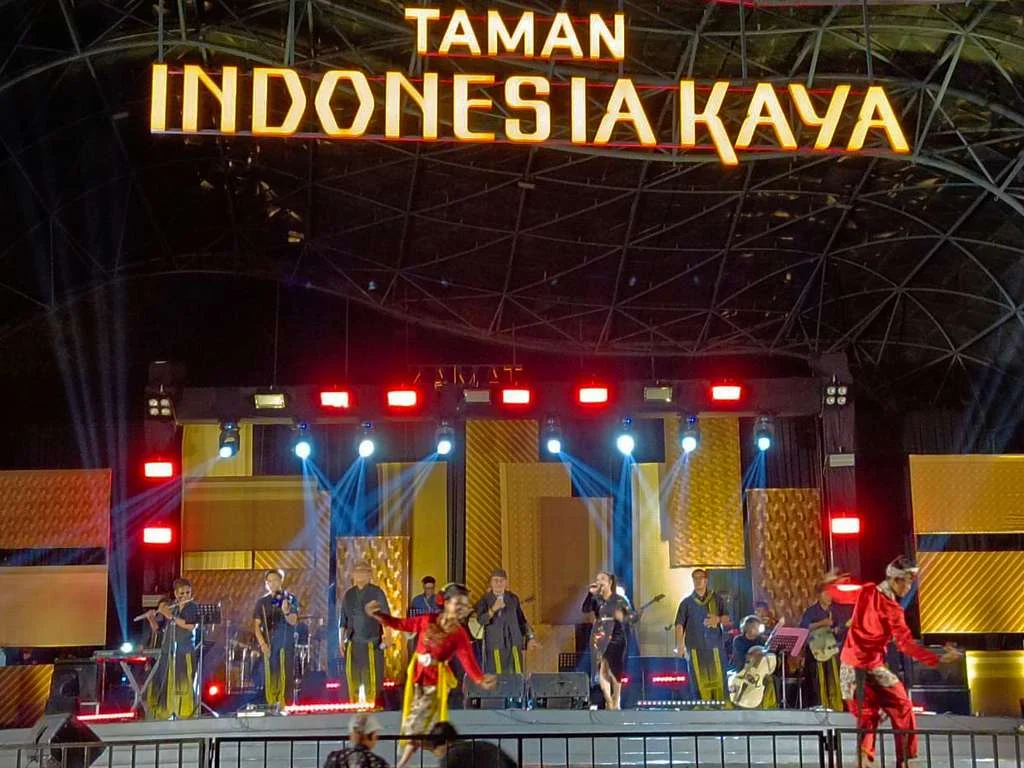
The tranquil evening air of Taman Indonesia Kaya in Semarang was pierced by a resounding chorus of eager voices chanting, “Tony! Tony! Tony!” As the anticipated final act of the opening night, reggae icon Tony Q Rastafara prepared to take the stage, the vibrant atmosphere underscored the unprecedented success of “The Colours of Keroncong.” Running from October 2 to October 4, 2026, the festival formed a cornerstone of the broader “Djalan-Djalan Tempo Doeloe di Taman” cultural initiative. Strategically launched to coincide with National Batik Day on October 2, the three-day celebration offered the public a deeply immersive cultural experience entirely free of charge. Beyond a diverse lineup of musical performances spanning generations and genres, the open-air cultural hub hosted interactive workshops dedicated to traditional jamu brewing, batik assembly, and the intricate Japanese-inspired craft of kinusaiga.
A Crossroads of Tradition and Modernity: Chronology and Event Structure
The festival’s opening night set an ambitious artistic tone, bridging historical preservation with contemporary cross-genre appeal. The musical itinerary featured prominent regional and international acts, ranging from local Semarang middle school keroncong ensembles and Malaysia’s Malayindo Cong Jazz to legendary pioneers like Congrock 17, veteran rock frontman Heydi of PowerSlaves, and reggae visionary Tony Q Rastafara.
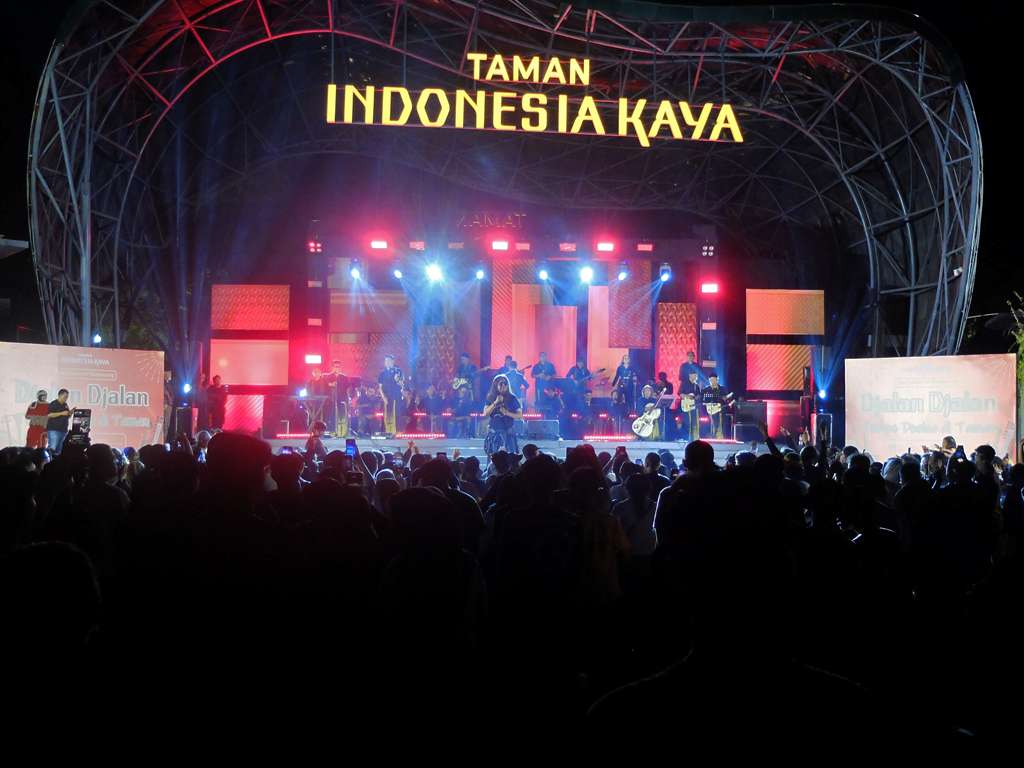
Throughout the subsequent evenings, the stage continued to host a dynamic cross-section of regional talent. Ensembles such as Keroncong Rindu, Sedulur Keroncong, Waroeng Keroncong, Salatiga’s Kawula Alit, and Magelang’s Omah Tumpuk showcased the enduring regional vitality of the genre. The festival culminated in a celebrated performance by renowned keroncong maestro Endah Laras, who graced the final evening alongside her child, Gading Cenol, providing a poignant display of intergenerational artistic transmission.
Congrock 17 and the Birth of Congrockestra
Among the festival’s most anticipated highlights was the performance by Congrock 17, a legendary Semarang-based keroncong institution founded on March 17, 1983. Breaking away from strict historical orthodoxy decades ago, the ensemble has built a lasting reputation by daringly fusing traditional keroncong instrumentation with the driving rhythms of rock music.
Opening their set with a stirring rendition of Chrisye’s iconic national anthem “Negeriku,” accompanied by traditional dancers from local Semarang studios, Congrock 17 demonstrated the timeless adaptability of the genre. Rather than exiting the stage after their four-song set, the group transitioned into a monumental collaborative project alongside Heydi, lead vocalist of the prominent 1990s rock band PowerSlaves, and orchestral arrangements provided by Alfa Bintang. Dubbed “Congrockestra,” this ambitious fusion seamlessly married the melancholic plucking of the ukuleles and cellos characteristic of keroncong with the heavy electric arrangements of rock and the sweeping grandeur of a classical orchestra.

Heydi’s performance served as an emotional anchor for veteran concertgoers and younger attendees alike. Performing classic hits such as “Impian” and “Malam Ini,” the veteran rocker defied his years with an energetic stage presence, descending directly into the audience during the latter track to foster an intimate, communal sing-along. Despite the decades elapsed since their peak commercial era, the lyrics resonated powerfully across generations, illustrating the enduring cultural memory embedded in Indonesian rock history.
The Reggae Phenomenon and Fan Enthusiasm
As the night progressed, the anticipation for Tony Q Rastafara reached its zenith. Greeting the massive crowd with his trademark “Yoman!”, the Semarang-born pioneer of Indonesian reggae launched immediately into his enduring hit “Don’t Worry U… Yeah.” The appeal of the performance transcended conventional genre boundaries, drawing enthusiastic responses even from casual observers.
Demographic data gathered from the audience highlighted the regional drawing power of the festival. Attendees traveled not only from within Semarang proper but also from surrounding regencies and municipalities, including Kendal, Demak, Jepara, Semarang Regency, Ambarawa, and Temanggung. Many fans arrived adorned in subcultural regalia, including flags bearing the likeness of global reggae icon Bob Marley, illustrating the global-local continuum within Indonesia’s alternative music scenes.

The deep connection between the performers and the public manifested in spontaneous displays of audience agency. During an official closing address delivered by a municipal official of Semarang, the crowd interrupted the proceedings by chanting Tony Q Rastafara’s name, demanding an unscripted encore. Demonstrating remarkable flexibility, both the artist and event organizers accommodated the request, delivering a final surprise performance that reignited the collective energy of the park.
Intergenerational Continuity and the Closing Act
The final evening of “The Colours of Keroncong” offered a more intimate yet equally resonant artistic experience. Headlined by Surakarta-born keroncong luminary Endah Laras—attired in a traditional red kebaya and elegant hair bun while wielding her signature ukulele—the program emphasized familial legacy and grassroots community engagement. Collaborating with the Semarang ensemble D’Boegatoe, Endah opened her set with a lively interpretation of “Rujak Uleg,” originally popularized by keroncong legend Waljinah.
The inclusion of her child, Gading Cenol, for performances of traditional numbers such as “Burung Kutjitja” highlighted the festival’s underlying mission: ensuring the transmission of indigenous musical forms to the youth of Indonesia. Although the physical attendance on the final night was slightly lower than the roaring capacity of the opening weekend, the audience’s engagement remained profound. Attendees adapted the space to their personal preferences, with some dancing enthusiastically near the barricades while others sat cross-legged on the lawns toward the rear of the venue.

Urban Implications: Green Spaces as Cultural Hubs
Beyond its immediate artistic triumphs, “The Colours of Keroncong” serves as a case study in modern urban planning and cultural sociology. The successful integration of a multi-day, high-capacity musical festival within Taman Indonesia Kaya demonstrates a paradigm shift in the utilization of municipal public assets. Traditionally conceptualized merely as ecological lungs or recreational parks, urban open-source green spaces in growing metropolitan areas like Semarang are increasingly being leveraged as active incubators for heritage preservation and community cohesion.
By positioning traditional arts—frequently mischaracterized by younger demographics as obsolete or inaccessible—alongside universally recognized popular genres like rock and reggae, municipal cultural planners successfully engineered an inclusive environment. The initiative bypassed traditional socioeconomic and generational barriers, drawing diverse crowds into a shared civic space. As urban centers across Indonesia grapple with rapid modernization and commercialization, the operational model demonstrated at Taman Indonesia Kaya offers a viable framework for balancing urban green development with the active safeguarding of intangible cultural heritage.