Socio Today
The recent excursion of renowned Indonesian actress Wulan Guritno to the archipelago of Nusa Tenggara Timur (NTT) has reignited national discourse regarding the preservation of Indonesia’s pristine natural landscapes. Known for her active engagement in both the entertainment industry and public social advocacy, Guritno documented her journey through the rugged terrains of the region, utilizing her significant digital platform to emphasize the urgent necessity of sustainable tourism and environmental stewardship. Her visit to iconic landmarks such as Pulau Padar and the hidden natural wonder of Gua Rangko serves as a contemporary case study on how public figures can influence travel behavior and environmental consciousness in the post-pandemic era.
Chronology of the Expedition
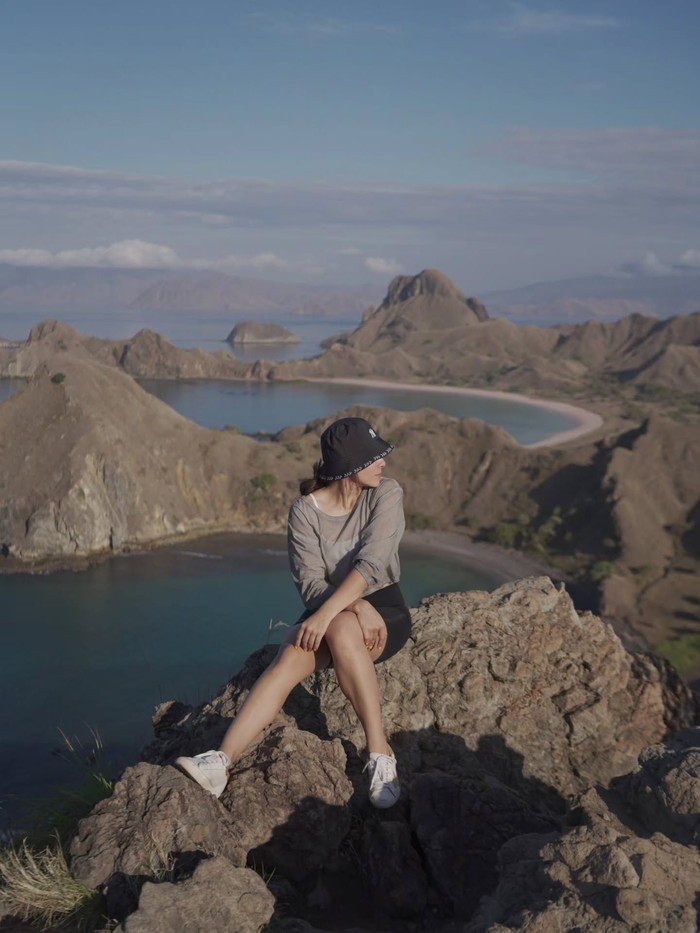
Guritno’s journey, which concluded in mid-September 2026, was characterized by a focus on the ecological diversity of the Lesser Sunda Islands. On September 16, 2026, social media updates provided a window into her itinerary. The expedition began with an ascent of Pulau Padar, a highlight of the Komodo National Park, famous for its tripartite bays and dramatic panoramic vistas. In her digital reflections, captioned with the inviting phrase, "Come with me… And you’ll see," she highlighted the visual splendor that has made the region a priority destination for global travelers.
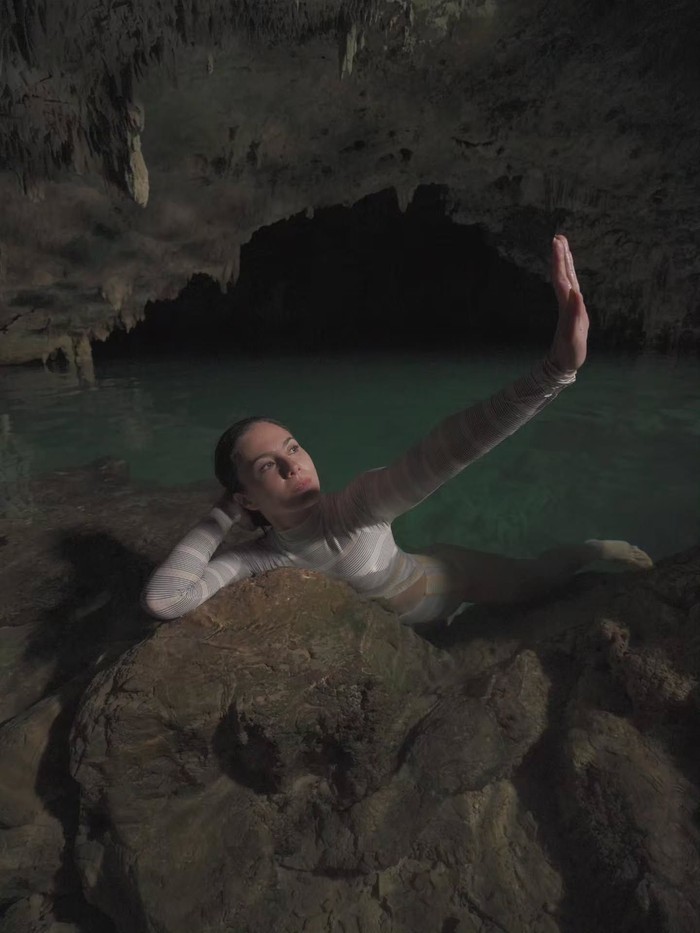
Following the terrestrial exploration of the park, the itinerary moved toward the coastal treasures of the Flores mainland. The second phase of her trip featured a visit to Gua Rangko, a subterranean salt-water pool located near Labuan Bajo. This site, known for its crystalline, turquoise waters and dramatic limestone formations, represents a delicate ecosystem that requires strict management to prevent degradation from high-volume tourism. By sharing these experiences, Guritno highlighted the geographical variety that NTT offers, moving beyond the traditional wildlife-centric tourism typically associated with the Komodo dragons.

Contextualizing NTT Tourism Growth
The surge in interest toward NTT, particularly the Labuan Bajo corridor, is not a recent phenomenon but a result of a decade-long strategic effort by the Indonesian government to designate the area as one of the nation’s "10 New Balis." According to the Ministry of Tourism and Creative Economy, NTT has experienced a steady increase in tourist arrivals since 2015, with infrastructure improvements—including the expansion of Komodo Airport—facilitating this growth.
However, this rapid development has brought significant pressure to the region’s biodiversity. Data from environmental agencies suggest that fragile ecosystems, such as those found within the Komodo National Park, are highly susceptible to anthropogenic impacts, including waste accumulation, light pollution, and the disruption of endemic species’ habitats. Guritno’s call to action, "Indahnya alam Indonesia, dijaga yuk" (The beauty of Indonesia’s nature, let’s protect it), arrives at a juncture where the Indonesian government is balancing the economic benefits of high-end, luxury-focused tourism against the ecological carrying capacity of the region.
The Intersection of Influencer Culture and Conservation
In the digital age, the role of influencers in shaping tourism patterns cannot be understated. Research from the World Tourism Organization (UNWTO) suggests that the visual representation of destinations by public figures significantly alters travel demand. When a figure of Guritno’s stature draws attention to the aesthetic beauty of NTT, it inevitably leads to increased foot traffic.
Experts in sustainable tourism note that there is a dual-sided impact to this phenomenon. On one hand, it boosts the local economy, providing livelihoods for traditional boat operators, hotel staff, and artisanal craftspeople. On the other, the "Instagrammability" of sites like Pulau Padar can lead to overcrowding. The challenge, therefore, lies in transforming the admiration expressed by influencers into tangible conservation behaviors. Guritno’s explicit message regarding the protection of the environment acts as a vital bridge, shifting the narrative from passive consumption of scenery to active responsibility.
Official Stances and Sustainability Mandates
While specific official responses to individual celebrity visits are rare, the Indonesian government has implemented several policy frameworks to address the concerns raised by high-profile visitors. The "Premium Tourism" concept recently adopted for the Komodo National Park—which involves higher entrance fees and limited daily visitor quotas—is designed specifically to mitigate the environmental footprint.
These policies align with the sentiment shared by environmentalists and local residents who have long advocated for a shift toward "quality over quantity." By promoting a message of conservation, Guritno is aligning herself with the current national agenda to transition from mass-market tourism to a model that respects the integrity of Indonesia’s national parks. The government’s ongoing efforts, such as the implementation of integrated waste management systems and the enforcement of no-contact policies with local wildlife, are the practical implementations of the philosophy that Guritno has championed during her visit.
Analyzing the Long-Term Implications
The implications of this visit extend beyond mere social media engagement. As Indonesia moves toward a more climate-conscious future, the tourism industry is undergoing a paradigm shift. The integration of sustainable practices—such as the prohibition of single-use plastics in the Labuan Bajo area and the regulation of maritime traffic to protect coral reefs—is becoming the industry standard.
Guritno’s focus on the delicate beauty of Gua Rangko is particularly pertinent. Cave ecosystems are notoriously fragile, with the limestone formations and water quality being sensitive to human presence. By bringing attention to such sites, she encourages a culture of "responsible tourism," where visitors are expected to adhere to strict guidelines to ensure the preservation of these sites for future generations.
The Economic and Environmental Balance
Economically, the tourism sector in NTT contributes a significant portion to the regional GDP. For communities in East Nusa Tenggara, the preservation of these natural assets is not merely an aesthetic choice but a matter of long-term economic survival. If the environment is degraded, the appeal that draws tourists to the region will dissipate, leading to economic decline.
Therefore, the message delivered by public figures regarding environmental stewardship is a strategic reinforcement of the local government’s efforts to maintain the "brand value" of the destination. When celebrities promote the beauty of the landscape alongside a message of conservation, it reinforces the necessity of compliance among the general public.
Conclusion: A Collective Responsibility
The narrative surrounding Wulan Guritno’s trip to Nusa Tenggara Timur encapsulates the broader challenges and opportunities facing the Indonesian tourism sector. As the nation continues to showcase its natural wonders to the world, the emphasis must remain on the preservation of these assets. The convergence of high-profile advocacy and government-led policy initiatives creates a framework for sustainable growth.
Ultimately, the preservation of Indonesia’s natural heritage is a collective responsibility. Whether through the direct actions of policymakers, the daily efforts of local communities, or the influential voices of public figures like Wulan Guritno, the imperative remains the same: the natural splendor of islands like those in NTT is a finite resource that requires careful management and an unwavering commitment to environmental protection. As the travel industry continues to evolve, the expectation is that the admiration for such landscapes will be matched by a deep-seated commitment to their survival, ensuring that the beauty captured in a photograph today remains intact for the travelers of tomorrow.