PT Sharp Electronics Indonesia has officially introduced two new household rice cooker models, the KS-B18MG and the KS-C18MH, featuring official halal certification to better serve the unique demographic and lifestyle requirements of Indonesian families. Announced on October 27, 2026, these 1.8-liter capacity kitchen appliances combine versatile three-in-one cooking, warming, and steaming functionalities with an accessible price point ranging from Rp280,000 to Rp350,000. This strategic launch represents a notable intersection between modern home appliance manufacturing and consumer religious compliance in the world’s largest Muslim-majority nation, offering households an added layer of confidence when outfitting their kitchens.
The official recognition of these products is backed by documentation issued by the Halal Product Assurance Organizing Agency (Badan Penyelenggara Jaminan Produk Halal, or BPJPH). According to corporate disclosures, the certification for this category of home appliances was officially granted to PT Sharp Electronics Indonesia on May 21, 2026, under the formal registration number ID00410000223481121. By making this compliance transparent, Sharp aims to bridge the gap between industrial manufacturing processes and the everyday consumer values of local households, ensuring that families navigating the halal lifestyle can make fully informed purchasing decisions regarding their kitchen electronics.
Chronology and Regulatory Framework of Halal Home Appliances
The journey toward mainstream halal certification for household goods in Indonesia is deeply rooted in the nation’s evolving regulatory landscape. Under the overarching framework of Halal Product Assurance—pivoted primarily around Law Number 33 of 2014—the mandate for halal compliance has progressively expanded. While initial public and legislative focus centered predominantly on food, beverage, and pharmaceutical products, the regulatory scope also encompasses various categories of goods, including specific use-items and household equipment depending on government regulations, material compositions, and manufacturing processes.
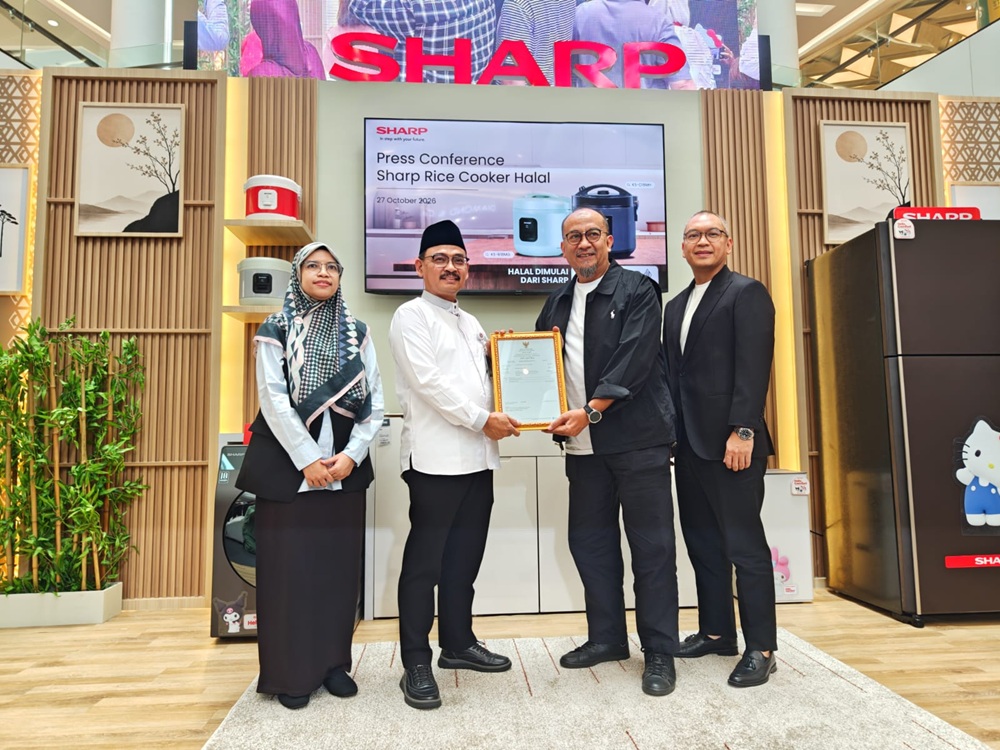
It is important to note that the certification of the KS-B18MG and KS-C18MH models does not imply an immediate blanket requirement for all cooking appliances across the industry to hold identical certifications. Rather, Sharp’s proactive pursuit of this documentation highlights an emerging trend in consumer electronics marketing, where brand differentiation relies heavily on addressing niche consumer awareness. The timeline leading up to the October 2026 public announcement involved meticulous evaluations of material inputs, manufacturing environments, and supply chain integrity to satisfy the rigorous criteria laid out by domestic halal authorities.
Official Statements and Industry Perspectives
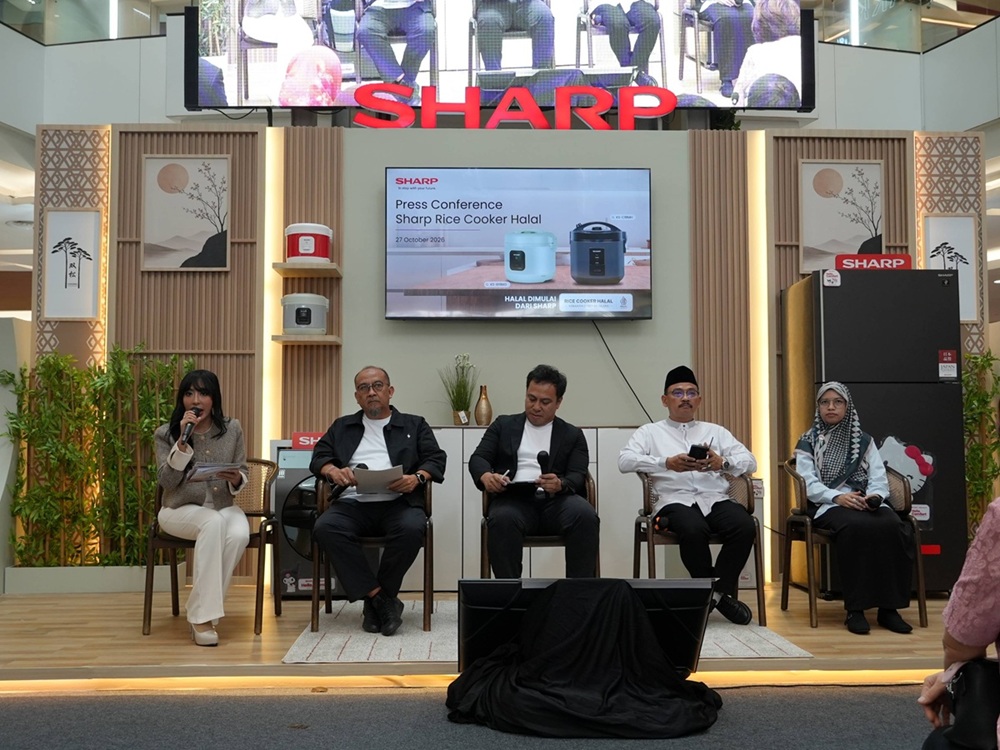
The introduction of these halal-certified appliances has drawn commentary from key corporate and regulatory figures, underscoring the broader significance of transparency in consumer goods.
Andry Adi Utomo, National Sales Senior General Manager at PT Sharp Electronics Indonesia, emphasized that the initiative stems from a deep-rooted desire to understand and adapt to the local market. "We want to present products that are close to the needs of Indonesian families. For consumers who pay attention to halal aspects, clear information is certainly important. Therefore, we view halal certification as part of Sharp’s effort to understand local consumers and give them more suitable choices," stated Utomo during the product introduction.
The perspective of third-party halal auditing bodies adds further depth to the discourse. Nahdya Khairani, M.Sc., General Manager of Corporate Services at LPPOM (the assessment institute for foods, drugs, and cosmetics), noted that rigorous evaluations and testing are essential to support the establishment of halal status according to established guidelines. "SHARP’s initiative to present rice cookers with halal certification is a step that can help broaden public understanding that the halal aspect can also be a consideration in choosing products used daily," Khairani remarked. She further stressed that information regarding certification status must be communicated responsibly so that consumers receive accurate explanations that match official documents and the actual scope of the product.

Echoing these sentiments, Mamat Salamet Burhanudin, Deputy for Halal Registration and Certification at BPJPH, highlighted the absolute necessity of compliance with regulatory provisions during product registration. Burhanudin pointed out that a formal halal certificate serves as an authoritative reference for consumers to verify product status, stressing that business entities must ensure their marketing communications align seamlessly with official certificates and their specified scopes.
Technical Specifications and Functional Capabilities of the Sharp KS-B18MG and KS-C18MH
Beyond their regulatory compliance, both the KS-B18MG and KS-C18MH models are engineered to perform efficiently in dynamic household environments. Designed with a standard 1.8-liter capacity, these appliances cater to small to medium-sized families, easily managing grain volumes sufficient for daily meals alongside supplementary steaming tasks.
Both devices are built with a practical three-in-one mechanism: cooking, keeping food warm, and steaming. To facilitate the latter, Sharp includes a dedicated steaming accessory within the retail package, allowing users to prepare vegetables, dim sum, or other steamed delicacies concurrently or independently. Furthermore, the inclusion of the "Keep Warm" feature is engineered to maintain optimal rice temperatures for up to 24 hours. While actual performance remains subject to ambient room conditions and food storage habits, this feature provides crucial flexibility for households managing staggered meal times.
In terms of energy consumption, both units operate at 400 watts when actively cooking. However, their power draw diverges during the warming phase: the KS-B18MG utilizes 77 watts, whereas the energy-optimized KS-C18MH consumes 45 watts. Structurally, both models feature a 1-millimeter-thick inner pot designed for heat distribution, complemented by standard bundled accessories including a rice scoop, a steaming basket, and a measuring cup to streamline the cooking process right out of the box.
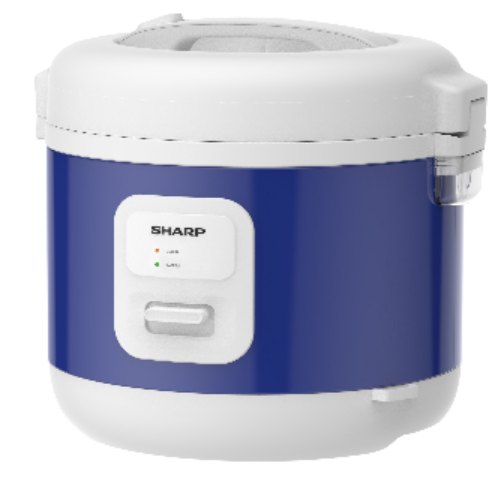
Afka Adhitya, Product Strategy Senior Manager (WM & SHA) at PT Sharp Electronics Indonesia, underscored the balance between practical utility and consumer peace of mind. He revealed that while these two models currently spearhead the initiative, internal processes for certifying additional series within Sharp’s rice cooker portfolio are already underway. While he declined to specify exact future models or a definitive timeline for subsequent rollouts, the ongoing pipeline suggests a broader strategic pivot for the brand.
Market Positioning, Pricing, and Aesthetic Options
To appeal to diverse interior preferences, Sharp has introduced the appliances in a wide array of colorways. The KS-B18MG model is available in four vibrant finishes: Cherry Red (RD), Electric Blue (BL), Coffee Grey (GY), and Green Pastel (GR). Meanwhile, the KS-C18MH is offered in more classic, minimalist tones of Black (BK) and White (WH).
Priced competitively between Rp280,000 and Rp350,000—with slight variations depending on retail channels and promotional periods—the cookers are widely accessible through both offline electronics retail chains and authorized online storefronts across Indonesia. Consumers seeking to verify product authenticity or review comprehensive technical data are directed to consult Sharp Indonesia’s official digital portal at id.sharp.
Analytical Implications of Halal Certification in Home Electronics
The commercial introduction of the KS-B18MG and KS-C18MH models marks a subtle yet significant evolution in how consumer electronics are marketed in Southeast Asia’s largest economy. Historically, non-consumable electronics competed almost entirely on traditional metrics such as energy efficiency, price, durability, and aesthetic design. By integrating verified halal certification into a category as fundamental as kitchen hardware, manufacturers are acknowledging a lifestyle shift where consumers increasingly prefer end-to-end alignment with religious values across all domestic touchpoints—even down to the tools used to prepare daily sustenance.
This trend signals potential ripple effects throughout the home appliance industry. As regulatory bodies like BPJPH continue to streamline enforcement and expand public awareness regarding product classifications, competing local and international manufacturers may feel compelled to audit their own supply chains and seek similar accreditations to retain market share among conscious consumers. For Sharp Electronics Indonesia, this preemptive maneuver not only reinforces corporate compliance with national laws but also positions the brand as a culturally attuned market leader capable of anticipating the nuanced demands of the modern Indonesian consumer household.