The convergence of gastronomy and digital media has reached a new milestone in Tokyo, Japan, where the popular yakiniku chain Yakiniku Like has unveiled a specialized seating area dedicated exclusively to content creation. Located at the Shinjuku Minamiguchi branch, just a short walk from the bustling Shinjuku Station, this initiative—dubbed "Studio Like"—marks a strategic response to the evolving habits of modern diners who prioritize social media documentation alongside their culinary experience. By integrating professional-grade equipment into a dining environment, the establishment aims to cater to the burgeoning demographic of food bloggers, influencers, and mukbang enthusiasts, while simultaneously preserving the privacy of other patrons.
The Evolution of Dining and Digital Integration
The rise of the "Instagrammable" dining culture has fundamentally shifted the operational priorities of the hospitality industry. Over the past decade, social media platforms—particularly Instagram, TikTok, and YouTube—have transformed how consumers select restaurants and interact with their meals. Data from consumer behavior studies suggests that nearly 70% of Gen Z and Millennial diners prioritize the visual appeal and social-sharing potential of a restaurant when making dining decisions.
Yakiniku Like, a brand already renowned for its pioneering "individual yakiniku" concept, has consistently stayed ahead of these trends. The chain was originally conceived to democratize the yakiniku experience, allowing solo diners to enjoy high-quality grilled meats without the social pressure or space requirements of traditional, communal-style yakiniku restaurants. By providing individual electric grills and compact seating, the restaurant effectively removed the "social barrier" of dining alone. The introduction of Studio Like is an extension of this personalized approach, acknowledging that for many, dining is now a performance-based activity.
Chronology and Operational Mechanics of Studio Like
The development of Studio Like represents a shift from passive allowance of photography to active facilitation. Historically, restaurants have had varying policies regarding photography, ranging from total bans to begrudging acceptance. Yakiniku Like has flipped this narrative.
According to reports from Sora News 24, the facility became operational in late October 2026. The implementation followed a period of observing increased customer demand for better lighting and angles to record the grilling process. Recognizing that traditional seating often lacks the necessary lighting or stability for high-quality video production, management retrofitted a specific, semi-private section of the Shinjuku Minamiguchi branch.
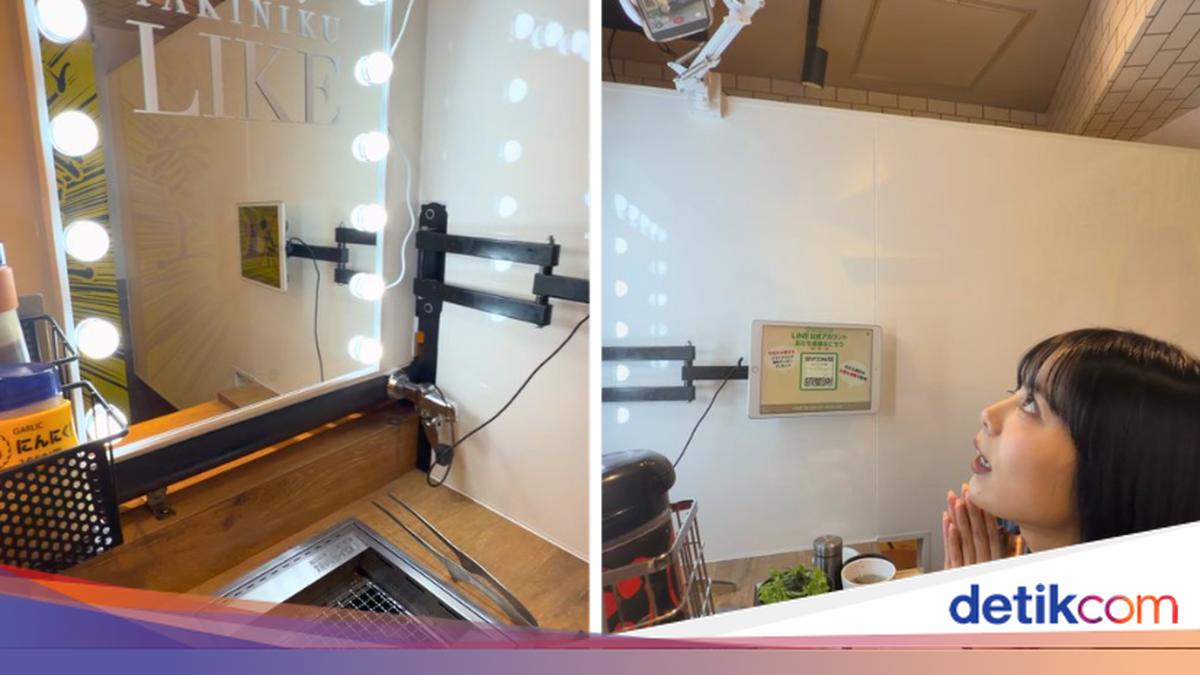
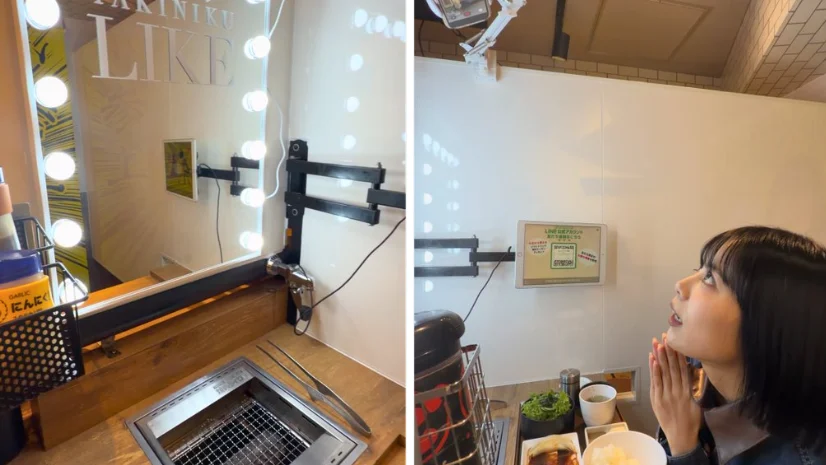
The setup is comprehensive. Each designated seat is equipped with a vanity mirror featuring adjustable LED lighting, allowing users to groom or check their appearance before going live. A stable, high-quality tripod mount is provided, positioned to capture both the individual and the sizzle of the meat on the personal grill. Furthermore, the booth is designed with specific acoustic considerations and aesthetic backdrops to ensure that the resulting content maintains a high production value, effectively turning a simple lunch or dinner into a mini-production studio.
Technical Specifications and Usage Protocols
To ensure that the installation of Studio Like does not disrupt the efficiency-driven workflow of the restaurant, management has implemented a structured booking system. The facility operates daily between 11:00 AM and 9:30 PM.
The usage policy is strictly regulated to manage demand:
- Reservation Requirement: Interested patrons must book their time slot in advance via the official Yakiniku Like Shinjuku Minamiguchi Line account.
- Duration Limits: Each session is capped at 60 minutes. This limitation ensures a high turnover rate, which is critical for a fast-casual dining model, while providing enough time for creators to set up, film, and enjoy their meal.
- Capacity: While designed for individual users, the booths are spacious enough to accommodate two people, facilitating collaborative content creation or dual-host livestreams.
The privacy architecture is perhaps the most critical element of the studio. The booths are shielded by custom-designed walls, ensuring that other customers remain out of the frame. This solves a significant friction point in modern dining: the tension between a content creator attempting to film and other patrons who prefer not to be captured in the background of a stranger’s social media feed.
Broader Economic and Industry Implications
The move by Yakiniku Like is not merely a gimmick; it is a calculated business strategy with clear economic implications. By branding themselves as "content-friendly," the restaurant gains free marketing every time a patron posts a video from the studio. With the average influencer potentially reaching thousands of followers, the return on investment for providing a tripod and better lighting is exceptionally high.
Industry analysts suggest that this model could set a precedent for other fast-casual chains. As restaurants move toward more automated service models—such as digital ordering kiosks and conveyor belt delivery—the "experience" becomes the primary differentiator. If a restaurant provides the infrastructure for content, it gains a competitive edge in the attention economy.
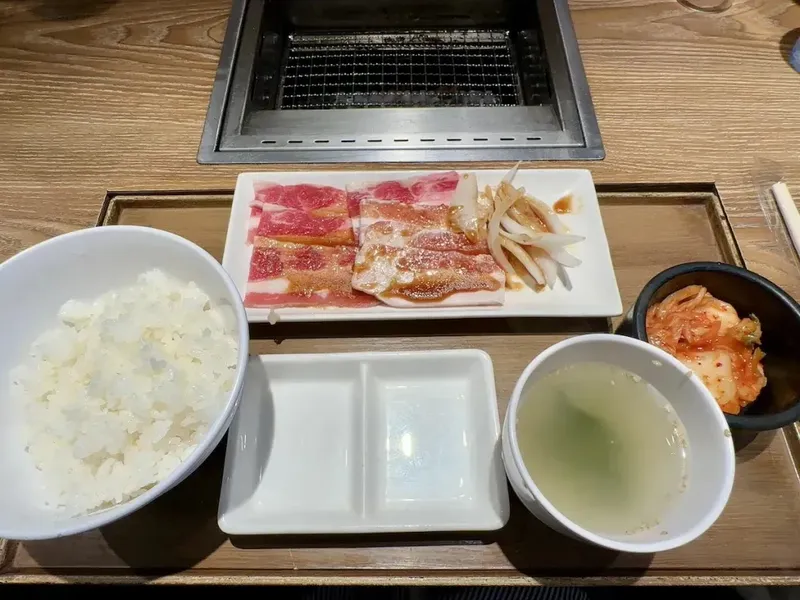
However, there are challenges to this model. Maintaining the equipment, ensuring the cleanliness of the vanity mirrors, and managing the logistics of the booking system require additional labor and oversight. Furthermore, the noise levels associated with live streaming—if not properly moderated—could potentially interfere with the dining experience of others. Yakiniku Like’s success will likely depend on its ability to balance the needs of the creators with the operational efficiency that has made the brand successful globally.
Analysis of the Digital Dining Trend
The phenomenon of "mukbang" (eating broadcast) originated in South Korea but has become a global staple of digital content. It taps into a psychological sense of companionship and sensory satisfaction for the viewer. By providing a dedicated space for this, Yakiniku Like is effectively legitimizing a behavior that was previously considered unconventional in a public dining setting.
From a sociological perspective, the creation of "Studio Like" reflects the blurring lines between public and private space. Diners are no longer just consuming food; they are consuming the act of dining as a social signal. When a restaurant facilitates this, it validates the diner’s identity as a content creator.
Furthermore, the integration of such facilities helps the restaurant control its brand narrative. By providing a controlled, aesthetically pleasing environment, the restaurant ensures that the content produced within its walls represents the brand in a positive light, with optimal lighting and professional framing.
Conclusion and Future Outlook
As the hospitality sector continues to recover and innovate in a post-pandemic landscape, the ability to pivot toward the digital needs of the consumer will be a primary driver of growth. Yakiniku Like’s Shinjuku Minamiguchi branch serves as a pilot program that could eventually see similar "studio" corners rolled out across other locations in Tokyo and potentially internationally.
While critics might argue that this detracts from the traditional, communal enjoyment of food, the success of Yakiniku Like suggests that a large segment of the population is moving toward a more individualized, digital-first dining experience. Whether this trend represents a permanent shift in restaurant architecture or a passing phase of the social media era remains to be seen. However, for now, the marriage of high-quality Japanese beef and high-definition video production seems to be a winning combination for the brand, proving that in the modern era, the best meals are not just eaten—they are shared, streamed, and curated.