For over 1.9 billion Muslims worldwide, the five daily prayers—known as Salah—represent the cornerstone of spiritual life and an essential obligation of the Islamic faith. While primarily observed as an act of submission and devotion to Allah SWT, an increasing body of psychological research and sociological observation suggests that this rhythmic practice functions as a potent mechanism for stress regulation and psychological resilience. In an era defined by rapid urbanization, high-pressure professional environments, and the ubiquity of digital distraction, the prescribed pauses for prayer are increasingly viewed by researchers not merely as religious rituals, but as structural interventions that facilitate mindfulness and emotional regulation.
The Mechanism of Mindfulness in Prayer
The practice of Salah involves a synthesis of physical movement, rhythmic recitation, and internal focus. Unlike meditative practices that emphasize the emptying of the mind, Salah requires an active engagement with specific Quranic passages and supplications, demanding a high degree of cognitive presence. This state of "attentiveness" aligns closely with the modern psychological concept of mindfulness—the practice of focusing one’s awareness on the present moment while calmly acknowledging and accepting one’s feelings, thoughts, and bodily sensations.
Academic interest in this phenomenon has grown significantly over the past decade. A pivotal study, "Mindfulness in Salah Prayer and its Association with Mental Health," published in the Journal of Religion and Health in 2017, provided empirical weight to the anecdotal experiences of practitioners. By surveying 174 participants, researchers observed a statistically significant correlation between consistent, focused prayer and improved scores on standard mental health assessment metrics. While the study stopped short of claiming a direct causal link, it highlighted that the structured nature of prayer allows individuals to decouple from daily stressors, creating a "psychological buffer" that helps in navigating emotional volatility.
Structural Benefits: The Physiology of Routine
The daily schedule of the five prayers—Fajr (dawn), Dhuhr (noon), Asr (afternoon), Maghrib (sunset), and Isha (night)—imposes a natural cadence on the day. From a circadian rhythm perspective, this structure is beneficial. Modern lifestyle diseases, including sleep disorders and anxiety, are often exacerbated by the lack of temporal boundaries in work-life integration. By mandating a pause at specific intervals, the Islamic tradition forces a disengagement from professional stressors.
The World Health Organization (WHO) has long emphasized the efficacy of relaxation techniques in managing anxiety disorders. While Salah is distinct from secular clinical relaxation techniques, it incorporates elements of controlled breathing and meditative posture that stimulate the parasympathetic nervous system. This "rest and digest" state helps lower cortisol levels—the primary hormone associated with chronic stress—thereby mitigating the physiological impact of long-term pressure on the body’s cardiovascular and immune systems.
Emotional Regulation and Cognitive Reframing
One of the most profound impacts of consistent prayer is its role in emotional stability. When individuals encounter crises—be it professional failure, bereavement, or interpersonal conflict—the human brain often enters a "fight or flight" mode, which can lead to impulsive, maladaptive reactions. Salah functions as a cognitive circuit breaker. By requiring a transition into a state of prayer, the practitioner is forced to delay their immediate reaction, allowing the prefrontal cortex—the part of the brain responsible for executive function and emotional regulation—to regain control.
Furthermore, the content of the prayers often involves themes of patience (sabr), gratitude (shukr), and trust in a divine plan. For the believer, these themes provide a cognitive framework for interpreting adversity. Rather than viewing a negative event as an isolated, catastrophic incident, the act of prayer encourages viewing it through a broader spiritual lens, which can significantly reduce the severity of the psychological distress experienced.
The Sociological Dimension: Community and Belonging
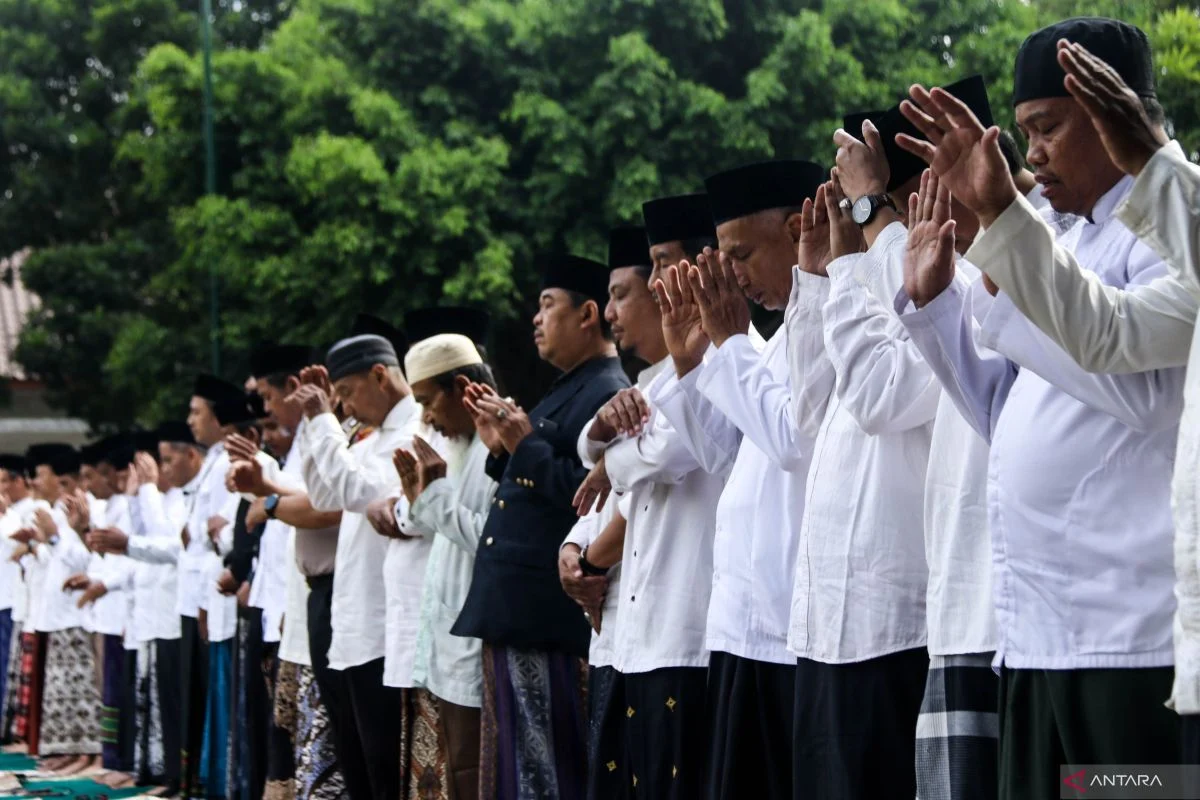
Beyond the individual psychological benefits, the practice of congregational prayer (Salah al-Jama’ah) introduces a critical social dimension. Loneliness and social isolation are identified by the American Psychological Association (APA) as significant risk factors for depression and mortality. By mandating attendance at the mosque for communal worship, Islam facilitates regular social integration.
This interaction serves as a form of "social buffering." The mosque environment acts as a hub for community support, where individuals can share burdens, provide mutual encouragement, and participate in a collective identity. This sense of belonging is a powerful prophylactic against mental health decline. The camaraderie formed during these communal sessions creates a support network that extends well beyond the mosque, ensuring that individuals do not navigate life’s challenges in total isolation.
Distinguishing Spiritual Practice from Clinical Therapy
Despite the growing recognition of the mental health benefits associated with prayer, experts in the field of clinical psychology urge a nuanced perspective. It is essential to distinguish between spiritual maintenance and the treatment of clinical pathology. Conditions such as major depressive disorder, generalized anxiety disorder (GAD), and complex trauma require evidence-based clinical interventions, including cognitive-behavioral therapy (CBT), pharmacotherapy, and other psychiatric treatments.
"Spirituality is a vital resource for many patients, but it is not a substitute for professional clinical intervention," says Dr. H. Ibrahim, a researcher in the field of integration of religion and mental health. "When symptoms begin to impede daily functioning, such as persistent insomnia, social withdrawal, or inability to maintain professional responsibilities, the individual must seek help from licensed professionals. Ignoring these symptoms in favor of prayer alone can lead to the exacerbation of manageable conditions."
Implications for Modern Healthcare
The findings regarding the mental health benefits of Salah have significant implications for how modern healthcare systems approach culturally sensitive care. There is a growing movement toward "spiritual integrated therapy," where clinicians are encouraged to acknowledge the role of faith in a patient’s life. Understanding how a patient utilizes prayer as a coping mechanism allows therapists to incorporate those strengths into a broader treatment plan.
In the Middle East and Southeast Asia, several hospitals have begun integrating chaplaincy services that work alongside psychological departments. This collaborative approach recognizes that human well-being is holistic—comprising physical, mental, and spiritual dimensions. By validating the spiritual needs of patients, clinicians can improve therapeutic adherence and patient satisfaction.
Future Research Directions
While current data is promising, the academic community emphasizes that more longitudinal studies are needed to understand the long-term impacts of prayer on mental health. Future research could focus on:
- Neuroimaging studies: Using fMRI technology to map the brain activity of individuals during Salah to understand the neurological pathways involved in deep concentration and peace.
- Comparative analysis: Comparing the mental health outcomes of various meditative and spiritual practices to determine which elements of prayer—posture, recitation, or community—provide the most significant benefit.
- Age-specific outcomes: Investigating how the benefits of prayer evolve across the lifespan, from adolescents managing the pressures of social media to the elderly coping with health decline.
Conclusion
The daily practice of Salah offers more than a ritualistic link to the divine; it provides a structured, rhythmic, and meditative anchor in an increasingly chaotic world. By fostering mindfulness, facilitating emotional regulation, and providing a communal support structure, prayer serves as a profound tool for mental health maintenance. However, as society continues to grapple with rising rates of mental illness, it is imperative to maintain a balanced perspective. Prayer and clinical care are not mutually exclusive; rather, they are complementary pathways. Integrating the spiritual benefits of faith with the rigor of modern science remains the most effective strategy for fostering comprehensive, sustainable mental well-being in the contemporary era. For those currently struggling, the message is clear: utilize the sanctuary of prayer, but do not hesitate to reach out for the professional support necessary to navigate the complexities of modern life.