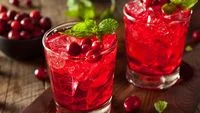
New scientific research indicates that the health benefits of cranberries extend far beyond their well-documented ability to prevent urinary tract infections (UTIs). According to a recent study published in the peer-reviewed journal Scientific Reports, regular consumption of cranberry juice holds the potential to significantly suppress the growth of dental plaque and reduce acid production in the oral cavity. This discovery challenges long-held public perceptions that the inherent tartness and sugar content of cranberry products universally compromise dental well-being, paving the way for a more nuanced understanding of functional foods in preventive dentistry.
For decades, the health and wellness sector has championed cranberries primarily for their efficacy in warding off UTIs. Medical professionals frequently recommend cranberry supplements or unsweetened juices to patients prone to bladder issues. However, the intersection of cranberry consumption and oral health has historically remained contentious. Many dental practitioners cautioned patients against consuming commercially available cranberry beverages due to high added sugar content and citric acid levels, both of which are traditionally recognized catalysts for tooth decay and enamel erosion.
The paradigm began to shift as researchers started isolating specific chemical constituents within the fruit. Cranberries are exceptionally rich in a class of flavonoid compounds known as proanthocyanidins, or PACs. In the context of urinary tract health, PACs function by creating an inhospitable biological environment for bacteria such as Escherichia coli, effectively preventing these pathogens from adhering to the epithelial cells lining the bladder wall. Scientists hypothesized that a similar mechanism might apply to the microflora of the human mouth, where bacterial adhesion is the primary precursor to dental plaque formation and subsequent tooth decay.
To test this hypothesis, a collaborative team of researchers designed a clinical investigation focusing on the interaction between cranberry juice and oral biofilms. The study was spearheaded by Dr. Christine Wu, a prominent dental researcher and professor at the University of Illinois Chicago College of Dentistry, alongside a multidisciplinary team of microbiologists and dental health specialists. Their findings suggest that the bioactive components in cranberries actively disrupt the mechanisms by which oral bacteria colonize the tooth surface.
The experimental phase of the study involved a carefully controlled clinical trial conducted on a modest yet representative cohort of human participants. The research team recruited a total of 22 subjects, comprising 8 adults and 14 children, to evaluate the real-world effects of cranberry juice exposure on dental plaque dynamics. Despite the relatively small sample size, the controlled nature of the trial allowed for precise measurements of bacterial accumulation and acid production within the oral environment.
Participants were monitored over a designated timeline to establish baseline data regarding their natural oral microbiome and plaque accumulation rates. Subsequently, researchers introduced standardized exposures to both sweetened and pure, unsweetened cranberry juice formulations. The methodology was structured to isolate the specific effects of the cranberry’s active biochemical agents while controlling for external dietary variables that typically influence oral pH and plaque deposition.
Upon analyzing the biological samples collected during the trial, the researchers documented notable shifts in bacterial behavior. Specifically, the growth rate of dental plaque bacteria—most notably Streptococcus mutans, a primary driver of cavities and structural tooth damage—exhibited a measurable decline following exposure to cranberry juice.
According to the data published in Scientific Reports, the regrowth of bacterial plaque after exposure to sweetened cranberry juice was recorded at 27 percent lower compared to the baseline measurements taken before exposure. While the research team noted that this specific variance did not reach the threshold of strict statistical significance due to the limited cohort size, the directional trend remains a compelling indicator of the fruit’s antimicrobial properties.
More definitive results emerged when evaluating the impact of pure, unsweetened cranberry juice. The data revealed that 100 percent pure cranberry juice possessed a pronounced capability to suppress the production of organic acids by oral bacteria. By limiting acid generation within the biofilm, the juice helps mitigate the localized demineralization of tooth enamel, which is the foundational step in the formation of dental caries. Although the study did not subject every commercial variant to localized clinical testing, the research team articulated a strong, evidence-based presumption that pure, unsweetened cranberry juice offers vastly superior dental benefits compared to heavily sweetened commercial beverages, which introduce excess sucrose that can inadvertently feed pathogenic oral bacteria.
The implications of these findings extend well beyond the immediate academic community, offering fresh perspectives for both the dental care industry and the broader functional beverage market. Dental plaque remains one of the most pervasive health challenges globally, contributing not only to dental caries but also to periodontal diseases, gingivitis, and systemic inflammatory conditions linked to poor oral hygiene.
Public health officials emphasize that while mechanical interventions—such as regular brushing with fluoride toothpaste, daily flossing, and professional dental cleanings—remain the gold standard for oral hygiene, adjunct preventive measures are increasingly vital. Functional foods like cranberries offer a natural, non-invasive dietary strategy that complements existing dental care routines.
However, industry experts and dental practitioners urge consumers to exercise caution when selecting commercial cranberry products. The commercial beverage market is heavily saturated with cranberry juice cocktails that contain substantial amounts of added refined sugars. While the PAC content in these products may still offer some biological activity, the high sugar content directly counteracts the protective benefits by providing an abundant energy source for acid-producing bacteria. Consequently, nutritionists and dentists recommend opting for 100 percent pure cranberry juice or specialized PAC extracts to maximize oral and systemic health benefits without introducing harmful levels of sugar.
As research in this field progresses, future studies are expected to involve larger, more diverse clinical cohorts to validate these initial findings and establish standardized dietary guidelines. Investigators also aim to explore whether isolated PAC supplements can replicate or enhance the plaque-suppressive effects observed in whole-juice trials. For now, consumers can view their morning glass of tart cranberry juice not only as a defense against urinary tract issues, but as a scientifically supported contributor to a healthier, more resilient smile.