In the modern era of fast-paced living, frozen fruits and vegetables have become a cornerstone of dietary convenience. For many households, these products offer a reliable way to maintain nutritional intake despite busy schedules. However, the convenience of the freezer aisle often masks a common pitfall: not all frozen produce is created equal. While freezing is scientifically recognized as one of the most effective methods for preserving nutrients, the choices made during the purchasing process can inadvertently strip away these health benefits. According to nutritional guidelines from health experts and data from organizations such as Verywell Health, consumers must navigate the freezer section with a discerning eye to ensure they are reaping the full rewards of their produce.
The Science of Nutrient Preservation
The misconception that fresh produce is always superior to frozen produce is a persistent narrative in culinary culture. In reality, the "farm-to-freezer" process often occurs within hours of harvest, capturing the fruit or vegetable at its peak nutritional maturity. Fresh produce, by contrast, undergoes a lengthy journey through logistics chains—harvesting, transportation, wholesale storage, and retail display—during which time vitamins, particularly water-soluble ones like Vitamin C and B-complex, begin to degrade due to exposure to oxygen, light, and temperature fluctuations.
Scientific studies, including those published in the Journal of Agricultural and Food Chemistry, have demonstrated that in many instances, frozen produce maintains higher levels of antioxidants and micronutrients than its "fresh" counterparts that have sat on supermarket shelves for days. Despite this inherent advantage, the industrialization of frozen foods has led to the proliferation of value-added products that can compromise health goals.
The Trap of Added Ingredients: Sodium and Saturated Fats
One of the most significant errors consumers make is the selection of frozen vegetables enhanced with pre-packaged sauces. While products like creamed spinach, broccoli in cheese sauce, or butter-garlic green beans offer immediate ease of preparation, they come at a metabolic cost. These additions are frequently high in saturated fats, refined oils, and excessive sodium.
Nutritionist Karina Tolentino emphasizes that such additives negate the natural, low-calorie profile of vegetables. High sodium intake is a well-documented risk factor for hypertension and cardiovascular disease. When consumers opt for "plain" frozen vegetables, they regain control over the flavor profile, allowing them to season their meals with healthier alternatives such as extra virgin olive oil, fresh herbs, lemon juice, or aromatic spices like garlic and ginger. This simple shift allows for the consumption of nutrient-dense fiber without the hidden caloric density.
The Hidden Sugar Crisis in Frozen Fruit
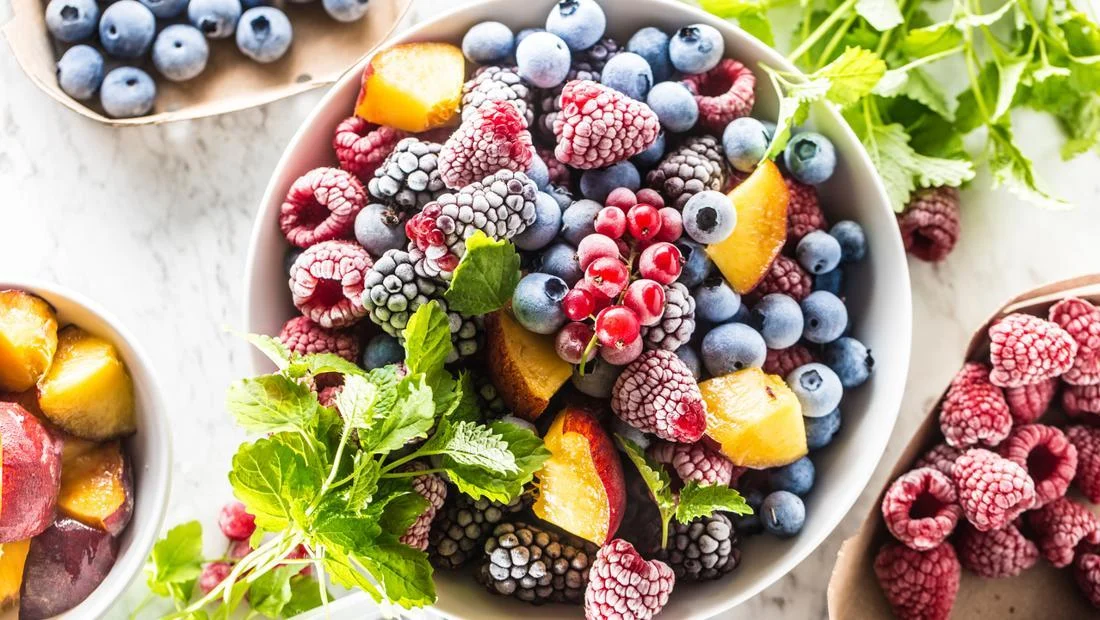
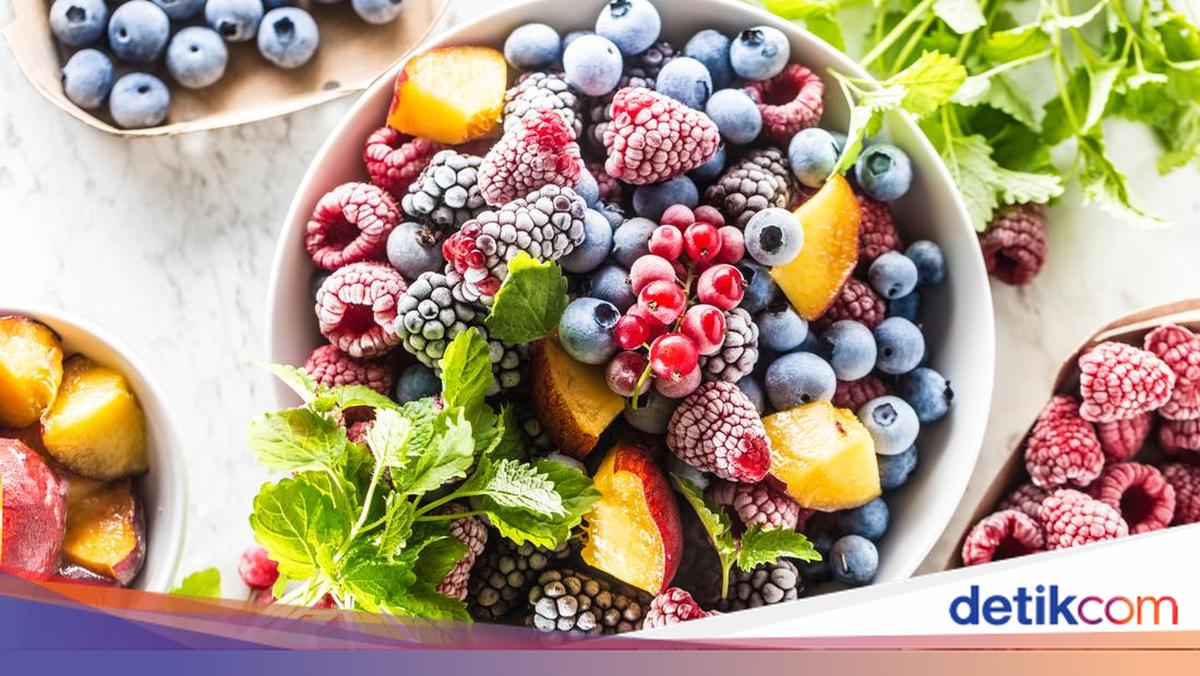
While vegetables are often sabotaged by salt and fat, frozen fruits are frequently undermined by added sugars. Many commercial brands pack berries, peaches, and mangoes in heavy syrups or simply add refined sugar to mask the natural tartness of the fruit. This process converts a healthy, fiber-rich snack into a source of "empty calories" that spike blood glucose levels.
For individuals managing metabolic health, such as those with insulin resistance or diabetes, these additions can be detrimental. The industry standard for high-quality frozen fruit should be "unsweetened" or packed in water. When reading labels, consumers should look for a single ingredient: the fruit itself. The goal is to obtain the phytonutrients and dietary fiber provided by the fruit without the unnecessary glycemic burden of added sweeteners.
The Critical Role of Label Literacy
The failure to scrutinize the Ingredient List and the Nutrition Facts label is perhaps the most pervasive error in modern grocery shopping. In an age of ultra-processed foods, many frozen items are categorized as "prepared meals" rather than whole foods. These products may contain stabilizers, emulsifiers, and preservatives that offer no nutritional value.
A rule of thumb for shoppers is the "short list" principle: the fewer ingredients on the label, the better the product. If a package of frozen peas contains a list of additives including anti-caking agents or flavor enhancers, it is likely a highly processed version of what could otherwise be a simple, clean food source. Consumers are encouraged to prioritize products that list only the vegetable or fruit as the sole component.

Quality Indicators: The Visual Audit
Beyond the nutritional profile, the physical condition of the packaging serves as a critical indicator of quality and safety. Frozen foods are highly sensitive to "temperature abuse," which occurs when the cold chain is broken—such as during transport from a distribution center to a store or if a freezer unit in the supermarket malfunctions.
Shoppers should inspect the packaging for signs of thawing and refreezing. Indicators include:
- Ice Crystals: Large, jagged ice crystals inside the bag suggest that the product has partially thawed, allowing water to escape from the plant cells and refreeze on the surface.
- Clumping: If the produce is frozen into a single, solid mass, it is a clear sign that the product has undergone temperature fluctuations.
- Frost buildup: A thick layer of frost or "freezer burn" inside the bag indicates moisture loss, which degrades the texture and flavor of the produce significantly.
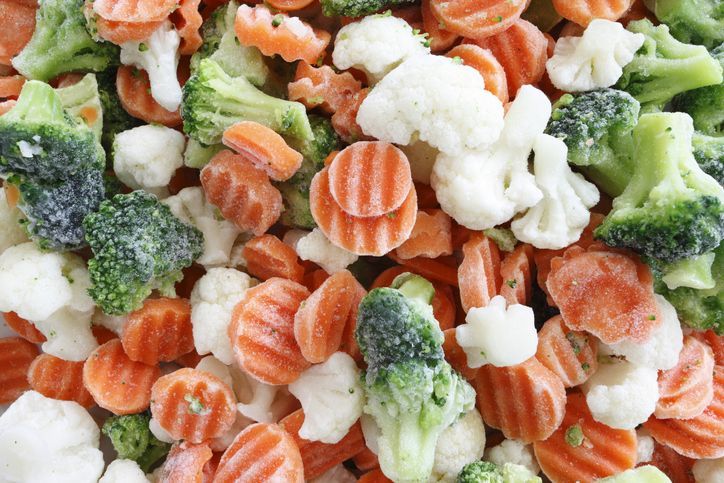
A high-quality product should be free-flowing, with individual pieces of fruit or vegetable separated. This confirms that the freezing process was rapid and efficient, preserving the integrity of the plant cells.
Addressing the Stigma Against Frozen Foods
Despite the risks associated with poor purchasing choices, there remains an unfair stigma that all frozen foods are "lesser than" fresh produce. This binary thinking is flawed. In the context of a balanced diet, frozen produce is an essential tool for ensuring consistent intake of vitamins, minerals, and dietary fiber, especially in regions where access to fresh, locally grown, seasonal produce is limited.
The global food supply chain faces significant challenges, including food waste. Frozen produce inherently reduces household food waste because it allows for portion control; consumers can use exactly what they need and keep the rest preserved. This is a significant improvement over fresh produce, which may spoil in the refrigerator before it can be consumed.
Implications for Public Health
The broader impact of these purchasing habits is profound. As public health initiatives strive to increase the daily consumption of fruits and vegetables, the barrier of cost and perishability remains a hurdle for many demographics. By educating consumers on how to shop for high-quality frozen produce, health organizations can effectively improve population-level nutrition.
The shift toward informed consumption—where labels are read, additives are avoided, and physical quality is assessed—empowers individuals to make better choices without necessarily increasing their grocery budget. Ultimately, the freezer aisle should not be viewed as a destination for convenience alone, but as a strategic resource for maintaining a high-quality, nutrient-dense diet throughout the year.
In conclusion, while the frozen aisle is a treasure trove of nutritional value, it requires a mindful consumer. By avoiding products laden with unnecessary fats and sugars, conducting a visual inspection of the packaging, and maintaining a commitment to simple, unprocessed ingredients, households can optimize their dietary health. The integration of frozen produce into a balanced meal plan is not merely a matter of convenience; it is a scientifically sound strategy for modern, health-conscious living. As consumers become more adept at identifying high-quality frozen options, the narrative surrounding the "fresh versus frozen" debate will likely continue to evolve, placing the focus squarely on nutritional density rather than the method of preservation.