The persistent, high-pitched squeal emanating from motorcycle brakes is more than a mere nuisance; it is a critical diagnostic signal that requires immediate attention from any rider. While often dismissed as a byproduct of environmental factors such as humidity or recent cleaning, the sound frequently serves as the primary warning of underlying mechanical degradation, improper maintenance, or safety-critical wear. Given that the braking system is the single most vital component for rider safety, ignoring these auditory cues can lead to compromised vehicle control, extended stopping distances, and catastrophic mechanical failure.
The Anatomy of Brake Noise: Technical Fundamentals
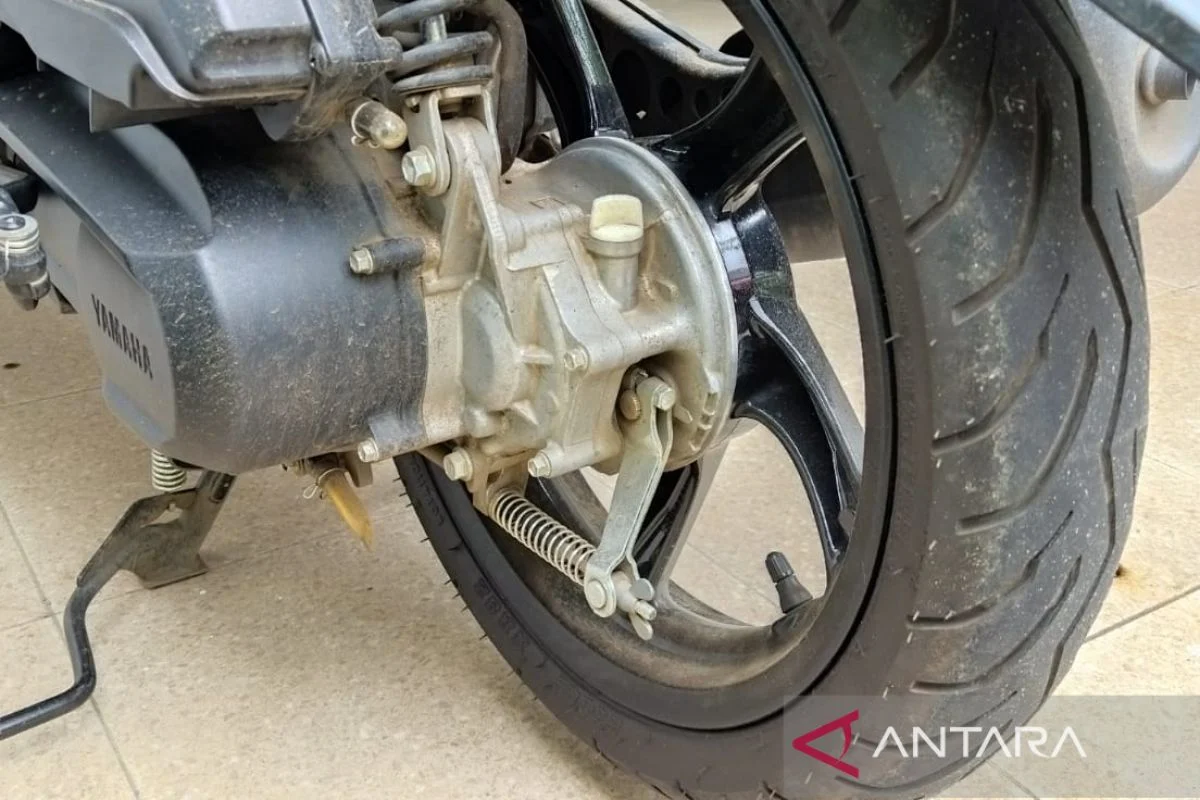
Motorcycle braking systems operate on the principle of kinetic energy conversion, where mechanical energy is transformed into thermal energy through friction. When a rider engages the brake lever or pedal, hydraulic fluid pressure forces the brake pads against the rotor (in disc systems) or the shoes against the drum (in drum systems). This friction is what brings the vehicle to a halt.
Auditory disturbances occur when the harmonic vibrations between these components—the pads, the rotor/drum, and the caliper—fall within the audible range of human hearing. In a healthy system, this contact is smooth and silent. However, when the structural integrity of these components is compromised by debris, thermal glazing, or mechanical fatigue, the vibration manifests as a squeal, grinding, or screeching sound.
Identifying Root Causes: A Comprehensive Diagnostic
Mechanical experts categorize brake noise into several distinct failure modes. Understanding these is essential for both daily vehicle operation and long-term maintenance scheduling.
1. Particulate Contamination and Environmental Factors
The most common and benign cause of squealing is the accumulation of external contaminants. Road dust, grit, sand, and even residual moisture from rain or high-pressure washing can lodge themselves between the pad and the rotor. In urban environments, brake dust—a byproduct of normal pad wear—often mixes with environmental particulates to form a glaze on the surface of the brake pads. When this happens, the material loses its coefficient of friction, resulting in vibration-induced noise.
2. Advanced Component Wear (The "Wear Indicator" Phenomenon)
Modern motorcycle brake pads are engineered with built-in wear indicators. As the friction material reaches its minimum service thickness, a small metal tab is designed to contact the rotor, creating a deliberate, high-pitched metallic screech. This is a failsafe mechanism intended to alert the operator that immediate replacement is required. Failing to address this stage of wear leads to "metal-on-metal" contact, which destroys the rotor surface and significantly diminishes braking efficiency.
3. Thermal Glazing and Rotor Irregularities
Brake rotors are precision-machined components. Over time, particularly under aggressive riding conditions, the surface of the rotor can become scored, pitted, or warped. Furthermore, "glazing"—a process where the surface of the brake pad becomes hardened and polished due to overheating—prevents the pad from properly gripping the rotor. This leads to reduced friction, "fade" (loss of braking power under load), and persistent noise.
4. Mechanical Seizure and Caliper Maintenance
The caliper is the hydraulic heart of the disc brake system. It houses the pistons that push the pads onto the rotor. If the caliper pins or pistons become seized due to corrosion or lack of lubrication, the brake pads may not retract fully after the lever is released. This results in constant, light friction, which causes overheating, premature wear, and a distinct "whirring" or squealing sound while the bike is in motion.
Chronology of Brake Maintenance and Safety Implications
Effective motorcycle maintenance follows a structured timeline based on mileage and operational environment. Neglecting this cycle has broad safety implications.
- The Inspection Phase: Routine checks should occur every 3,000 to 5,000 kilometers, depending on the manufacturer’s service manual. During this phase, technicians check for fluid levels, hydraulic line integrity, and pad thickness.
- The Remediation Phase: If noise persists, the first step is usually a professional cleaning of the brake assembly using specialized degreasers. If the sound remains, the pads are typically the first component to be replaced.
- The Critical Failure Phase: If the brake system is ignored beyond the point of standard wear, the implications move from "nuisance" to "emergency." A failure in the braking system is a leading cause of motorcycle-related traffic accidents globally. Statistical data suggests that roughly 15% of preventable motorcycle crashes are attributed to improperly maintained control systems, with brakes being the most frequent culprit.
Official Guidelines for Brake System Integrity
Major motorcycle manufacturers, including Honda, Yamaha, and Kawasaki, emphasize that braking performance is non-negotiable. According to industry service bulletins, "bedding-in" is a critical process following any brake component replacement. When new pads are installed, they require a period of controlled, gradual braking to transfer a thin layer of friction material onto the rotor. Skipping this process or failing to clean the rotor surface during a pad change often results in "new part noise," which is frequently misidentified as a product defect.
Furthermore, experts warn against the use of "quick-fix" aerosols, such as generic lubricants or oils, to silence brakes. Contaminating the friction surface of a brake pad with any form of petroleum-based lubricant can permanently ruin the pad material, requiring an immediate and costly replacement to restore safety.
Diagnostic Matrix: When to Seek Professional Intervention
Riders should be able to distinguish between benign noise and signs of imminent mechanical failure. The following matrix provides a summary of when immediate professional assistance is required:
| Symptom | Severity | Recommended Action |
|---|---|---|
| Brief squeal after rain | Low | Monitor; should stop once dry. |
| Persistent screeching | Medium | Schedule service within 500 km. |
| Metallic grinding | High | Stop riding; transport to shop. |
| Lever/Pedal "sponginess" | High | Immediate hydraulic system check. |
| Visible fluid leak | Extreme | Do not ride; immediate repair required. |
The Broader Economic and Safety Impact
From a fleet management and personal vehicle ownership perspective, regular brake maintenance is significantly more cost-effective than emergency repair. A neglected brake pad that causes damage to a rotor will cost a rider roughly three times more than a standard pad replacement. Beyond the economic impact, the safety implications are profound. A motorcycle, unlike a car, relies heavily on the front brake for the majority of its stopping power. If the front system is compromised, the rider is effectively operating a vehicle with only a fraction of its intended deceleration capability.
As urban traffic density increases, the demand on braking systems becomes more rigorous. Frequent stop-and-go riding in metropolitan areas subjects brakes to higher thermal loads than highway riding. Consequently, urban commuters must adhere to more aggressive maintenance schedules than riders who utilize their motorcycles primarily for long-distance, steady-state touring.
Conclusion: Prioritizing Proactive Care
The squealing of motorcycle brakes should be treated as a dashboard warning light. While it is easy to assume that the sound will resolve itself, the reality is that the vast majority of brake-related noises are symptomatic of physical changes within the braking system that require intervention.
Riders are encouraged to familiarize themselves with the "feel" of their motorcycle’s brakes. A change in the effort required to stop, a shift in the bite point of the lever, or any departure from the standard, silent operation of the brakes should be treated with the gravity it deserves. By performing regular, professional inspections and utilizing high-quality, OEM-spec components, riders can ensure that their motorcycle remains a safe, reliable mode of transportation. When in doubt, the advice of a qualified mechanic remains the gold standard for maintaining the integrity of the most important safety system on any motorcycle.