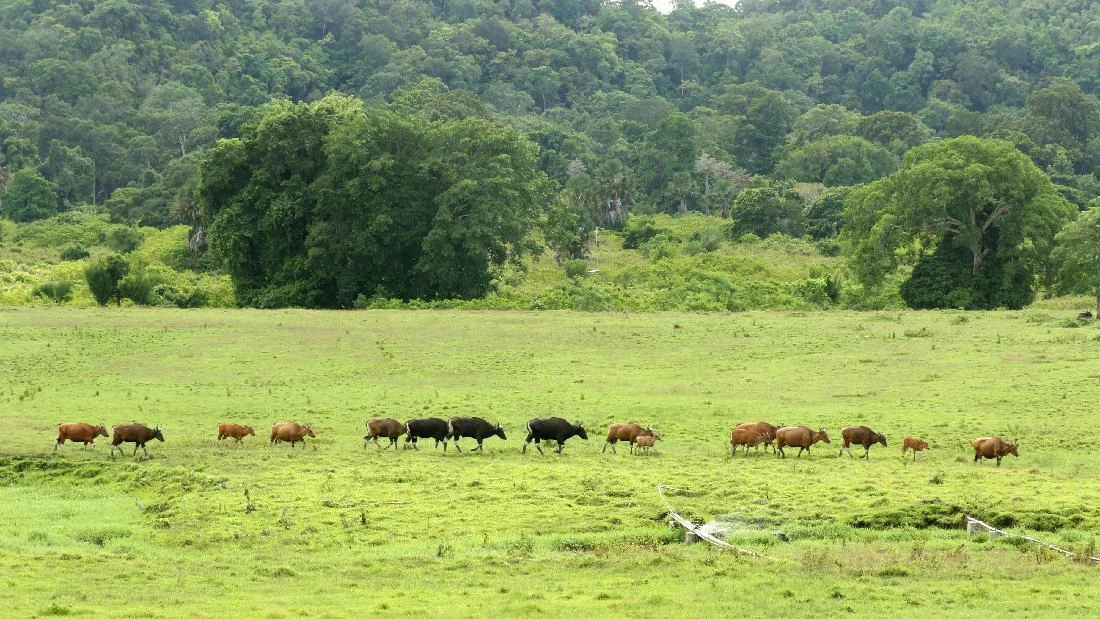
The proposal to translocate the critically endangered Javan rhinoceros (Rhinoceros sondaicus) from its sole remaining stronghold in Ujung Kulon National Park to Alas Purwo National Park has ignited a rigorous debate among conservationists, ecologists, and wildlife management experts. While the initiative is primarily framed as a strategic disaster risk mitigation measure—aimed at insulating the species from the potential catastrophic impacts of seismic activity, volcanic eruptions from the Anak Krakatau complex, and tsunamis—the scientific community remains divided. The core of the contention lies in the fundamental differences between the ecological characteristics of the two regions, raising concerns that the current approach may overlook the complex biological requirements of this highly specialized megafauna.
The Ecological Rationale Behind Translocation
The Javan rhinoceros is one of the most endangered large mammals on the planet. With a population restricted to a single site in the Ujung Kulon National Park (UKNP) on the western tip of Java, the species exists in a state of extreme vulnerability. Geological surveys indicate that the region is situated in a high-risk seismic zone. The specter of the 1883 Krakatoa eruption, which fundamentally altered the landscape of the Sunda Strait, serves as a constant reminder of the potential for mass mortality events.
Government conservation agencies and various international stakeholders have long advocated for the establishment of a "second population." The logic is sound from a population genetics and disaster management perspective: by splitting the population into two distinct geographic locations, the risk of total species extinction due to a single localized disaster is significantly reduced. Alas Purwo, located on the eastern tip of Java, has been identified as a candidate site due to its status as a protected national park and its historical records of supporting rhinocerotoid populations.
Dissecting the Ecological Niche of the Javan Rhino
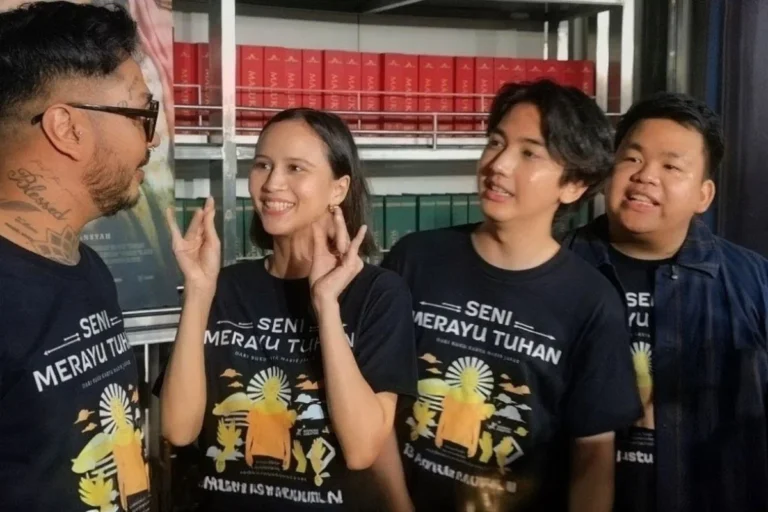
Nur Hidayatullah Romadhon, a lecturer in Biology at Universitas Muhammadiyah Surabaya (UMSURA), has emerged as a vocal proponent for a more cautious, science-driven approach. His critique centers on the concept of the "ecological niche"—the specific set of environmental conditions, resources, and interactions that a species requires to survive and thrive.
"Conservation is not as simple as identifying another tropical forest and moving the animals there," Romadhon stated during a recent discussion on the matter. "While both Ujung Kulon and Alas Purwo exist within the tropical biome, they are distinct ecosystems. A rhinoceros is not merely an inhabitant of a forest; it is a creature defined by its precise needs regarding vegetation composition, nutritional availability, soil chemistry, and micro-climatic stability."
The Javan rhinoceros is a specialized browser, consuming a diverse array of leaves, shoots, and fruits. The flora of Ujung Kulon has been shaped by centuries of volcanic history and coastal proximity, creating a unique nutritional profile. Researchers argue that if the vegetation at Alas Purwo—which possesses different soil pH levels and moisture retention capabilities—fails to provide the exact micronutrients or secondary metabolites found in Ujung Kulon, the translocated individuals may suffer from metabolic stress, reduced reproductive success, or weakened immune systems.
The Complexity of Wildlife Adaptation
One of the most profound points of contention is the assumption that wildlife can be easily managed as passive assets in a translocation program. Romadhon emphasizes that Javan rhinos are highly intelligent, solitary animals that rely on complex internal maps of their environment. In Ujung Kulon, they have developed sophisticated strategies to navigate their home range, identify seasonal water sources, and exploit patches of high-quality forage.
"When we talk about translocation, we are talking about forcing a sedentary animal to re-learn an entire ecosystem," Romadhon noted. "This involves identifying new corridors, finding shelter from apex predators or extreme weather, and establishing new movement patterns. For a species with a population as fragile as the Javan rhino, the failure to successfully navigate this transition could be fatal."
Furthermore, there is a lack of comprehensive data regarding how the Javan rhino responds to natural environmental disturbances. Conservationists often operate under the assumption that the rhinos are entirely helpless against seismic or volcanic threats. However, some researchers argue that the species has survived on the island of Java for millennia, potentially developing instinctual responses to environmental shifts that science has yet to document.
Alternatives to Physical Relocation
The debate has naturally shifted toward what alternatives exist if translocation is deemed too risky. Experts suggest that rather than moving the rhinos, resources could be better allocated to improving the quality and safety of their current habitat.
Potential strategies include:
- Habitat Enrichment: Actively managing the vegetation in Ujung Kulon to ensure a surplus of preferred forage, effectively "drought-proofing" the area against localized shifts.
- Advanced Monitoring: Deploying high-resolution sensor networks to monitor seismic activity in real-time, allowing for early warning systems that could help guide emergency management plans.
- Connectivity Enhancement: Instead of a long-distance move, focusing on creating biological corridors that allow for natural range expansion if the rhino population begins to exceed the carrying capacity of its current habitat.
- Ecological Resilience Studies: Conducting longitudinal studies on how the current rhino population interacts with the topography of Ujung Kulon, particularly in areas historically impacted by natural disasters.
The Institutional Challenge of Conservation
The push for translocation often faces pressure from political and public stakeholders who desire tangible, visible "results" in the fight against extinction. However, history is replete with failed translocation programs where the focus was on the act of moving the animals rather than the long-term ecological suitability of the release site.
In the case of the Javan rhino, the stakes are absolute. There is no "Plan B" if a translocation project leads to the death of the founding individuals. Consequently, the consensus among cautious ecologists is that the decision must be preceded by a multi-year, multi-disciplinary study that includes soil analysis, botanical surveys, and a thorough assessment of the behavioral ecology of the species.
Implications for Future Policy
As the discourse continues, the case of the Javan rhino serves as a microcosm for the broader challenges of modern conservation biology. The conflict highlights the tension between "emergency management" (the need to act quickly to prevent extinction) and "ecological integrity" (the need to respect the biological limits of the species).
If the authorities proceed with the translocation, it will likely require a soft-release approach—a process involving years of acclimatization in controlled, semi-wild enclosures to allow the rhinos to adjust to the local flora and micro-climate of Alas Purwo. This would effectively bridge the gap between the "active management" favored by policymakers and the "ecological caution" advocated by researchers like Romadhon.
Ultimately, the goal remains the same: the long-term survival of one of the world’s most enigmatic and vulnerable creatures. The lessons learned from this debate suggest that the path forward must be defined by humility. As Romadhon aptly concludes, "Before we assume we know the best way to save the Javan rhino, we must recognize that they are not just specimens to be moved. They are the masters of their own survival, and our primary role should be to ensure the environment allows them to exercise that survival mechanism on their own terms."
The ongoing research into the Alas Purwo habitat is expected to continue throughout the coming year. Stakeholders are now calling for an international peer-review process to examine the data before any physical intervention occurs, ensuring that the legacy of the Javan rhinoceros is protected by science rather than jeopardized by haste.