The European continent is currently grappling with a severe wave of social instability, as protests triggered by escalating living costs and public service dissatisfaction have spiraled into violent civil unrest. During the weekend of October 17–18, 2026, the northern Italian city of Milan became a focal point of this regional volatility. What began as peaceful demonstrations against economic hardship in the city’s historic center quickly descended into chaotic clashes between protesters and law enforcement, mirroring the intense civil disorder that has paralyzed several major urban centers across France.
The Escalation in Milan: A Weekend of Chaos
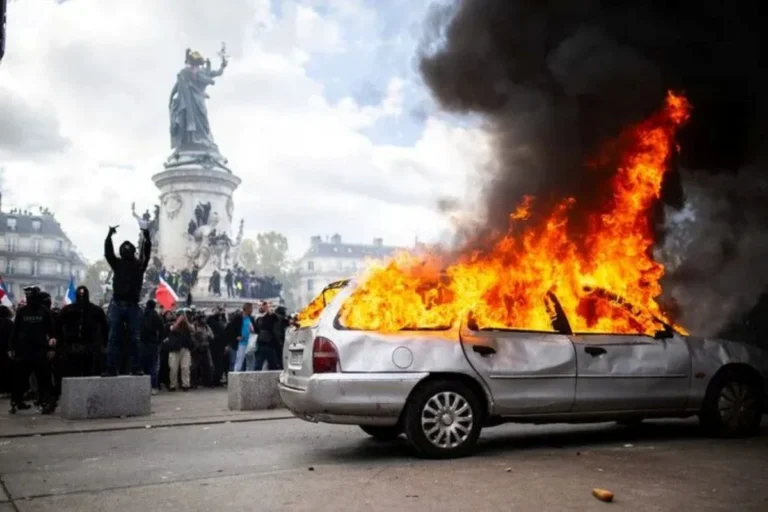
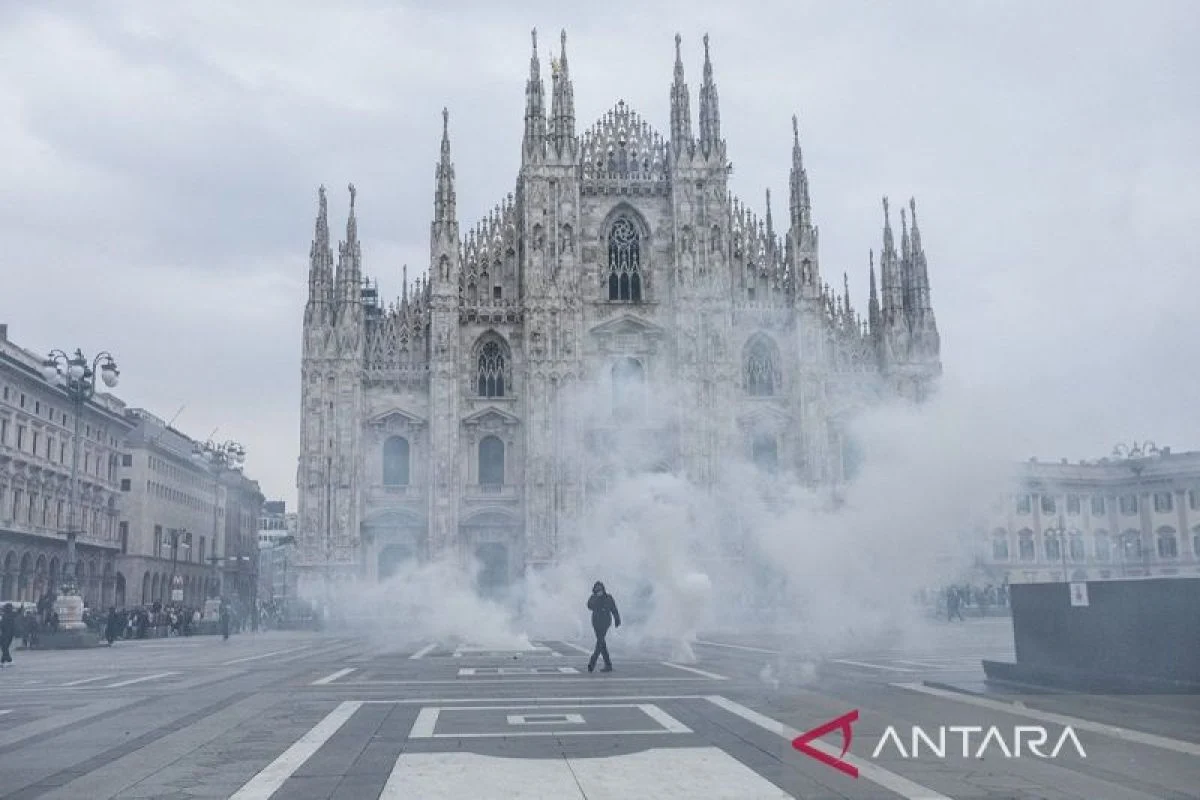
The unrest in Milan centered primarily around the iconic Piazza del Duomo and the surrounding luxury shopping districts, including the Galleria Vittorio Emanuele II. On Saturday, October 17, the peaceful nature of the demonstrations evaporated as a faction of masked agitators began utilizing heavy debris, including paving stones and construction materials, against police lines.
The situation deteriorated rapidly. Looting was reported across several high-end retail outlets, while improvised barricades—constructed from stolen café furniture and street infrastructure—were set ablaze. The presence of tourists and local shoppers, typically a hallmark of the area, was replaced by the acrid scent of smoke and the sound of flashbangs as police deployed tear gas and water cannons to regain control.
By the end of the day, authorities confirmed that at least 50 individuals had been apprehended, among them several minors, signaling the involvement of a diverse demographic in the rioting. At least two police officers sustained injuries during the initial surge. The tension did not dissipate overnight; on Sunday, October 18, the unrest reignited. Reuters reported that hundreds of youths reconvened in the city center, engaging in renewed skirmishes that resulted in further property damage and the detention of over 60 additional suspects.
Economic Roots of the Discontent
The primary catalyst for these demonstrations is a systemic economic malaise affecting much of Western Europe. In Italy, inflation has consistently outpaced wage growth, leaving the working class and younger generations struggling to navigate the prohibitively high costs of urban living.
Milan, serving as Italy’s financial, fashion, and industrial powerhouse, has become a pressure cooker for these frustrations. The cost of rental housing in the city has reached historic highs, while the price of essential commodities, electricity, and public transport has created a "squeeze" that many citizens feel the current administration has failed to address. For many participants, the protest is not merely about current prices but a deeper anxiety regarding social mobility and the perceived erosion of the middle-class lifestyle.
Furthermore, the demonstrations in Milan have integrated broader political grievances. While a significant portion of the crowd focused on economic survival, other factions utilized the platform to voice opposition to ongoing international conflicts and specific government foreign policy decisions. This intersection of economic desperation and political polarization has made it difficult for authorities to manage the crowds, as the motivations behind the protest remain fragmented and multifaceted.
A Comparative Look: The Situation in France
The violence in Milan is occurring in the shadow of a much larger crisis in France, where hundreds of thousands of citizens have mobilized against similar economic pressures, education sector reforms, and perceived failures in public service delivery. The scale of the French unrest has been significantly larger, with reports indicating that over 2,400 arrests have been made across the country.
The intensity of the violence in France has been unprecedented in recent years. By October 18, medical reports suggested that nearly 1,000 police officers had been injured in clashes, while the tragic death of one protester due to cardiac arrest during a demonstration in Paris has further inflamed public anger. While both the Italian and French governments are facing intense scrutiny, analysts are cautious about drawing a direct line of causality between the two. There is currently no evidence to suggest that the unrest is being orchestrated by a centralized, transnational organization. Instead, the events are being viewed by sociologists as a spontaneous, synchronous expression of deep-seated social malaise that has been simmering across the Eurozone.
Official Responses and Government Strategy
The Italian government has adopted a firm stance against the violence. Prime Minister Giorgia Meloni issued a stern condemnation of the rioters, emphasizing that while the right to protest is a fundamental pillar of democracy, the destruction of public property and attacks on law enforcement are criminal acts that undermine the rule of law.
"We recognize the hardship of our citizens," stated the administration in a press release, "but there is no justification for the looting of businesses and the endangering of our public servants."
Milan’s Mayor, Giuseppe Sala, echoed this sentiment, calling for calm while acknowledging that the city must address the underlying economic grievances that fueled the initial demonstrations. In response to the escalating security threat, Prime Minister Meloni scheduled an emergency cabinet meeting for Monday, October 19. The agenda for this meeting is expected to focus on two distinct fronts:
- Security Measures: Reviewing the police response and determining whether additional national security assets, such as the deployment of the military to assist in guarding critical infrastructure, are necessary to restore order.
- Economic Policy: Evaluating immediate fiscal interventions to alleviate the cost-of-living crisis, including potential subsidies for energy and rent relief, to address the core grievances of the moderate protesters.
Broader Implications for the Eurozone
The events in Milan and France pose a significant challenge to the European Union’s internal stability. With similar protests reported in Belgium and Portugal, the "domino effect" of social unrest is testing the resilience of current European governance.
Economic Implications
The damage to retail districts and the disruption of commerce in major financial hubs will have a measurable impact on the Q4 economic performance for these regions. Beyond the physical damage, investor confidence in the stability of these urban centers may waver, potentially affecting foreign direct investment and tourism—sectors that are vital to both the Italian and French economies.
Political Implications
The crisis puts moderate, center-right governments in a difficult position. If they respond with excessive force, they risk further alienating a disenfranchised population. If they concede to demands under the pressure of violence, they risk signaling that destruction is a viable tool for policy change. Political analysts suggest that the coming weeks will be a defining period for the Meloni administration, as it attempts to balance the maintenance of law and order with the need to implement genuine, long-term economic reforms that address the structural inequalities fueling the protests.
Social Dynamics
The presence of minors and young adults among those detained suggests that a generation of Europeans feels increasingly alienated from the traditional socio-economic contract. This demographic shift indicates that the current unrest is not a temporary anomaly but a symptom of a systemic failure to provide a stable, affordable, and promising future for the youth.
Moving Forward: The Path to Stability
As the dust settles in Piazza del Duomo, the challenge for the authorities is to distinguish between legitimate political discourse and criminal activity. The Italian government’s ability to navigate this tension will likely determine whether the current wave of unrest will subside or develop into a long-term period of chronic instability.
Moving forward, European policymakers face the urgent task of addressing the "cost-of-living" crisis with more than just rhetoric. Structural adjustments in energy policy, housing regulation, and wage taxation are being cited by experts as the only viable paths to de-escalating the situation. Without these changes, the streets of major European capitals may continue to witness the friction between the state and a population that increasingly views the status quo as untenable.
The coming days will be critical. With additional security measures now in place and the government’s emergency meetings underway, the focus remains on whether a constructive dialogue can be established before the next round of planned demonstrations takes place. For now, the images of barricades in Milan serve as a stark reminder of the fragile nature of social peace when economic security is no longer guaranteed for the citizenry.