The Dawn of the Doncic Era in Los Angeles
The transition away from LeBron James is more than a roster adjustment; it is a fundamental reconfiguration of the Lakers’ tactical identity. For eight seasons, the offense revolved around James’ unparalleled vision and physical dominance. Now, the keys to the kingdom reside firmly in the hands of Luka Doncic. The Slovenian superstar, who secured his second career NBA scoring title and a selection to the All-NBA First Team last season, has been the primary architect of the Lakers’ success over the past year.
Doncic’s capacity to control the tempo of the game is statistically peerless. In the 2025/2026 season, his ability to dissect opposing defenses in half-court sets became the Lakers’ most reliable weapon. However, the absence of James removes a layer of defensive attention that previously provided Doncic with more space. Analysts suggest that opponents will now shift their primary defensive focus entirely toward slowing down the former Maverick, necessitating a more complex offensive structure under head coach JJ Redick. The pressure on Doncic to remain the league’s most efficient creator while simultaneously maintaining his physical durability over an 82-game schedule will be the primary narrative of the Lakers’ season.
Austin Reaves: From Role Player to Elite Contributor
If Luka Doncic is the heart of the new-look Lakers, Austin Reaves is undeniably the lungs. Recording a career-high 23.3 points per game in the previous campaign, Reaves has evolved from an undrafted success story into a vital secondary scoring option. The chemistry between Doncic and Reaves was a statistical highlight last season, as the duo combined for 56.8 points per game, leading the Lakers to a 30-11 record when both were active.
The expectation for the 2026/2027 season is that Reaves will see an increased usage rate. With James gone, Reaves is expected to take on the role of secondary playmaker, a position that requires him to demonstrate more consistency as a primary ball-handler. His ability to initiate offense when Doncic is off the floor will be a decisive factor in whether the Lakers can maintain their offensive efficiency. Critics point out that while Reaves has shown flashes of elite scoring, he must now prove he can thrive as the focal point of opposing teams’ scouting reports, which will undoubtedly aim to neutralize him early in the shot clock.
Strategic Roster Overhaul: Building for Depth and Defense
Recognizing the need for a more versatile and defensively sound rotation, the Lakers’ front office engaged in an aggressive roster overhaul during the off-season. The departure of veterans like Deandre Ayton, Rui Hachimura, and Jaxson Hayes cleared the way for a influx of younger, more specialized talent.
The most significant acquisition is center Walker Kessler, whose rim-protection abilities are intended to address the Lakers’ defensive shortcomings. Last season, the team conceded an average of 114.6 points per game, a figure that largely negated their 116.3-point offensive output. By adding Kessler, the Lakers hope to anchor their defense in the paint, allowing their perimeter players to play more aggressively on the wings.
Furthermore, the additions of Matisse Thybulle, Quentin Grimes, and Collin Sexton provide much-needed flexibility. Thybulle’s reputation as an elite perimeter defender is expected to fill the void left by the departure of Marcus Smart. Meanwhile, the scoring punch provided by Sexton and the floor-spacing capabilities of Grimes and Jaden Hardy are designed to prevent the offense from stagnating. The challenge for head coach JJ Redick is to integrate these new components into a cohesive system before the rigorous demands of the Western Conference schedule take their toll.
Tactical Challenges and the JJ Redick Doctrine
Head coach JJ Redick faces the most significant test of his career. Tasked with managing a team that has turned over a substantial portion of its roster, Redick must implement a defensive philosophy that relies on communication rather than individual heroics. The team finished 19th in defensive rating per 100 possessions last season, a metric that must improve if the Lakers are to progress beyond the Western Conference Semifinals.
Redick’s primary challenge lies in establishing a hierarchy. Without the gravitational pull of LeBron James, the offense must be more egalitarian. Ball movement, off-ball screens, and a higher frequency of transition opportunities will likely define the Lakers’ identity. Redick has emphasized the importance of load management for Doncic, but with a competitive landscape in the West, balancing player health with the need for victories will require a delicate touch.
The Western Conference Gauntlet
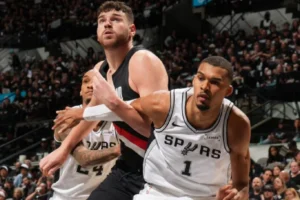
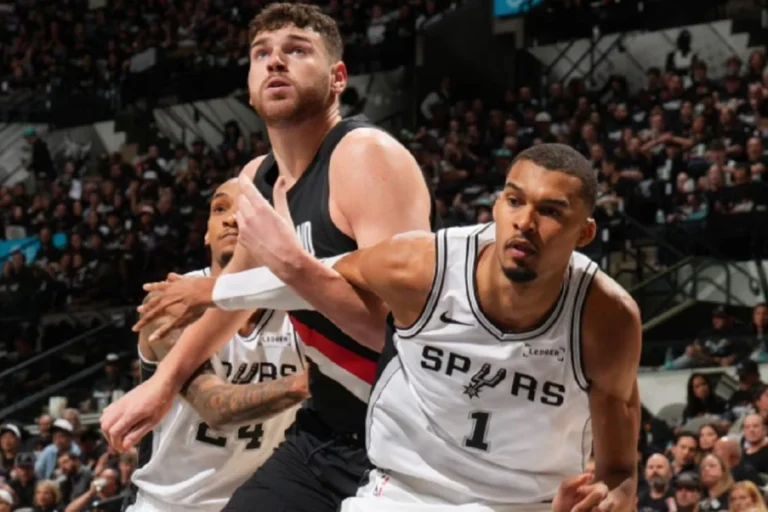
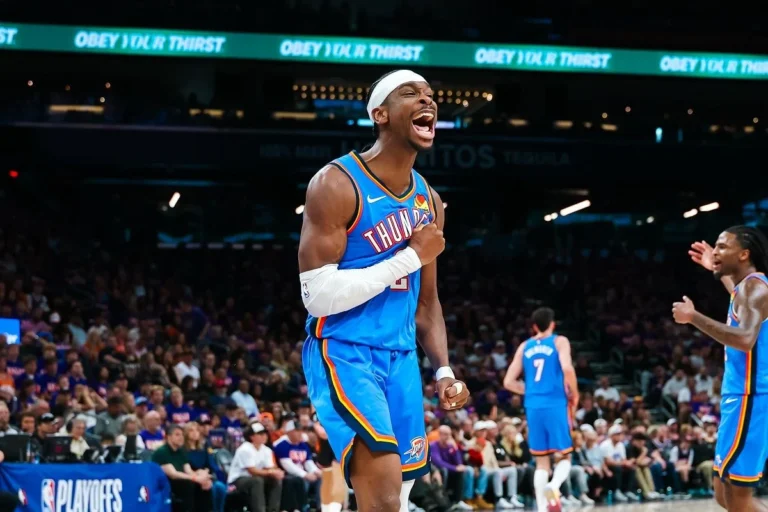
The path to the NBA Finals remains arduous. The Oklahoma City Thunder, fresh off a 64-win season, remain the team to beat in the West. Their depth and defensive discipline served as a harsh reality check for the Lakers in the 2026 playoffs, resulting in a 0-4 sweep. Additionally, the San Antonio Spurs, led by the transcendent Victor Wembanyama, have emerged as a legitimate title threat after their 2026 Finals appearance.
The Denver Nuggets and the revitalized Minnesota Timberwolves—who have added LaMelo Ball to complement Anthony Edwards—further complicate the playoff picture. For the Lakers, the objective is clear: secure a top-six seed to avoid the unpredictable nature of the Play-In tournament. Any slip-ups against conference rivals could force the team into a precarious position, given the high level of parity currently defining the league.
A Highly Anticipated Homecoming
Amidst the grind of the regular season, one date is circled on every calendar: December 25, 2026. The Lakers will host the Philadelphia 76ers in a Christmas Day marquee matchup that marks the return of LeBron James to Crypto.com Arena. While the game serves as a nostalgic celebration of James’ tenure in Los Angeles, it also acts as a litmus test for the new-look Lakers. Facing a championship-contending Sixers team will provide an early-season indicator of whether the Lakers’ revamped roster has the fortitude to compete against the league’s elite.
Implications for the Future of the Franchise
The 2026/2027 season is a watershed moment for the Los Angeles Lakers. The departure of LeBron James signals the end of a high-stakes, veteran-led chapter and the beginning of a potentially long-term project centered on the unique skill set of Luka Doncic. While the team remains a playoff-caliber contender, their ability to elevate into a championship-winning unit depends entirely on the growth of their younger assets and the effectiveness of their defensive adjustments.
The statistical data suggests that the Lakers possess the offensive firepower to compete with any team in the league. However, basketball at the highest level is ultimately won on the defensive end of the floor. If Coach Redick can mold his new acquisitions into a unified defensive unit, the Lakers may find that their post-LeBron era is not a decline, but a necessary evolution toward a more balanced, modern style of basketball. For the fans in Los Angeles, the season ahead will be one of transition, testing whether the "Laker Way" can successfully reinvent itself in the absence of one of the greatest players in the history of the sport.