The modern city of Depok, located within the province of West Java, Indonesia, is widely recognized today as a bustling satellite city of Jakarta. Formally established as an autonomous municipality (kotamadya) on April 27, 1999, its contemporary administrative identity often obscures a unique and radical past. Long before it was integrated into the Indonesian state apparatus, Depok existed as a "private state" (particuliere landerij), governed by its own president and administration. This article explores the evolution of Depok from a colonial-era land acquisition to a self-governing entity that predates the sovereignty of the Republic of Indonesia.
The Origins of a Private State: The Cornelis Chastelein Era
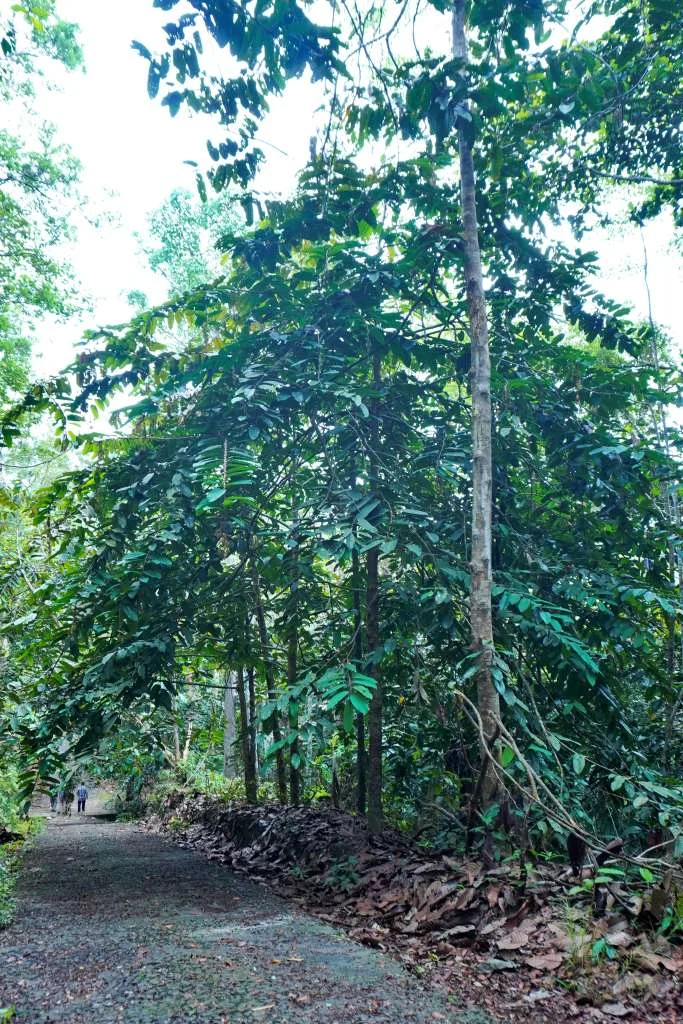
The genesis of Depok’s unique status can be traced back to the late 17th century. In 1696, Cornelis Chastelein, a wealthy Dutch merchant and a high-ranking official of the Dutch East India Company (VOC), acquired a vast tract of land spanning approximately 12.44 square kilometers. The purchase price of 2.4 million guilders secured land that stretched significantly further than the current borders of Depok, encompassing areas that today constitute parts of South Jakarta, including Pasar Minggu and reaching as far as Gambir in Central Jakarta.
Chastelein, a devout Christian, was known for his unconventional treatment of his laborers. Unlike the typical colonial plantation model that relied on brutal exploitation, Chastelein organized his estate differently. He imported slaves from various regions, including Bali, Makassar, and parts of the Indonesian archipelago, to clear the dense forests and develop the land for agriculture. This diverse group of laborers would eventually form the nucleus of what became known as the "Depok Dutch" (Belanda Depok)—a community of freed slaves and their descendants who adopted European surnames and Christian faith, yet maintained a distinct cultural identity.
The Last Will and Testament: A Legacy of Autonomy
The transition of Depok from a private plantation to a self-governing enclave began with the death of its founder. Upon his passing on June 28, 1714, Chastelein left a landmark will that effectively granted his former slaves not only their freedom but also land, livestock, and essential agricultural equipment.
By bequeathing his estate to his laborers, Chastelein inadvertently created a socio-political entity that existed outside the direct reach of the Dutch East Indies government. This status of "particuliere landerij" meant that the land was private property, exempt from the typical administrative oversight of the colonial authorities. To prevent internal conflict following his death, Chastelein appointed Jarong van Bali to oversee the transition. However, the residents, cognizant of the risks of power struggles, moved toward a more structured governance model.

The Era of the Presidents: A Democratic Experiment
In the early 20th century, the community formalized its governance. In 1913, the administrative body known as Het Gemeente Bestuur van Het Particuliere Land Depok (The Municipal Government of the Private Land of Depok) was officially established. This structure was revolutionary for its time, featuring a president who was elected democratically by the residents every three years.
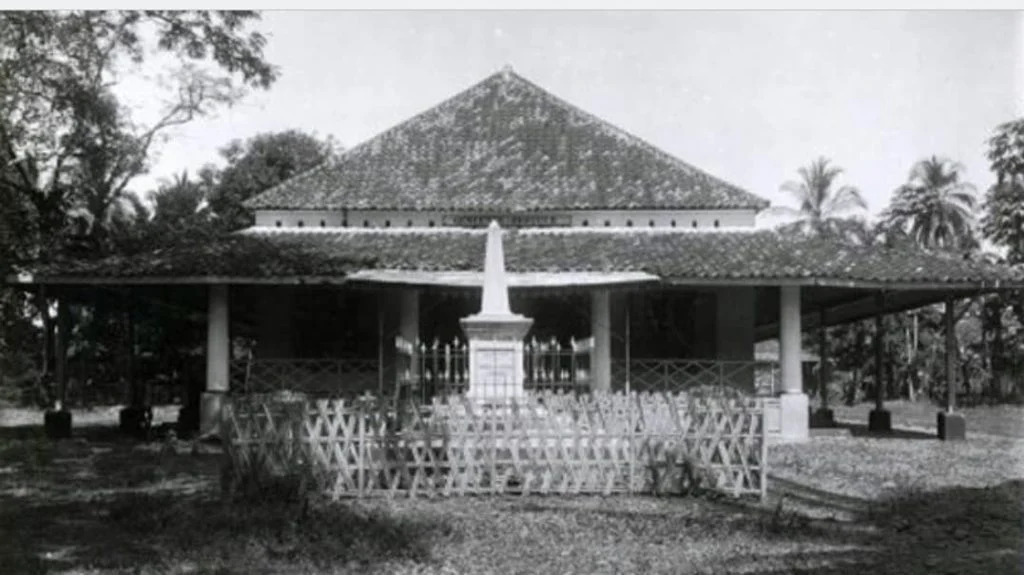
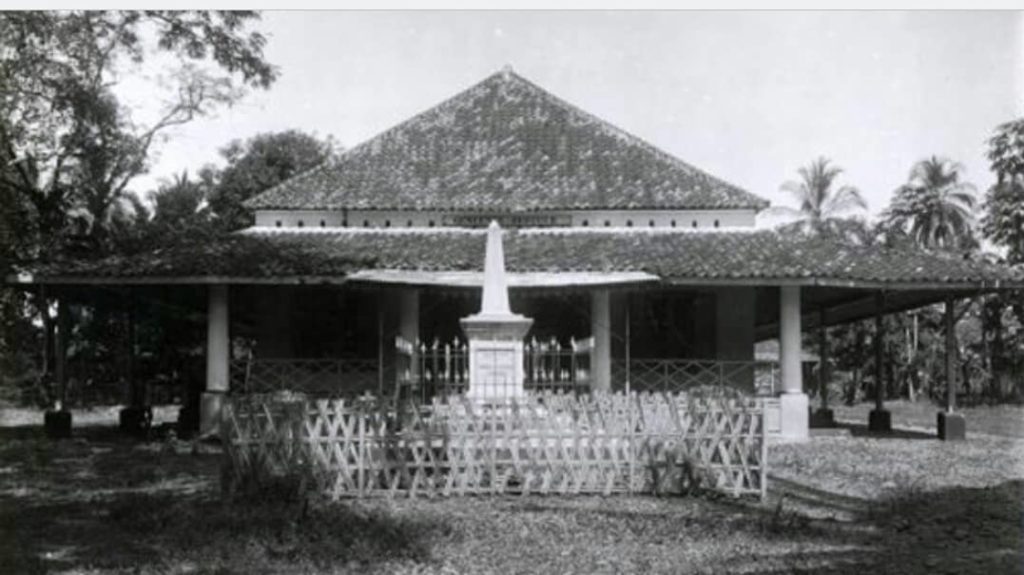
The administrative center of this private state was located at what is now known as Kilometer 0 in Depok, marked by the historic Tugu Depok. The governing building, which stood near this landmark, was later repurposed and is known today as the Harapan Hospital. The governance structure was remarkably streamlined: there was no vice-presidential office; instead, the president was supported by a secretary, and the legal framework was drafted by lawyers from Batavia (modern-day Jakarta) to ensure the administrative system functioned in accordance with the needs of the landholders.
Chronology of Leadership
While historical records for every term are sparse, the known leadership of the autonomous Depok reflects a period of distinct self-governance:
- 1913: Gerrit Jonathans is inaugurated as the first President of Depok.
- 1921: Martinus Laurens takes office, continuing the democratic succession process.
- 1930: Leonardus Leander assumes the presidency.
- 1952: Johannes Matjis Jonathans serves as the final president.
This period was characterized by a relative sense of isolation from the broader anti-colonial movements occurring elsewhere in the Dutch East Indies, largely because the residents considered their land to be a private inheritance under the terms of Chastelein’s will.
Dissolution and Integration into the Indonesian State
The autonomy of Depok faced an inevitable decline as the geopolitical landscape of the region shifted. Following the recognition of Indonesian sovereignty after the Indonesian National Revolution, the status of private lands (particuliere landerijen) became untenable under the laws of the newly formed Republic.
In 1952, the final president, Johannes Matjis Jonathans, formally handed over the administration of the land to the Indonesian government through a deed of transfer. This marked the end of the "private state" era and the beginning of the region’s integration into the national administrative structure. For several decades, the region functioned as a kecamatan (district) under the Bogor Regency before its eventual elevation to a full city (kotamadya) in 1999.
Broader Implications and Historical Significance
The history of Depok serves as a unique case study in Indonesian colonial history. It challenges the conventional narrative of the Dutch colonial experience, illustrating that colonial rule was not monolithic. The existence of a self-governing enclave led by former slaves and their descendants, who operated under a democratic presidential system as early as 1913, provides a nuanced look at how legal frameworks—in this case, a private will—could create pockets of autonomy within a broader colonial empire.
From an urban planning and sociological perspective, the remnants of this era continue to influence the identity of modern Depok. The "Depok Dutch" heritage, the preservation of historic sites like the Tugu Depok, and the memories of the community’s ancestors remain a significant aspect of the city’s cultural tapestry.
Historians argue that the transition from a self-governing private estate to a public municipal entity in 1952 was not merely a change in governance but a fundamental shift in the social contract of the region. As the city continues to expand into a major residential and educational hub, the "Depok Republic" serves as a reminder that the history of urban spaces in Indonesia is often far more complex than their current administrative labels suggest.
Conclusion: Recognizing a Hidden Legacy
While the contemporary city of Depok is only 25 years old in its current administrative form, its roots as a distinct, self-governing community reach back more than three centuries. The transition from the vision of Cornelis Chastelein to the democratic presidency of the early 20th century highlights a rare intersection of colonial legacy and early local democratic organization.
Today, the Tugu Depok and the historical records of the Gemeente Bestuur serve as vital links to this forgotten past. For residents and historians alike, acknowledging this history provides a deeper understanding of how Depok evolved from a privately held forest into one of the most significant cities in West Java. It is a story of transition—from slavery to land ownership, from an estate to an autonomous republic, and finally, into the integral part of the modern Indonesian nation that it is today. As Depok continues to modernize, the preservation of these historical narratives remains essential for maintaining the cultural continuity of the city.