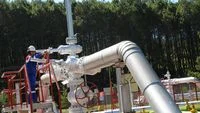
The prospect for geothermal energy in Indonesia is entering a transformative phase, with PT Pertamina Geothermal Energy Tbk (PGE) positioning the renewable resource as a cornerstone for national energy security and a critical power source for the burgeoning digital infrastructure sector. Ahmad Yani, President Director of PGE, recently underscored that the rising domestic demand for electricity has outpaced current supply capabilities, creating a significant market opening for geothermal development. Even if Indonesia were to maximize its geothermal potential today, the supply would likely struggle to keep pace with the exponential growth in demand, signaling a robust and sustained business opportunity for the sector.
The Strategic Imperative of Geothermal Energy
In an era defined by global energy volatility, the shift toward domestic resource utilization has become a geopolitical and economic priority. For Indonesia, a nation endowed with approximately 40 percent of the world’s geothermal reserves, the transition is not merely an environmental choice but a strategic necessity. The global energy crisis, characterized by supply chain disruptions and volatile fossil fuel prices, has prompted nations to prioritize "energy sovereignty."
Yani emphasized that geothermal energy offers a unique value proposition: it is baseload renewable energy. Unlike solar or wind, which are intermittent, geothermal provides a constant, reliable power supply, making it an ideal candidate to stabilize the national grid. By reducing reliance on imported fuels, Indonesia can insulate its industrial sector from international market fluctuations while simultaneously achieving its decarbonization targets.
Chronology of Strategic Pivots
PGE’s strategy has evolved significantly over the past few years. Following its successful initial public offering (IPO) on the Indonesia Stock Exchange (IDX), the company has focused on scaling its operations and diversifying its revenue streams.
- Early 2023: PGE solidified its financial position through its IPO, raising substantial capital intended for capacity expansion and technological upgrades.
- Mid-2023: The company began intensive research into the intersection of geothermal energy and high-demand industrial sectors, specifically targeting data centers and green hydrogen.
- Late 2023 to Early 2024: PGE initiated feasibility studies regarding "off-grid" geothermal solutions, aiming to provide direct, independent energy to industrial complexes.
- November 2024: The announcement of the Kamojang pilot project signals the shift from theoretical modeling to empirical "proof of concept" execution.
The Data Center Opportunity: A New Frontier
As Indonesia positions itself as a regional hub for digital services, the proliferation of data centers has become a major driver of electricity demand. Data centers are notoriously power-hungry, requiring constant, high-quality cooling and processing energy. Historically, these facilities have relied on the general grid, which often involves a mix of coal-heavy energy sources.
PGE is currently in advanced discussions with various industry stakeholders to serve as a dedicated energy supplier. The company is proposing an "independent energy" model, where geothermal plants provide a direct, carbon-neutral power source for data centers, operating independently of the broader, potentially carbon-intensive grid.
This model addresses the growing "green pressure" faced by global tech giants. Companies such as Google, Microsoft, and Amazon have pledged to reach net-zero emissions, and sourcing electricity from dedicated geothermal plants allows them to meet strict ESG (Environmental, Social, and Governance) requirements. By decoupling from the national grid where necessary, PGE can offer a "green premium" service that is both reliable and sustainable.
The Kamojang Pilot Project
The Kamojang Geothermal Power Plant (PLTP) has been selected as the staging ground for this new initiative. PGE is initiating a 5 Megawatt (MW) pilot project to demonstrate the technical and commercial viability of providing dedicated power to a data center. This project serves as a "proof of concept" to address three core concerns for investors and regulators:
- Technological Reliability: Proving that geothermal steam can maintain the constant, high-frequency power required for sensitive data center infrastructure.
- Environmental Impact: Demonstrating the reduction in the water footprint and carbon emissions associated with geothermal operations, addressing concerns regarding the high water consumption typical of data center cooling systems.
- Commerciality: Establishing a pricing model that is competitive against conventional power while providing long-term price stability for the data center operator.
If the Kamojang pilot proves successful, PGE intends to scale this model across its other operational fields, creating a network of "green data hubs" across the Indonesian archipelago.
Supporting Data and Market Context
Indonesia’s geothermal potential is estimated at approximately 24 gigawatts (GW), yet only a fraction of this has been developed. The government’s National Energy Policy (KEN) aims to accelerate the transition to renewables, with geothermal playing a pivotal role in reaching a 23 percent renewable energy mix by 2025.
Market analysts point out that the cost of geothermal energy, while high in initial capital expenditure (CAPEX), offers lower operational expenditure (OPEX) over the project’s lifetime compared to gas or coal. Furthermore, the volatility of global coal prices makes geothermal’s fixed-cost structure increasingly attractive for long-term industrial contracts.
According to data from the Ministry of Energy and Mineral Resources (ESDM), the demand for electricity in industrial parks is expected to grow by 6 to 8 percent annually over the next decade. The integration of high-tech industries, such as cloud computing and AI, into the Indonesian market creates a massive, untapped market for "green baseload" energy providers like PGE.
Broader Implications and Future Outlook
The shift toward geothermal-powered data centers represents a broader shift in Indonesia’s industrial policy. By leveraging its natural resources to support high-tech infrastructure, the country is moving up the value chain.
However, challenges remain. Regulatory hurdles, particularly regarding land permits and the lengthy development timelines of geothermal fields, remain a concern for international investors. Furthermore, the high upfront costs associated with exploratory drilling necessitate robust financial support and innovative financing models, such as green bonds or blended finance mechanisms.
PGE’s strategy reflects a proactive approach to these challenges. By focusing on "proof of concept" projects, the company aims to de-risk the sector for future private capital. The success of the Kamojang project will likely be a bellwether for the industry. If PGE can demonstrate that geothermal energy is not just a cleaner alternative but a superior, more reliable option for mission-critical infrastructure, it will set a new standard for industrial energy consumption in Southeast Asia.
In conclusion, Ahmad Yani’s vision for PGE is rooted in the reality of an energy-hungry nation. As Indonesia balances the dual requirements of rapid economic expansion and environmental stewardship, the marriage between geothermal power and the digital economy offers a path forward. The coming years will be critical as the company transitions from a traditional power utility to a diversified energy provider, capable of sustaining the high-tech demands of the 21st century with the ancient, thermal energy stored beneath the Indonesian earth.
As the pilot project at Kamojang commences, the energy sector will be watching closely. The outcome of this endeavor will not only influence PGE’s stock valuation and market positioning but will also determine whether Indonesia can successfully harness its geological assets to become a global leader in sustainable, high-tech industrial growth. The narrative is clear: geothermal is no longer just a component of the energy mix; it is becoming the backbone of the nation’s industrial future.