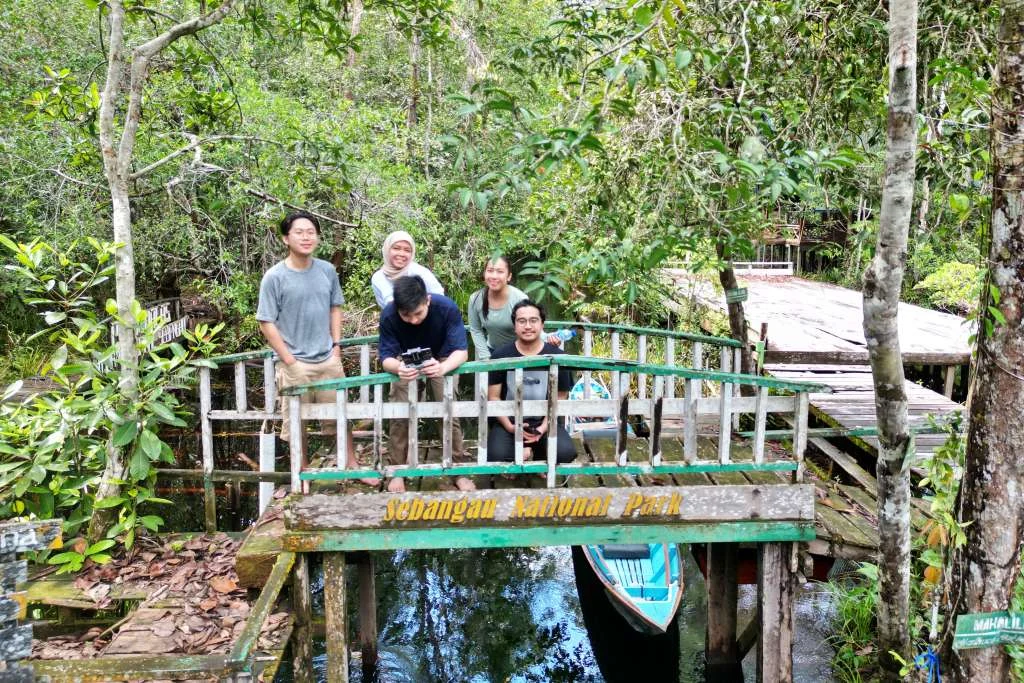
The dense, mist-shrouded peatlands of Central Kalimantan have long held an aura of profound mystery, serving as the ecological heartbeat of Indonesian Borneo. Beyond the widely publicized images of sprawling river basins and iconic orangutan populations lie lesser-known ecological enclaves that demand both scientific attention and deep public awareness. Among these is Punggu Alas, a remote conservation outpost situated deep within the Sebangau National Park near Palangka Raya. A recent expedition undertaken by a group of nature travelers—including Yosua, Nadira, William, Robby, and writer Wiwik Eka Nopariyanti—offers a compelling lens through which to examine the delicate balance between pristine wilderness and intensifying environmental degradation.
The Journey into the Heart of Sebangau
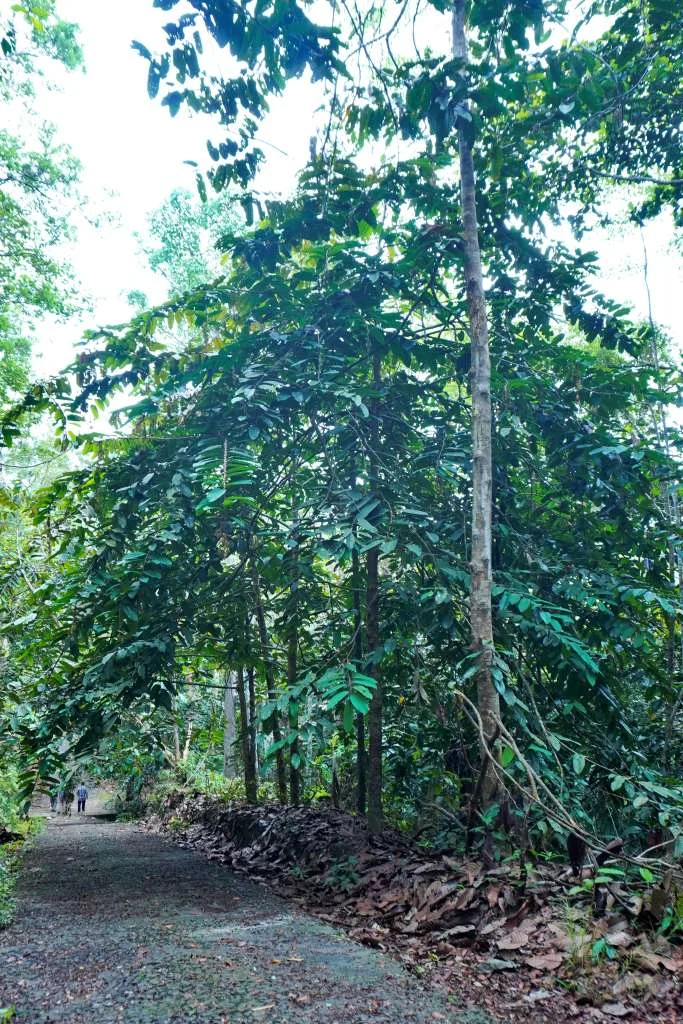
The expedition began far from traditional tourist circuits, navigating unpaved routes before transferring to wooden motorboats at an unmarked river pier. Navigating the murky, dark waters characteristic of tropical peatland ecosystems, the travelers ventured into narrow tributaries where the dense forest canopy blocks out the afternoon sun. This characteristic dark coloration is not the result of industrial pollution or muddy runoff, but rather the natural accumulation of organic tannins and decomposed vegetative matter built up over thousands of years within the peat soil layers.
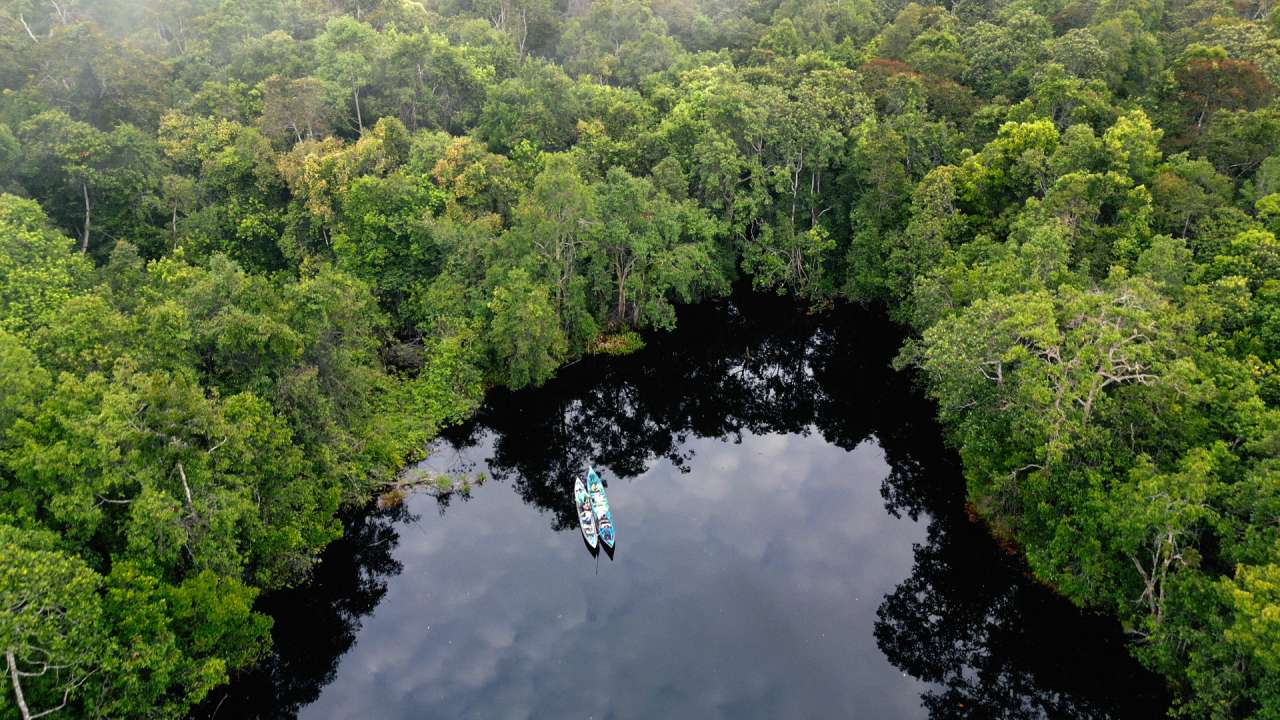
Upon reaching Punggu Alas, the expedition relied on community-based infrastructure—simple wooden boardwalks and rustic shelters maintained in cooperation with local residents. The journey highlighted the historical symbiosis between the indigenous Dayak communities and the river networks, which have served for centuries as fundamental arteries for transport, cultural continuity, and environmental stewardship. Activities such as manyuar—traditional nighttime fishing techniques—demonstrated a deep-seated, low-impact coexistence with the surrounding nocturnal ecosystem. Although the night yielded no fish and the morning mist obscured the elusive wild orangutans, the encounter emphasized a vital conservation ethos: the value of a natural habitat extends far beyond immediate human utility or photographic documentation.
Ecological Significance and the Peatland Crisis
Despite the serene atmosphere experienced by travelers within the forest interior, the broader Sebangau ecosystem faces unprecedented anthropogenic and climatic pressures. Central Kalimantan has experienced severe dry seasons, precipitating critical ecological crises related to forest and land fires, locally known as kebakaran hutan dan lahan (karhutla).
According to regional meteorological and disaster management data, the Provincial Government of Central Kalimantan declared an emergency status for forest and land fires spanning from May 26 to October 31. By August 22, monitoring agencies had recorded a staggering 19,992 hotspots across the province. Furthermore, spatial analyses by environmental coalitions such as Pantau Gambut revealed that approximately 243,241 hectares of Indonesian peatlands burned between January and August, with Central Kalimantan alone accounting for 61,101 hectares of scorched organic soil. By mid-October, air quality indexes in Palangka Raya plunged into hazardous categories, with visibility plummeting to a mere two meters due to thick, toxic haze.

Understanding the Mechanics of Peat Degradation
Unlike mineral soil forests, peatlands are composed of massive layers of ancient, water-saturated organic matter. When historical drainage canals are excavated—often legacy infrastructure from commercial logging concessions predating official conservation status—the hydrological balance is severely disrupted. As the peat dries out, it transforms from a natural carbon sink into a highly combustible fuel source capable of smoldering indefinitely beneath the surface.
Environmental watchdogs, including Walhi Central Kalimantan, emphasize that while climatic anomalies like the El Niño phenomenon exacerbate ignition risks, the root causes lie in structural landscape alterations driven by corporate land conversion and historical drainage projects. Within the Sebangau ecosystem, organizations such as the Borneo Nature Foundation have actively worked to counteract these vulnerabilities by constructing canal blocking dams designed to re-wet the drained peat layers and restore the natural water table.
Implications for Endangered Wildlife Populations

The degradation of the peat swamp forest poses a direct existential threat to its most famous resident: the Bornean orangutan (Pongo pygmaeus). Conservation data indicates a fluctuating yet critical population dynamic within the region. Official estimates for Sebangau National Park previously recorded an estimated 6,080 individuals in 2016, with subsequent assessments suggesting a stabilization or recovery ranging between 8,772 and 8,973 individuals.
Despite these positive baseline projections, park authorities and wildlife rescue organizations continue to identify fire events as the single greatest threat to long-term survival. The compounding effects of habitat loss and toxic smoke have immediate, measurable consequences on regional fauna. In neighboring East Kalimantan, rescue centers documented the emergency evacuation of at least 39 wild animals between August and September, including 19 displaced orangutans, many suffering from severe respiratory tract infections caused by prolonged smoke exposure.
Pathways Forward: Community-Led Conservation and Sustainable Tourism
The juxtaposition between the tranquil, untouched landscapes of Punggu Alas and the alarming statistics of peatland destruction underscores an urgent need for multi-layered intervention. Experts and conservationists advocate for a holistic approach to safeguarding remaining tropical ecosystems. This includes strengthening community-led fire suppression and patrol units, expanding hydrological restoration initiatives, and rigorously enforcing laws against illegal land clearing.

Furthermore, sustainable ecotourism models that directly involve local communities—such as the community-hosted initiatives at Punggu Alas—offer a viable economic alternative that incentivizes forest preservation. By fostering a deeper public appreciation for the intrinsic value of undisturbed wilderness, travelers and local stakeholders alike contribute to a collective defense mechanism for the environment. Ensuring that future generations can witness the mist-covered lakes and hidden wildlife of Sebangau requires immediate, sustained commitments to mitigating climate drivers and protecting the fragile organic architecture of Indonesian peatlands.