Socio Today
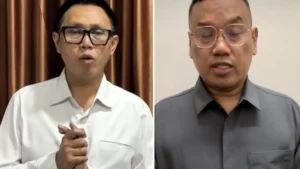
The political status of prominent public figures and politicians Eko Hendro Purnomo, widely known as Eko Patrio, and Surya Utama, popularly recognized as Uya Kuya, continues to be a subject of significant public interest. Following their official non-activation as members of the House of Representatives of the Republic of Indonesia (DPR RI) by the National Mandate Party (PAN), both lawmakers remain on temporary leave from their legislative duties. The leadership of PAN has reaffirmed that their administrative and functional status within the parliament has not changed, with party officials emphasizing that any future decisions regarding their political trajectory rest entirely within the strategic purview of the party’s central leadership.
The confirmation regarding the continued non-active status of the two celebrity-turned-politicians was delivered by the Deputy Chairman of PAN, Eddy Soeparno. Speaking to media representatives in Jakarta, Eddy underscored that the DPP PAN (Central Executive Board) has maintained its previous stance concerning the disciplinary and administrative measures applied to both members. The announcement brings a temporary halt to widespread speculation circulating across various media platforms regarding whether Eko Patrio and Uya Kuya would soon return to their desks at the parliamentary complex in Senayan.
Background Context of the Disciplinary Action
The decision to sideline two of its most recognizable legislative members did not occur in a vacuum. Late August marked a turbulent period for political parties represented in the Indonesian parliament, as external socio-political pressures, shifting public sentiments, and internal party evaluations converged. Both Eko Patrio and Uya Kuya transitioned from successful careers in the entertainment industry to mainstream politics, eventually securing seats in the DPR RI under the banner of the National Mandate Party. Their high public profiles made them effective vote-getters during election cycles, but it also placed them under intense public scrutiny once they assumed legislative responsibilities.
In late August 2025, the political landscape in Indonesia experienced heightened dynamics characterized by public demonstrations, policy debates, and rigorous evaluations of parliamentary performance and accountability. Political parties, including PAN, found themselves forced to navigate these turbulent waters carefully to preserve public trust. The decision to temporarily relieve Eko and Uya of their parliamentary duties was framed by the party as a necessary step to address evolving political realities and to demonstrate responsiveness to public sentiment.
Chronology of the Decision
The timeline of events leading up to the current administrative standstill began to crystallize in the final week of August 2025. As political tensions peaked, the leadership of the National Mandate Party convened emergency internal consolidation meetings to evaluate the party’s standing and the conduct of its faction members in the DPR.
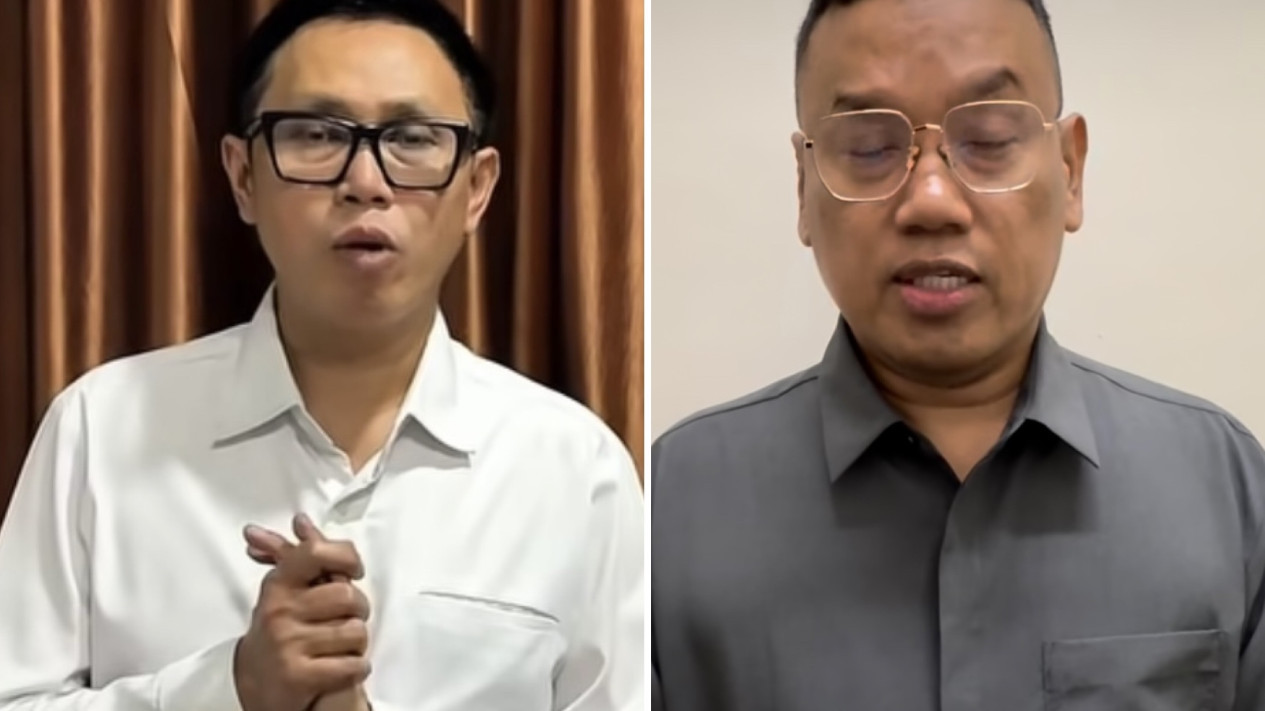
On Sunday, August 31, 2025, the DPP PAN officially released a formal press statement that caught many political observers by surprise. The document formally announced the decision to non-activate Eko Hendro Purnomo and Surya Utama from their positions as members of the DPR RI representing the PAN faction. Crucially, the official directive carried the signatures of PAN General Chairman Zulkifli Hasan and Deputy General Chairman Viva Yoga Mauladi, lending maximum administrative weight to the announcement.
According to the terms outlined in the press release, the administrative non-activation of both lawmakers officially took effect on Monday, September 1, 2025. From that date onward, Eko Patrio and Uya Kuya were barred from participating in parliamentary committee meetings, plenary sessions, and official representative duties until further notice from the party’s central command.
Official Statements and Party Stance
Addressing journalists in Jakarta, Eddy Soeparno—who also serves as a Deputy Speaker of the MPR RI alongside his role as Waketum PAN—provided clarity on the current state of affairs. When pressed on whether the disciplinary suspension would soon be lifted or converted into a permanent dismissal, Eddy maintained a measured and disciplined tone, pointing to the hierarchical structure of the party.
"Sejauh ini DPP PAN masih tetap statusnya menonaktifkan para anggota kita," stated Eddy Soeparno, reiterating that no new policy revisions have been adopted by the central board.
When asked about the roadmap for resolving the status of the two lawmakers, Eddy emphasized that the authority to determine their political future lies squarely in the hands of the party’s supreme leadership. He noted that any potential reinstatement or alternative disciplinary action would require direct authorization from PAN General Chairman Zulkifli Hasan, followed by formal coordination with the leadership of the PAN faction within the DPR.
"Perkembangannya tentu kami menunggu arahan selanjutnya dari ketua umum dan akan nanti dikomunikasikan kepada pimpinan fraksi PAN," Eddy explained to the press corps.
Beyond the administrative update regarding the two legislators, the original statement issued by the DPP PAN in late August contained a broader appeal to the electorate. The party called upon the public to remain calm, patient, and steadfast in their trust toward the administration of President Prabowo Subianto. Furthermore, PAN explicitly underscored its commitment to working hand in hand with the executive branch to ensure that legislative policies consistently prioritize the welfare and interests of the general populace.

Implications and Broader Political Impact
The ongoing suspension of Eko Patrio and Uya Kuya carries several noteworthy implications for both the National Mandate Party and the broader legislative ecosystem of the DPR RI.
First, from an organizational standpoint, PAN’s decision highlights the willingness of political parties to utilize internal disciplinary measures to manage public relations crises. In an era where the actions of individual politicians are instantly amplified across digital and social media, political parties are increasingly sensitive to reputational risks. By acting decisively to bench high-profile members during periods of public friction, party leadership seeks to insulate the broader party brand from localized controversies.
Second, the prolonged non-activation of two sitting lawmakers affects the legislative productivity and representation of their respective constituents. While non-active status is an internal party administrative mechanism rather than a formal legal revocation of a parliamentary mandate by the General Elections Commission (KPU), it effectively leaves a temporary vacuum in active constituent service and committee participation. Constituents who voted for Eko Patrio and Uya Kuya find themselves temporarily without their direct elected advocates present on the floor of the parliament.
Third, the handling of this case under the direct oversight of General Chairman Zulkifli Hasan demonstrates the centralized nature of decision-making within major Indonesian political parties. Unlike parliamentary systems where individual members enjoy significant autonomy from party whips, Indonesian political parties retain substantial control over the careers of their elected representatives, including the power to recall or sideline members who fall out of alignment with party strategies or public relations objectives.
Future Outlook
As the political calendar moves forward, the ultimate resolution of the Eko Patrio and Uya Kuya cases remains contingent upon internal party consensus and broader political evaluations within the ruling coalition. Political analysts suggest that PAN is likely to weigh the electoral utility, public sentiment, and internal stability of the party before making any definitive moves to either reinstate the two lawmakers or formalize their permanent separation from the legislature.
For now, however, both Eko Patrio and Uya Kuya remain in political limbo—retaining their formal titles as elected representatives on paper, but stripped of their legislative functions while awaiting the final verdict from the leadership of the National Mandate Party.