Socio Today
Indonesia’s Finance Minister, Purbaya Yudhi Sadewa, has publicly acknowledged President-elect Prabowo Subianto’s unconventional proposal for a custom-built, transparent presidential vehicle, affirming the government’s principal capacity to allocate funds should the request be formally submitted. The Minister’s remarks, made in Jakarta, shed light on the initial, informal nature of Prabowo’s vision, which seeks to enhance interaction with the public during official visits while ensuring the comfort of the head of state. This ambitious concept, if realized, would represent a significant departure from traditional presidential security protocols and vehicle designs, potentially showcasing the capabilities of Indonesia’s state-owned defense industry, PT Pindad.
Prabowo’s Vision: Bridging the Gap with the Electorate
The genesis of Prabowo Subianto’s unique vehicle concept emerged during his recent working visits to Nganjuk and Tuban, East Java. The President-elect observed an overwhelming public enthusiasm, with large crowds lining the streets eager to catch a glimpse of him. His current vehicle, the tactical Maung produced by PT Pindad, while robust and emblematic of domestic defense capabilities, does not offer the level of visibility Prabowo desires. He expressed a personal discomfort with remaining obscured behind tinted windows, feeling a strong imperative to connect more directly with the citizens who had gathered to greet him.
Prabowo, who will be 75 years old by the time he assumes office, articulated a practical need for a vehicle that allows him to remain seated comfortably during extended journeys while still appearing clearly visible, perhaps even giving the impression of standing, to the onlookers. "The people are so many on the streets, it’s not funny for the president to be inside a vehicle. I was forced to stand," Prabowo recounted during the inauguration of the Merah Putih Village/Sub-district Cooperative (Kopdes Merah Putih) in Nganjuk. He further elaborated, "I want a vehicle that has a seat but makes it look like I am standing. Is that okay? I am already 75 years old. I feel for the people who have waited a long time, but I am enthusiastic." This statement underscores a desire to maintain a high level of public engagement and accessibility, a hallmark of his populist appeal, without compromising his physical comfort or energy for official duties. The transparent design is thus conceived as a tool for political engagement, allowing for a more intimate visual connection between the leader and the led, fostering a sense of proximity and responsiveness.
Finance Ministry’s Response: Budgetary Readiness and Formalities
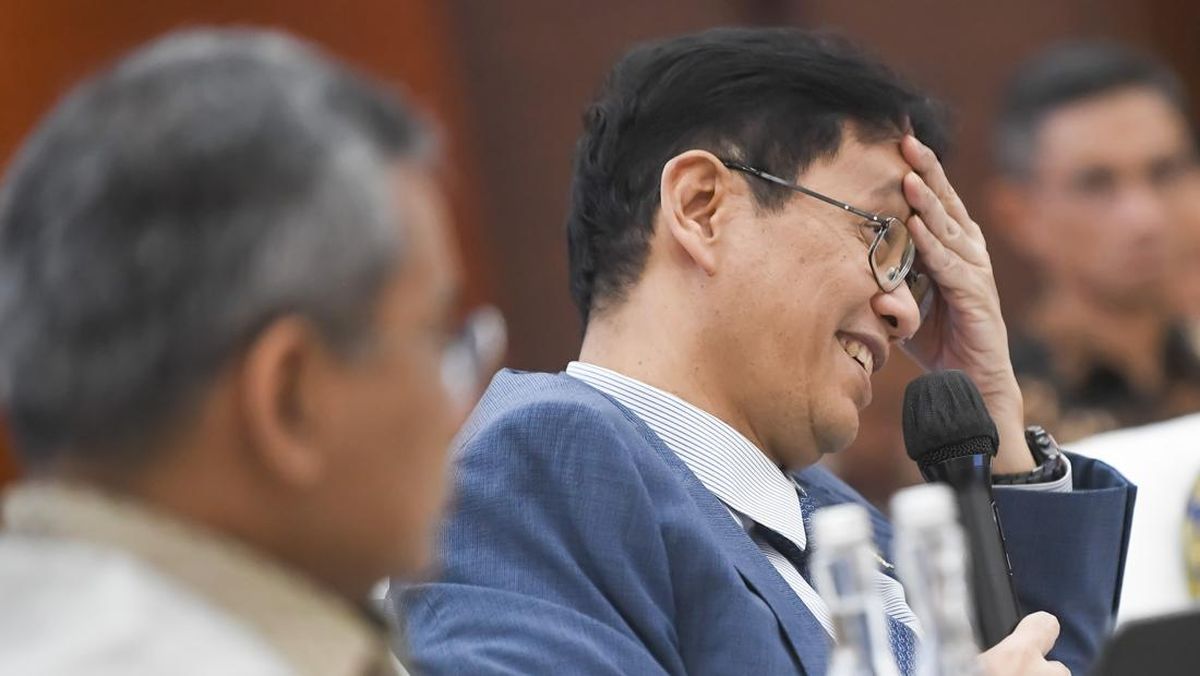
Finance Minister Purbaya Yudhi Sadewa confirmed that he had heard Prabowo’s wishes directly during an event in Tuban, East Java. While acknowledging the President-elect’s intention, Purbaya stressed that no formal instruction or official request for the specialized vehicle has yet been submitted to the Ministry of Finance. "There will definitely be funds if it’s permitted, if it is indeed requested, but there hasn’t been a formal request yet, has there?" Purbaya stated at the Directorate General of Taxation in South Jakarta. He added, "There hasn’t been an order [from Prabowo] in formal terms yet. We will see what it looks like later."
This pragmatic stance from the Finance Minister indicates that while the concept is intriguing, the government’s budgetary process requires a clear, detailed proposal before any allocation can be made. Purbaya hinted that discussions regarding the specific budget implications would be more comprehensively addressed during the Ministry’s regular "APBN Kita" (Our State Budget) press conferences, which provide updates on national fiscal policy and expenditure. The Ministry of Finance, as the custodian of the state budget (APBN), plays a critical role in scrutinizing and approving all government expenditures, ensuring fiscal prudence and adherence to budgetary laws. The process for procuring a presidential vehicle, especially one with bespoke features, would involve significant inter-ministerial coordination, detailed cost analysis, and potentially parliamentary oversight.
PT Pindad: A Domestic Champion Eyed for the Task
The choice of PT Pindad (Persero) as the envisioned manufacturer is highly significant. As a state-owned enterprise operating in the defense industry and manufacturing sector, Pindad embodies Indonesia’s ambition for self-reliance in strategic sectors. The company has a long history, dating back to the Dutch colonial era, and has evolved into a key player in supplying military and police equipment, including firearms, ammunition, and armored vehicles, both for domestic use and export.
Pindad’s recent success with the Maung tactical vehicle, which Prabowo himself uses as a service vehicle, demonstrates its capability in producing modern, rugged vehicles. The Maung, meaning ‘tiger’ in Sundanese, is a light tactical vehicle designed for various military operations, including reconnaissance, patrol, and rapid response. Its development and deployment underscore Pindad’s engineering prowess and commitment to supporting national defense. Tasking Pindad with designing and building a highly specialized presidential vehicle would not only align with Prabowo’s "Made in Indonesia" ethos but also provide a powerful platform to showcase Indonesian industrial and technological capabilities on a global stage. This move could stimulate domestic research and development in advanced materials and automotive engineering, creating a ripple effect across the local manufacturing ecosystem.
The Intricate Balance: Security vs. Transparency
The most profound implications of Prabowo’s vision revolve around the inherent tension between presidential security and public transparency. Presidential vehicles are not merely modes of transport; they are highly sophisticated mobile fortresses designed to protect the head of state from a myriad of threats, including ballistic attacks, improvised explosive devices (IEDs), chemical, biological, radiological, and nuclear (CBRN) agents, and even electronic jamming.
Traditional presidential limousines, such as the armored Mercedes-Benz S600 Guard and BMW 7 Series High Security used by previous Indonesian presidents, or the iconic "The Beast" of the US President, are characterized by their thick, opaque armor plating and specialized security features that prioritize protection above all else. The transparent armor used in such vehicles, while offering some visibility, is typically multi-layered, extremely heavy, and designed to withstand high-caliber rounds and blasts, often compromising complete clarity.
Creating a vehicle that is both highly transparent and provides head-of-state-level security presents immense engineering challenges.
- Ballistic Protection: Transparent armor, such as multi-layered polycarbonate or specialized glass laminates, needs to be incredibly thick and robust to stop rifle rounds and shrapnel. The thicker the armor, the heavier and less transparent it becomes, potentially distorting views. Achieving wide, clear, and unblemished transparent surfaces while maintaining top-tier ballistic protection is a formidable task.
- Blast Resistance: A transparent design might expose more structural points to potential IEDs or grenade attacks, requiring innovative reinforcement strategies that do not impede visibility.
- Counter-Surveillance and Evasion: Highly visible vehicles are easier targets for surveillance, targeting, and potential attacks. Security protocols typically involve minimizing predictability and presenting a less exposed target.
- Weight and Performance: Heavy armored vehicles require powerful engines, specialized chassis, and reinforced suspension systems. Adding extensive transparent armor would further increase weight, impacting maneuverability, speed, and fuel efficiency.
- Integrated Systems: Modern presidential vehicles integrate advanced communication systems, oxygen supplies, fire suppression, and emergency medical equipment. Ensuring these systems are seamlessly incorporated without compromising transparency is another design hurdle.
The Presidential Security Force (Paspampres), responsible for the personal safety of the President and Vice President, would undoubtedly play a crucial role in evaluating the feasibility and security implications of such a vehicle. Their primary directive is to ensure the absolute safety of the head of state, and any design that significantly increases vulnerability would face rigorous scrutiny. A compromise might involve strategic placement of transparent sections, perhaps in specific viewing areas, while maintaining robust protection for critical zones.
Historical Context of Indonesian Presidential Transport
Throughout Indonesia’s history, presidential transport has evolved to reflect changing security needs and technological advancements. Early presidents often used vehicles that were more symbolic of national pride or diplomatic relations. In recent decades, however, the focus has shifted decisively towards advanced security.
- Sukarno Era: The first president, Sukarno, famously used a variety of vehicles, including a 1959 Buick Electra and a 1962 Chrysler Imperial, some of which were gifts from foreign leaders. Security concerns were present but perhaps less overtly emphasized in vehicle design compared to today.
- Suharto Era: President Suharto utilized vehicles like the Mercedes-Benz 500SEL, eventually moving towards more robustly armored versions as global security threats increased.
- Post-Reformasi Era: Presidents like Megawati Sukarnoputri, Susilo Bambang Yudhoyono, and Joko Widodo have consistently relied on heavily armored, purpose-built vehicles, primarily Mercedes-Benz S600 Guard models, renowned for their unparalleled protection features against various forms of assault. These vehicles are essentially mobile bunkers, reflecting a global standard for heads of state in an increasingly complex threat environment.
Prabowo’s proposal for a transparent vehicle, while innovative in its intent for public interaction, marks a significant philosophical shift from this established trajectory of prioritizing maximum discreet protection. It challenges the conventional wisdom of presidential security by seeking to blend accessibility with the imperative of safeguarding the nation’s leader.
Financial and Economic Implications
While Minister Purbaya has indicated budgetary readiness, the actual cost of developing and producing such a bespoke, high-security, transparent vehicle by PT Pindad could be substantial. Research and development for specialized materials (e.g., advanced transparent armor), custom engineering, prototyping, and rigorous testing would require significant investment. This expenditure would be weighed against the broader economic context and other national priorities.
However, the investment could also yield significant benefits beyond just presidential transport. It could spur innovation within Pindad and the broader Indonesian defense industry, leading to advancements in materials science, automotive engineering, and security technologies that could be applied to other defense products or even civilian armored vehicles. This aligns with a national strategy of fostering domestic industrial growth and reducing reliance on foreign imports for strategic goods. The project could serve as a catalyst for local talent development and technological transfer within Indonesia.
Public Perception and Political Symbolism
The adoption of a transparent presidential vehicle would carry potent political symbolism for Prabowo’s incoming administration.
- Accessibility and Populism: It reinforces his image as a leader who wants to be close to the people, approachable, and transparent in his governance, echoing his campaign promises of a "people’s government."
- National Pride: A domestically produced, cutting-edge vehicle from PT Pindad would be a strong statement of national capability and pride, resonating with a public eager to see Indonesia excel on the global stage.
- Leadership Style: It could signal a more open and less detached style of leadership, contrasting with perceptions of leaders being sequestered in heavily guarded, opaque convoys.
Conversely, some might view it with skepticism, raising questions about security risks or potential extravagance. Critics might argue that while the sentiment of public connection is laudable, it should not come at the expense of the President’s safety, which is paramount for national stability. The narrative around the vehicle’s purpose and its security features would therefore be crucial in shaping public perception.
The Road Ahead: Design, Evaluation, and Realization
The path from Prabowo’s informal expression of desire to the actual realization of a transparent presidential vehicle is complex and multi-faceted. It will involve several critical stages:
- Formal Request and Design Brief: Prabowo’s office would need to submit a formal request to the relevant ministries, including the Ministry of Defense and the Ministry of Finance, outlining the detailed specifications and requirements for the vehicle.
- Feasibility Study by PT Pindad: Pindad would then undertake a comprehensive feasibility study, assessing the technical challenges, material requirements, engineering solutions, and estimated costs and timelines for development and production. This would involve close collaboration with security experts, including Paspampres.
- Security Protocol Integration: Any proposed design would undergo rigorous evaluation by national security agencies to ensure it meets the highest standards of presidential protection, potentially requiring innovative solutions to mitigate the inherent risks of transparency.
- Budgetary Allocation and Approval: Based on Pindad’s proposal and security assessments, the Ministry of Finance would then prepare a budget allocation, subject to approval by the parliament.
- Research, Development, and Production: If approved, Pindad would embark on the R&D and production phases, which could span several years given the complexity and bespoke nature of the project.
President-elect Prabowo Subianto’s aspiration for a transparent, domestically produced presidential vehicle is a bold articulation of his vision for a more accessible presidency. While the Finance Ministry has affirmed the government’s financial capacity, the ultimate realization of this concept will depend on navigating significant technical challenges, stringent security requirements, and the intricate processes of government procurement and budgetary approval. Should it come to fruition, this unique vehicle would not only serve as a means of transport but also as a powerful symbol of national industrial capability and a new era of presidential engagement in Indonesia.