Socio Today
The Museum Wayang, nestled within Jakarta’s historic Old Town (Kota Tua), is undergoing a significant transformation, shedding its traditional image of being dim, musty, and perhaps even eerie. Instead, it is emerging as a dynamic hub for cultural education, inviting visitors to explore the rich world of wayang, a cornerstone of Indonesian tradition, through contemporary and engaging methods. This revitalized approach aims to preserve and promote the intricate art form, ensuring its relevance for future generations.
A Historical Crossroads: From Colonial Church to Cultural Repository
The very foundation of the Museum Wayang is steeped in history, a testament to Jakarta’s layered past. The building itself, located near the renowned Jakarta History Museum (Museum Fatahillah), was not always a repository for cultural artifacts. Its origins trace back to the colonial era, specifically to the Oude Hollandsche Kerk (Old Dutch Church), also known as Kruiskerk, established in 1632. This religious edifice underwent reconstruction and was re-consecrated in 1736. However, the passage of time and a significant earthquake in 1808 led to its dismantling and sale.
The structure subsequently served various utilitarian purposes, including as a warehouse, before its potential as a cultural showcase was recognized. In 1939, it was repurposed as the Stedelijk Museum (City Museum). Later, in 1962, it became the Museum Jakarta Lama (Old Jakarta Museum). Finally, on August 13, 1975, the building was officially inaugurated as the Museum Wayang, dedicated to preserving and exhibiting Indonesia’s diverse puppet traditions.
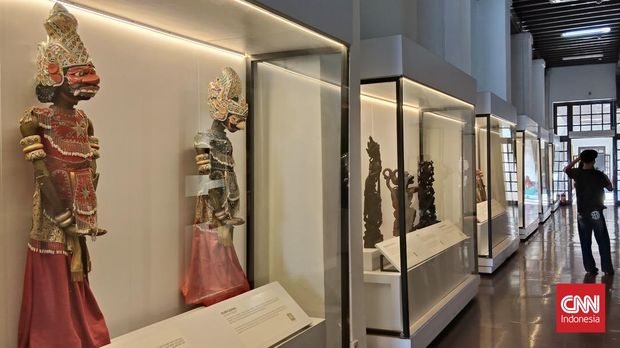
The museum’s entrance immediately sets a tone of grandeur and historical significance. Visitors are greeted by imposing life-sized figures of prominent wayang characters, such as Ramawijaya, Rahwana, and Duryudana, standing sentinel on the left. Opposite them, a historical narrative detailing the museum’s establishment unfolds, offering a glimpse into its transformative journey. Even remnants of its ecclesiastical past are visible; the presence of tombstones and a vacant garden area serves as a poignant reminder of the Dutch cemetery that once occupied the site. This cemetery was the final resting place for significant VOC figures, their families, and soldiers, including Governor-General Jan Pieterszoon Coen (1627-1629), underscoring the deep historical strata of the location.
A Kaleidoscope of Wayang: Local Diversity and Global Connections
The Museum Wayang is meticulously organized into distinct zones, guiding visitors through the multifaceted world of wayang. From its historical evolution to its diverse regional manifestations and international influences, each section offers a unique educational experience.
The initial zones delve into the rich tapestry of Indonesian wayang. While West Java is widely recognized for its Wayang Golek, the museum showcases that this art form is not confined to a single region. Exhibits feature Wayang Golek Menak Kebumen and Wayang Golek Menak Pekalongan, highlighting regional variations. Similarly, within West Java itself, distinctions like Wayang Golek Pakuan Bogor and Wayang Golek Cepak Cirebon are presented.
Adjacent to these displays, visitors encounter Wayang Klithik, a unique form crafted from thin layers of wood. Its name is derived from the distinctive "klithik-klithik" sound produced when these wooden pieces strike each other during a performance. This sonic characteristic is an integral part of the wayang klithik experience, adding another sensory dimension to its appreciation.
Venturing Beyond Java: A National and International Panorama
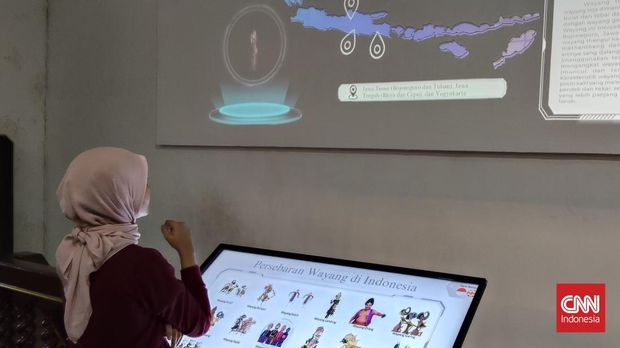
The museum’s second floor broadens the scope, moving beyond the Javanese heartland to explore the national and international presence of wayang and related puppet traditions. Here, interactive touchscreens become central to the learning process. Visitors can delve into the intricacies of Wayang Potehi, Wayang Palembang, Wayang Papua, and Wayang Sasak, among others. While the visual information primarily consists of location maps and textual representations of audio content, the potential for more immersive visual aids, such as performance clips, is evident. Such additions would undoubtedly enhance the visitor’s understanding of the diverse cultural contexts from which these traditions emerge.
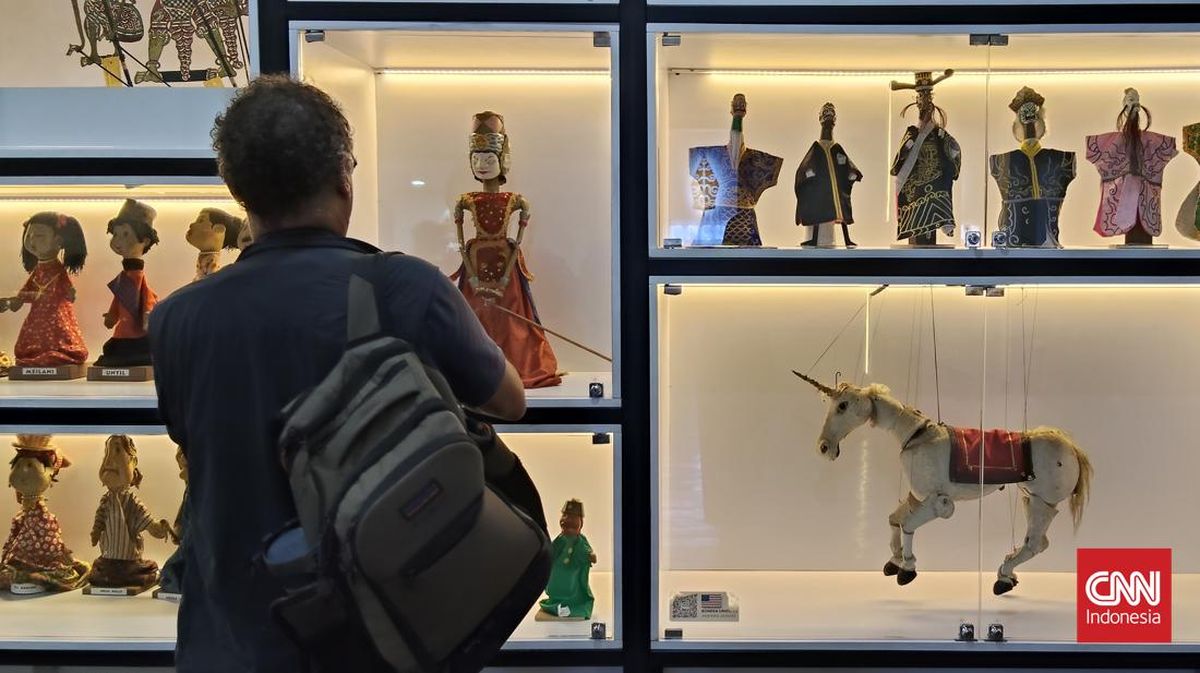
The international section is particularly illuminating, showcasing how the art of puppetry, inspired by Indonesian wayang, has been adapted and integrated into various cultures worldwide. The museum displays a fascinating array of puppets and artifacts from countries including India, the Czech Republic, Suriname, Cambodia, Sweden, the United States, South Korea, Sri Lanka, the United Kingdom, France, Russia, Vietnam, Thailand, and Malaysia. This global perspective underscores the universal appeal and adaptability of puppetry as a storytelling medium.
Among the unique exhibits is Wayang Wahyu, a contemporary creation developed by Broeder Timotheus Wignyosubroto, a monk from Surakarta, in 1959. Brought to life by dalang (puppeteer) Rusradi in 1960, Wayang Wahyu serves as a distinctive tool for disseminating the teachings of Catholicism, demonstrating how traditional art forms can be recontextualized for new pedagogical purposes.
Another compelling display is Wayang Revolusi (Revolutionary Wayang) or Wayang Perjuangan (Struggle Wayang). These puppets represent iconic figures from Indonesia’s struggle for independence, such as Soekarno and Mohammad Hatta. Their attire often reflects the modern fashion of the independence era, visually linking the historical narrative of nation-building with the enduring art of wayang.
Embracing Technology: Immersive Experiences for a Modern Audience
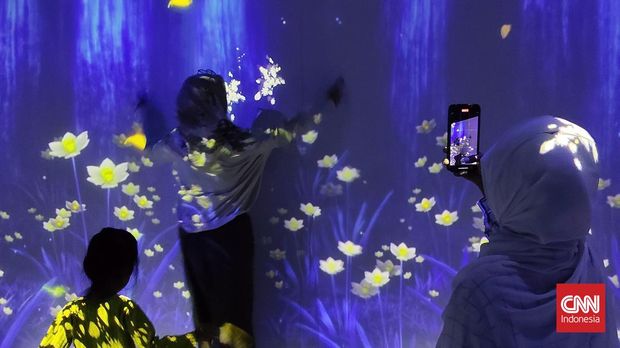
Recognizing the evolving expectations of museum-goers, the Museum Wayang has strategically integrated modern technology to enhance its educational offerings. The Immersive Room stands out as a key attraction, designed to transport visitors directly into the heart of wayang narratives. Through a captivating blend of visual and auditory elements, visitors can experience a 360-degree cinematic portrayal of wayang performances. This innovative approach allows for a deeply engaging and memorable encounter with the art form.
Beyond the Immersive Room, the museum features an Interactive Arena and an Interactive Ramp, further encouraging visitor participation and engagement. These spaces are designed to provide hands-on experiences, allowing individuals to explore different facets of wayang in a dynamic and stimulating environment. Importantly, access to these advanced facilities is included with general admission, with visitors simply needing to register and adhere to scheduled time slots.
The Immersive Room operates on a schedule designed to accommodate a steady flow of visitors. From Tuesday to Friday, sessions are available between 09:30 and 15:00 WIB. On weekends, from Saturday to Sunday, the operating hours extend to 09:30 until 18:00 WIB. Sessions are organized in 30-minute intervals, ensuring that a significant number of visitors can experience this unique offering.
The Museum Passport: A Gamified Exploration
For avid museum enthusiasts, the Museum Wayang offers a "Museum Passport" program, adding an element of gamification to the visit. Visitors are encouraged to collect three distinct stamps, each featuring a unique design, from museum staff. This initiative not only incentivizes a thorough exploration of the museum’s offerings but also serves as a tangible keepsake of the visitor’s cultural journey.
Broader Context and Implications
The revitalization of the Museum Wayang is more than just an update to its exhibits; it represents a strategic effort to ensure the continued cultural significance of wayang in contemporary Indonesia. Wayang, with its deep roots in philosophy, morality, and entertainment, has long served as a vital medium for transmitting cultural values and historical narratives. However, in an era dominated by digital media and fast-paced lifestyles, traditional art forms often face the challenge of maintaining audience engagement.
The Museum Wayang’s proactive approach, blending historical preservation with modern technological integration and interactive experiences, offers a compelling model for cultural institutions worldwide. By making wayang accessible and exciting for younger generations and those less familiar with its intricacies, the museum is not only safeguarding a precious heritage but also fostering a new appreciation for its artistic and educational value. The success of this model could inspire similar initiatives in other cultural sectors, demonstrating that tradition and innovation can harmoniously coexist to preserve and promote cultural legacies. The museum’s efforts underscore a broader national commitment to cultural diplomacy and heritage preservation, positioning Indonesia as a custodian of rich and diverse artistic traditions on the global stage.