Socio Today
Jakarta, Indonesia – The Ministry of Communication and Digital (Komdigi) has confirmed that the nationwide implementation of facial biometric SIM card registration, three weeks into its full rollout, has not negatively impacted the sales of new cellular starter packs. This robust verification system, mandatory for all new mobile subscribers since July 1, 2026, marks a significant stride in Indonesia’s efforts to fortify its digital ecosystem against fraud and enhance national security. Despite the stricter requirements, daily sales of new SIM cards have remained remarkably stable, hovering between 250,000 and 300,000 units per day, a figure consistent with pre-biometric implementation levels.
Edwin Hidayat Abdullah, Komdigi’s Director General for the Digital Ecosystem, articulated this stability during a press briefing in Jakarta on Thursday, July 23, 2026. "The sales figures are largely comparable to the period before full biometric implementation," Edwin stated, acknowledging that these numbers naturally cannot be benchmarked against the "dark ages" of unchecked, mass SIM card activations that characterized the market before stricter regulations were introduced. "At this level, sales remain quite healthy, indicating a smooth transition and acceptance of the new system by the public and vendors alike."
The Evolution of SIM Card Registration: From Anonymity to Biometrics
The journey towards biometric SIM card registration in Indonesia is a testament to the government’s unwavering commitment to building a secure and trustworthy digital environment. Prior to 2017, the Indonesian telecommunications landscape was plagued by an alarming lack of regulation regarding SIM card activation. Subscribers could acquire and activate multiple SIM cards without any verifiable identity, leading to widespread misuse. This era of anonymity fueled a surge in fraudulent activities, including spam calls and SMS, online scams, identity theft, and even facilitating more severe criminal enterprises, making it exceedingly difficult for law enforcement to trace perpetrators. The sheer volume of unregistered SIMs created a chaotic digital frontier, undermining consumer trust and posing significant national security risks.
Recognizing the urgent need for reform, the government, through Komdigi, introduced a mandatory SIM card registration policy in October 2017. This groundbreaking policy required all new and existing mobile subscribers to register their SIM cards using their National Identity Card (NIK) and Family Card (KK) numbers. While this initial step was revolutionary in its intent, aiming to link every active SIM card to a verifiable identity, it was not without its limitations. The NIK/KK system, while a vast improvement, still presented vulnerabilities. Cases of individuals using others’ NIK/KK data without consent, or even fabricating data, continued to surface. Furthermore, the system initially allowed an individual to register up to three SIM cards per operator using a single NIK, and later, effectively unlimited numbers, which, while tied to an NIK, still lacked a robust, foolproof verification mechanism to confirm the actual user’s identity at the point of activation. These loopholes meant that while a name was attached to a number, proving the physical presence and consent of that individual during registration remained a challenge, leaving room for proxy registrations and identity exploitation.
The implementation of biometric registration, specifically facial biometrics, is thus a natural and necessary evolution of the Know Your Customer (KYC) principle in the digital age. It addresses the inherent limitations of the NIK/KK system by adding an irrefutable layer of identity verification. By matching the facial biometrics of the applicant against the comprehensive database of the Directorate General of Population and Civil Registration (Dukcapil), the system ensures that the person registering the SIM card is indeed the legitimate holder of the NIK/KK being used. This move aligns Indonesia with a growing number of nations worldwide, such as India, Pakistan, Nigeria, and Bangladesh, that have adopted biometric verification for SIM card registration to combat digital crime and enhance national digital security.
A Detailed Timeline of Implementation and Oversight
The journey to full biometric registration has been meticulously planned and executed:
- October 2017: Mandatory SIM card registration using NIK and KK numbers officially commences across Indonesia, marking the first major step towards digital identity verification for mobile users.
- Early 2020s (Inferred): Pilot projects for biometric registration likely begin, testing the technology and integration with Dukcapil databases, allowing operators to refine their systems and processes.
- July 1, 2026: The full implementation of facial biometric registration becomes mandatory for all new SIM card activations. This date signifies a critical turning point, as the legacy NIK/KK registration methods without biometric verification are officially phased out for new subscribers.
- July 1-23, 2026: The initial three-week period of full implementation, during which Komdigi actively monitors compliance and addresses emerging challenges.
- July 23, 2026: Edwin Hidayat Abdullah provides an update on the stable sales figures and details the compliance challenges encountered and resolved. On the same day, a significant joint declaration of commitment to biometric registration is made by Komdigi and major cellular operators.
Komdigi’s proactive approach to implementation was highlighted by Director General Edwin Hidayat Abdullah, who revealed that he personally conducted on-the-ground monitoring in various regions to observe the biometric registration process firsthand. This direct engagement proved crucial in identifying and addressing early compliance challenges.
Initial Hurdles and Proactive Enforcement
Despite the comprehensive planning, the initial phase of biometric implementation was not entirely without its challenges. Komdigi’s field monitoring quickly uncovered several instances of non-compliance and attempts to circumvent the new regulations. One notable violation involved unscrupulous vendors who would pre-activate new SIM cards using their own biometric data before selling them to customers. Once the card was sold, the vendor would then "unregister" the SIM, effectively disassociating it from their identity. This illicit practice meant that the SIM card, now in the hands of the actual customer, was no longer legitimately registered under the user’s name, defeating the purpose of the biometric verification. Such actions, if left unchecked, could have severely undermined the integrity of the new system.
Even more concerning was the discovery of lingering "loopholes" in the legacy registration mechanisms. Edwin recounted how, on the second day of the full biometric rollout, despite official website and system channels for NIK/KK registration being shut down, some registrations were still successfully processed through the old SMS gateway to the 4444 short code. This revelation indicated that not all cellular operators had fully eliminated these legacy channels, allowing customers to bypass the new biometric verification requirement. "What happened was, on the second day when full biometric registration was effective, the website and system were already closed, but registrations were still getting through via the SMS system to 4444. Not a single cellular operator had successfully eliminated NIK and KK without biometric verification through this channel," Edwin explained.
In response to these findings, Komdigi acted swiftly and decisively. Edwin confirmed that he dispatched "love letters" – a euphemism for firm official directives – to all cellular operators. The message was unequivocal: "This is no longer negotiable, and all loopholes must be closed immediately." This direct intervention underscored Komdigi’s zero-tolerance policy towards non-compliance and its commitment to ensuring the complete and uncompromised implementation of the biometric system. The ministry subsequently mandated all cellular operators to immediately shut down any remaining registration pathways that allowed for the use of NIK and KK mechanisms without the required biometric verification. This rapid enforcement mechanism was vital in plugging vulnerabilities and ensuring the robustness of the new security framework.
Industry’s Unified Front: A Pledge for Digital Security
The commitment to a secure digital future was further solidified on the same day as Komdigi’s update. In a significant display of unity and shared purpose, Komdigi, alongside Indonesia’s leading cellular operators – Indosat Ooredoo Hutchison, Telkomsel, and XL Axiata (often referred to as XLSmart in the article) – collectively declared their unwavering commitment to fully implement biometric-based customer registration. This public declaration served as a powerful statement to both consumers and potential fraudsters, emphasizing the industry’s dedication to the new security paradigm.
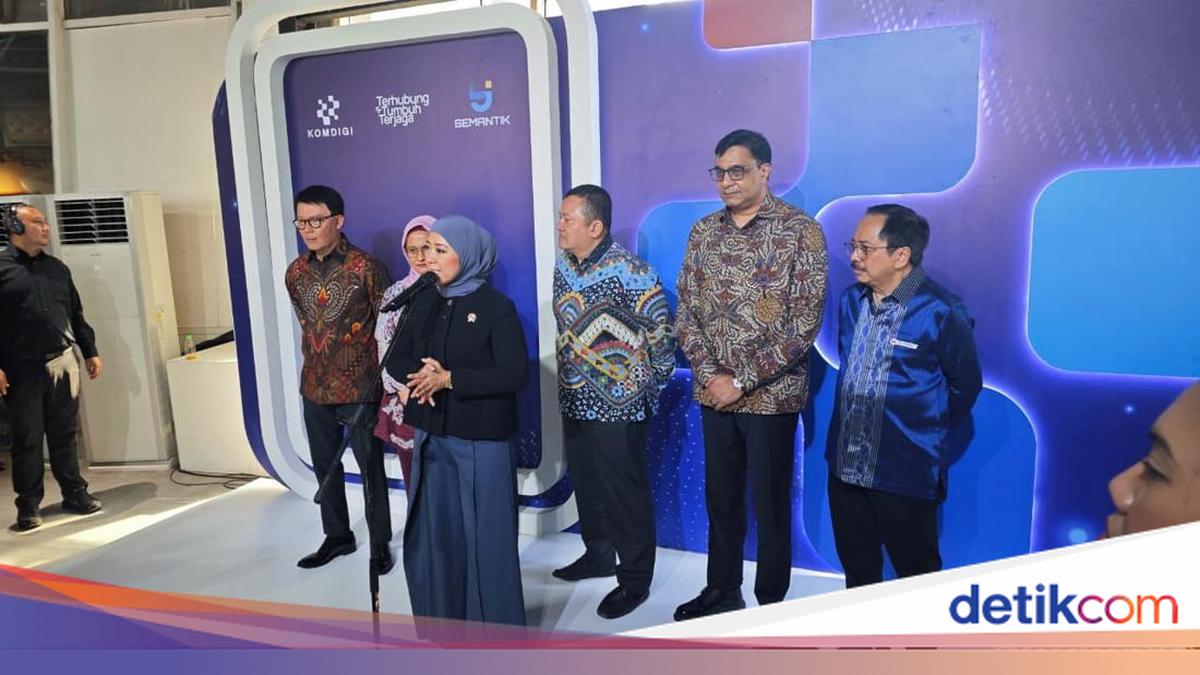
The declaration ceremony was graced by the presence of high-ranking officials, including the Minister of Communication and Digital, Meutya Hafid, and the Chairperson of the Association of Indonesian Telecommunications Operators (ATSI), Dian Siswarini. Their presence underscored the national importance of this initiative and the collaborative spirit driving its success.
Dian Siswarini, representing the collective voice of Indonesia’s telecommunications providers, emphasized the profound significance of biometric customer registration. She stated that this initiative represents a critical step in strengthening the fundamental principles of Indonesia’s digital ecosystem, making it inherently more secure, trustworthy, and responsible. "The government, ATSI, and all telecommunication operators reaffirm this commitment through concrete steps in implementing biometric data-based customer registration. Therefore, we are very committed to carrying out this biometric registration," Siswarini affirmed. Her remarks highlight the industry’s recognition of its crucial role in fostering a safe digital environment, acknowledging that robust identity verification is the bedrock upon which a thriving digital economy can be built.
The declaration not only cemented the operators’ pledge to enforce the biometric system but also signaled a unified front against digital crime. It demonstrated that the industry understands its responsibility extends beyond providing connectivity, encompassing the protection of customer data and the integrity of the digital space.
Key Data and Market Dynamics
Indonesia’s telecommunications market is one of the largest and most dynamic in Southeast Asia. With a population exceeding 280 million, the country boasts a mobile penetration rate that often surpasses 100%, meaning there are more active SIM cards than individual citizens. Estimates suggest over 350 million active SIM cards, making the integrity of their registration paramount. The daily sales of 250,000 to 300,000 new SIM cards represent a substantial ongoing influx into this vast subscriber base, underscoring the continuous need for stringent verification processes.
The Dukcapil database, managed by the Ministry of Home Affairs, is the cornerstone of this biometric verification system. It contains the biometric records of virtually all Indonesian citizens, providing a robust and centralized platform for identity matching. The system leverages this national database to perform real-time verification, ensuring that the facial scan captured during SIM registration accurately matches the identity data linked to the NIK. This direct integration with a government-mandated identity database makes the biometric system highly secure and difficult to bypass.
The stability of new SIM card sales, despite the added layer of biometric verification, suggests a high level of public compliance and adaptation. This is a crucial indicator of the policy’s success, demonstrating that the enhanced security measures are not unduly hindering market activity or consumer access to mobile services. It also reflects effective communication and implementation strategies by Komdigi and the operators to educate both vendors and consumers about the new requirements.
Broader Implications: Securing Indonesia’s Digital Future
The implementation of biometric SIM card registration carries profound implications for various stakeholders and the broader digital landscape of Indonesia:
For Consumers:
The primary benefit for consumers is enhanced security. By linking SIM cards directly to verified biometric identities, the risk of identity theft, fraudulent online transactions, and targeted scams is significantly reduced. This fosters greater trust in digital services, including e-commerce, mobile banking, and digital payment platforms. While the initial registration process might require a few extra minutes, the long-term benefits of a safer digital environment far outweigh this minor inconvenience. Komdigi’s explicit assurance that facial biometric data is not stored by operators or the ministry, but solely used for real-time verification against the Dukcapil database, is critical in addressing potential privacy concerns. This approach aligns with best practices in data protection, ensuring that sensitive biometric information is used only for its intended purpose and not retained, thereby minimizing the risk of data breaches. This principle is further reinforced by Indonesia’s Personal Data Protection (PDP) Law, which sets clear guidelines for the handling of sensitive personal information.
For Cellular Operators:
While implementing the new system required significant investment in technology upgrades, staff training, and compliance infrastructure, operators stand to benefit from a cleaner, more reliable subscriber base. Reduced instances of fraud, spam, and unverified accounts lead to improved network quality, better customer service, and a stronger reputation. It also simplifies regulatory compliance and reduces potential liabilities associated with illicit activities conducted through unverified SIM cards. The commitment declared by Telkomsel, Indosat Ooredoo Hutchison, and XL Axiata reflects their understanding that a secure ecosystem ultimately benefits their business model by fostering greater trust and engagement from their customers.
For National Security and the Digital Economy:
From a national security perspective, biometric SIM card registration is a powerful tool in combating various forms of crime, including terrorism, cybercrime, and organized fraud. The ability to accurately trace a SIM card to a verifiable individual significantly aids law enforcement agencies in their investigations. For Indonesia’s burgeoning digital economy, which includes a rapidly expanding fintech sector and a vibrant e-commerce market, this enhanced security framework is foundational. It instills confidence among investors, businesses, and consumers, paving the way for further digital innovation and economic growth. A secure digital identity infrastructure is a prerequisite for a trusted digital economy, and this policy is a major step in that direction.
Looking Ahead: The Path to Full Digital Identity Integration
The successful rollout of biometric SIM card registration is not merely an isolated policy but a crucial component of Indonesia’s broader digital transformation agenda. It represents a significant step towards a more comprehensive digital identity framework, where an individual’s online presence is securely linked to their verified real-world identity. Komdigi’s ongoing vigilance and proactive measures, as demonstrated by Edwin Hidayat Abdullah’s field monitoring and immediate crackdown on loopholes, will be essential for the sustained success of the program.
Future efforts will likely focus on continuous monitoring for new evasion tactics, refining the verification process for even greater efficiency, and potentially integrating this robust identity verification mechanism into other critical digital services. The commitment from all stakeholders – government, regulators, and telecommunications operators – signals a unified vision for a safer, more transparent, and more responsible digital future for Indonesia. This foundation of trust, built on verifiable digital identities, is indispensable as Indonesia continues its journey towards becoming a leading digital economy in the global landscape.