Socio Today
Coordinating Minister for Food, Zulkifli Hasan, has set an ambitious target for the Village/Sub-district Merah Putih Cooperatives (Kopdes Merah Putih, or KDMP) to commence the centralized distribution of government social assistance (bansos) by September 2026. This significant announcement follows a limited cabinet meeting convened by President Prabowo Subianto at the Presidential Palace in Jakarta on Thursday, July 23. The initiative aims to streamline and enhance the efficiency of social aid delivery across the archipelago, marking a pivotal shift in the government’s approach to welfare programs.
The Vision Behind Kopdes Merah Putih
The establishment of Kopdes Merah Putih represents a strategic move by the Indonesian government to empower local institutions and ensure more effective, transparent, and direct disbursement of social aid. Traditionally, social assistance programs in Indonesia have been managed through various channels, sometimes leading to logistical complexities, administrative bottlenecks, and challenges in reaching the intended beneficiaries efficiently. The KDMP model seeks to consolidate these efforts by designating village and sub-district level cooperatives as the primary, centralized hubs for all government social assistance. This framework is envisioned to leverage the existing community networks and localized knowledge inherent in cooperatives, fostering greater accountability and community participation in welfare programs.
Indonesia, as a vast archipelagic nation with diverse socio-economic landscapes, has long grappled with the intricacies of social aid distribution. Programs such as the Family Hope Program (PKH), Non-Cash Food Assistance (BPNT), and various forms of rice assistance have been crucial in supporting vulnerable populations. However, issues like data inaccuracies, geographical challenges, and the potential for bureaucratic inefficiencies have often hampered their full impact. The KDMP initiative directly addresses these concerns by proposing a grassroots-level infrastructure capable of managing the entire lifecycle of social assistance, from data verification to final delivery. By centralizing distribution through cooperatives, the government aims to reduce leakage, improve targeting accuracy, and ensure that aid reaches those who need it most, directly and without undue delay. This approach aligns with broader national development goals of strengthening the cooperative sector as a pillar of the people’s economy, as enshrined in Indonesia’s economic philosophy.
Presidential Endorsement and Policy Framework
The urgency and importance of the KDMP initiative were underscored by President Prabowo Subianto’s decision to personally convene a limited cabinet meeting dedicated to its discussion. The meeting, which lasted approximately 3.5 hours, from 12:30 PM to 4:00 PM Western Indonesian Time (WIB), brought together key ministers and officials whose portfolios are directly relevant to the implementation of such a large-scale program. This presidential-level engagement signifies a strong commitment from the highest echelons of government to accelerate the realization of the KDMP vision.
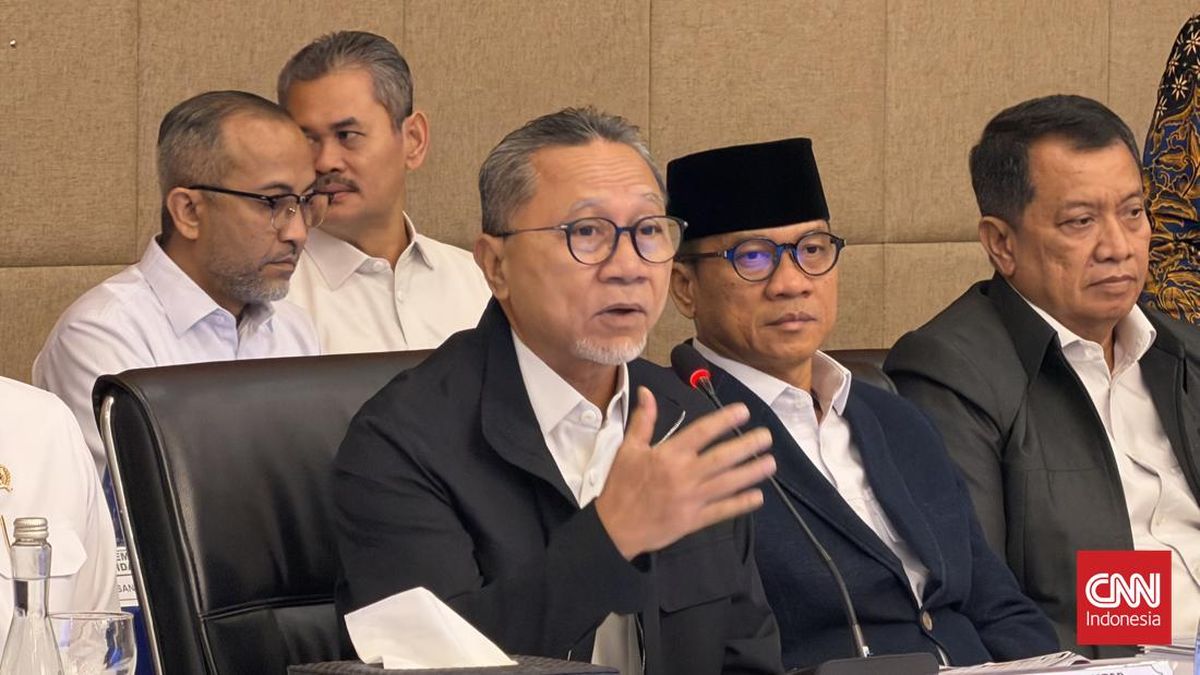
During the meeting, Coordinating Minister Zulkifli Hasan, affectionately known as Zulhas, reiterated the government’s timeline. "We estimate operations will begin in September [2026]," Zulhas stated, emphasizing the meticulous planning and preparation required to achieve this target. A critical component of this preparation is the drafting of a comprehensive Presidential Regulation (Perpres) that will govern the operational framework, governance structure, and inter-agency coordination for KDMP. This Perpres is crucial for providing the legal and administrative foundation necessary for the cooperatives to function effectively as central social aid distributors. The government aims to finalize this Perpres within the current week, indicating a rapid pace of policy development to support the initiative. The speedy finalization of the regulation will be essential to allow sufficient time for training, infrastructure development, and pilot programs before the ambitious 2026 operational deadline.
Operational Scale and Ambitious Targets
The scope of the KDMP program is extensive, with Zulkifli Hasan projecting that approximately 25,000 Village/Sub-district Merah Putih Cooperatives will be operational and ready to distribute social assistance by September 2026. This figure represents a substantial portion of Indonesia’s over 83,000 villages and urban sub-districts, indicating an intent for widespread coverage across the nation. The establishment and operationalization of such a large number of cooperatives within a relatively short timeframe will necessitate massive logistical coordination, capacity building, and technological integration.
The target of 25,000 KDMPs implies a strategic rollout, potentially prioritizing areas with higher concentrations of beneficiaries, greater logistical challenges, or existing strong cooperative foundations. Each operational KDMP is expected to serve as a micro-hub, equipped with the necessary administrative and possibly digital infrastructure to manage beneficiary data, receive funds, and distribute various forms of assistance. This localized presence is designed to minimize travel burdens for beneficiaries, particularly in remote areas, and to provide a more personalized point of contact for inquiries and feedback. The sheer scale of this undertaking highlights the government’s ambition to transform the landscape of social welfare delivery, moving towards a more decentralized yet centrally coordinated system.
The Rationale for Centralized Distribution
The core principle behind centralizing social assistance distribution through KDMP is to enhance efficiency, transparency, and accountability. Zulkifli Hasan explicitly stated, "All government social assistance will later be channeled through Kopdes. Centralized at Kopdes." This means that instead of multiple government agencies or programs using different distribution mechanisms, all aid will flow through a single, unified channel at the local level.
This centralization offers several key advantages:
- Improved Targeting: By consolidating beneficiary data at the cooperative level, it becomes easier to identify and verify eligible recipients, reducing errors of inclusion and exclusion. Local cooperatives, with their intimate knowledge of the community, are well-positioned to ensure aid reaches the truly needy.
- Reduced Administrative Overhead: A unified distribution system can significantly cut down on redundant administrative processes, paperwork, and logistical costs associated with managing multiple parallel channels.
- Enhanced Monitoring and Evaluation: Centralization facilitates better tracking of aid disbursement, allowing for more robust monitoring and evaluation of program effectiveness. This data can then be used to inform future policy adjustments and resource allocation.
- Increased Transparency: Operating through established local cooperatives can foster greater transparency, as community members themselves are involved in the process, making it harder for corruption or misuse of funds to occur unnoticed.
- Community Empowerment: By entrusting cooperatives with this vital role, the initiative also serves to strengthen these local economic institutions, enhancing their capacity, credibility, and overall contribution to local development. This aligns with the cooperative movement’s ethos of self-help and mutual cooperation.
Inter-Ministerial Collaboration and Policy Development
The limited cabinet meeting convened by President Prabowo showcased a strong emphasis on inter-ministerial collaboration, which is crucial for the successful implementation of the KDMP program. The diverse array of ministers present highlighted the multi-faceted nature of the initiative, cutting across various government functions. Attendees included:
- Minister of Cooperatives and SMEs, Ferry Juliantono: His ministry will play a central role in strengthening the capacity of cooperatives to undertake this new responsibility, providing training, technical assistance, and regulatory guidance.
- Coordinating Minister for Food/Agriculture, Zulkifli Hasan: As the one making the announcement, he likely coordinates the overall strategy and integration with food security programs.
- Coordinating Minister for Human Development and Culture, Muhaimin Iskandar: His ministry oversees broader social welfare and human development policies, ensuring the KDMP aligns with national objectives in these areas.
- Minister of State Secretary, Pratikno: Responsible for supporting the President and managing cabinet affairs, his presence underscores the presidential mandate and the need for seamless government coordination.
- Deputy Minister of Finance, Purbaya Yudhi Sadewa: Representing the Ministry of Finance, his involvement is critical for ensuring the necessary budgetary allocations, financial management frameworks, and fiscal sustainability of the KDMP program. (It is noteworthy that the Minister of Finance, Sri Mulyani Indrawati, typically leads such discussions, but the Deputy Minister’s presence signifies the ministry’s engagement.)
- Deputy Minister of State-Owned Enterprises II, Donny Oskaria: From the Ministry of SOEs, his presence suggests potential roles for state-owned enterprises in supporting KDMP, perhaps through logistics, digital infrastructure, or financial services.
This broad ministerial representation indicates a whole-of-government approach, recognizing that the success of KDMP depends on synchronized efforts across various sectors, from finance and cooperatives to social affairs and regional administration. The swift drafting of the Presidential Regulation, targeted for completion within the week, further exemplifies the coordinated drive to lay down the necessary legal and operational groundwork without delay.
Potential Benefits: Efficiency, Transparency, and Empowerment
The proposed KDMP framework holds the promise of ushering in a new era for social assistance delivery in Indonesia. Beyond mere efficiency, the system is designed to cultivate greater transparency and empower local communities. By placing the responsibility for distribution directly into the hands of village and sub-district cooperatives, the government aims to localize accountability. Community members, who are often members or directly linked to these cooperatives, will have a more direct oversight of the process, which could significantly reduce opportunities for corruption or misdirection of funds.
Furthermore, strengthening cooperatives through this initiative can have a ripple effect on local economies. As cooperatives become central to social welfare, they might also expand their services, engage in local procurement, and create employment opportunities within the community. This aligns with the broader objective of fostering self-reliance and sustainable development at the grassroots level. The direct interaction between beneficiaries and the cooperatives could also lead to better feedback mechanisms, allowing for continuous improvement and adaptation of social assistance programs to local needs. This localized approach is particularly vital in a country as diverse as Indonesia, where one-size-fits-all solutions often fall short.
Navigating the Challenges Ahead
While the vision for KDMP is compelling, its implementation will undoubtedly face significant challenges. The establishment and operationalization of 25,000 functional cooperatives capable of handling complex financial and logistical tasks require meticulous planning and execution. Key challenges include:
- Capacity Building: Many existing cooperatives, particularly in remote areas, may lack the administrative capacity, financial literacy, and technological infrastructure required for managing large-scale social assistance programs. Extensive training programs, technical assistance, and ongoing support will be essential.
- Data Integration and Technology: A robust, secure, and integrated digital platform will be needed to manage beneficiary data, track disbursements, and ensure interoperability with national databases. This requires significant investment in technology and digital literacy training for cooperative staff.
- Logistical Hurdles: Indonesia’s geography presents unique logistical challenges. Ensuring timely and secure delivery of assistance, especially in remote or disaster-prone areas, will require sophisticated logistics networks and partnerships.
- Funding and Financial Management: Adequate funding must be allocated not only for the social assistance itself but also for the operational costs, training, and infrastructure development of the KDMPs. Robust financial management systems and oversight will be crucial to prevent misuse of funds.
- Regulatory Framework and Oversight: While the Presidential Regulation is being drafted, its effectiveness will depend on clear guidelines, strong enforcement mechanisms, and independent oversight to ensure adherence to standards and address grievances.
- Public Awareness and Trust: Building public trust in this new centralized system will be paramount. Effective communication campaigns and demonstrable success in initial phases will be critical to garnering community acceptance and participation.
Addressing these challenges will require sustained political will, continuous inter-ministerial cooperation, and adaptive management strategies. Pilot programs in selected regions could be an effective way to test the model, identify unforeseen issues, and refine operational procedures before a full-scale national rollout.
Broader Implications for Indonesia’s Social Welfare Landscape
The successful implementation of the KDMP initiative could have profound and lasting implications for Indonesia’s social welfare landscape. From an economic perspective, empowering cooperatives could stimulate local economies, create jobs, and foster a more equitable distribution of wealth. Socially, it could lead to a more robust social safety net, reducing poverty and improving food security for vulnerable households. The direct and efficient delivery of aid could also enhance public trust in government institutions and demonstrate the administration’s commitment to social justice.
Politically, the KDMP initiative, if successful, could serve as a hallmark achievement of the new administration, fulfilling campaign promises related to poverty alleviation and cooperative empowerment. It could also strengthen the bond between the central government and local communities by establishing a tangible, beneficial presence at the grassroots level.
Looking ahead, the period between now and September 2026 will be critical. It will involve not only the finalization of the legal framework but also extensive preparation, including mapping existing cooperatives, identifying suitable candidates, providing comprehensive training, and deploying necessary technological infrastructure. The success of Kopdes Merah Putih will depend on the government’s ability to translate its ambitious vision into practical, sustainable, and impactful realities on the ground, ultimately benefiting millions of Indonesians who rely on social assistance for their well-being. The journey to September 2026 will be a test of coordination, resilience, and the nation’s collective commitment to a more equitable and prosperous future.