Socio Today
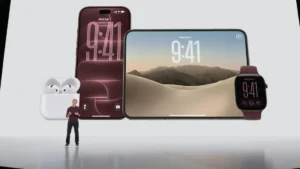
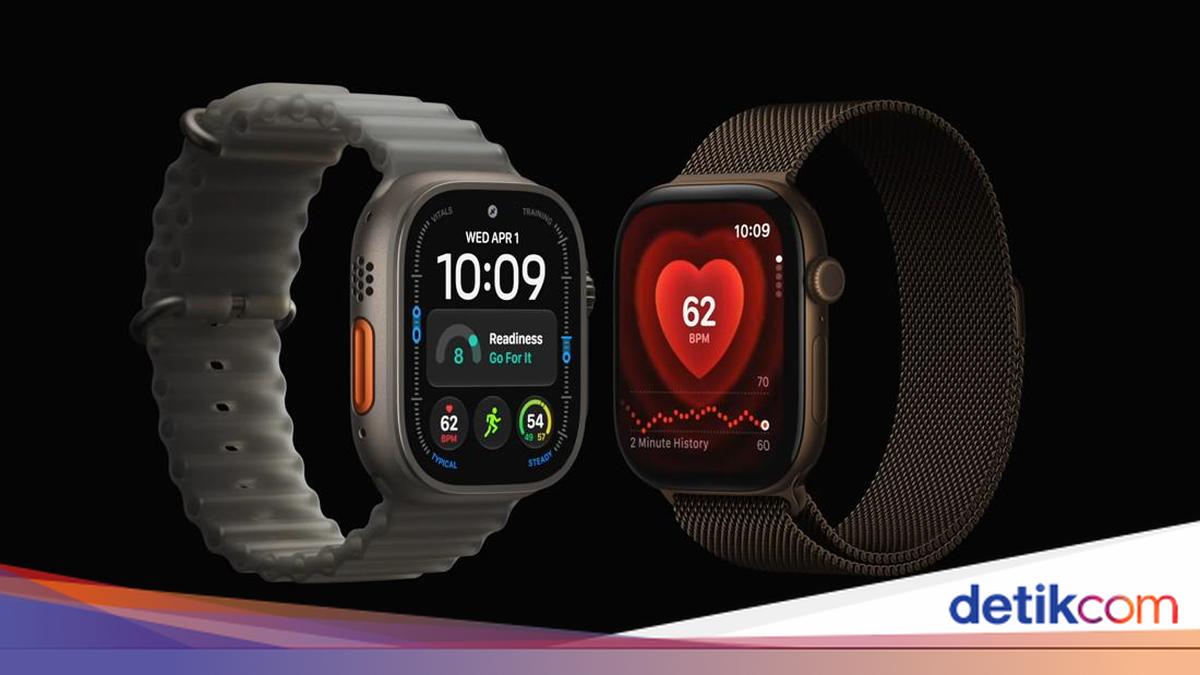
Apple has officially unveiled the next generation of its wearable technology, introducing the Apple Watch Series 12 and the Apple Watch Ultra 4. These new devices represent a significant leap forward in health-tracking precision and computational power, driven by the integration of the proprietary S11 chip. By emphasizing "Audio Intelligence" and a sophisticated Health Sensing System, Apple aims to solidify its dominance in the competitive global smartwatch market, catering to both the daily lifestyle user and the high-performance athlete.
The launch, which took place on September 10, 2026, signals a pivot toward deeper data integration. The new "Readiness" metric, supported by the S11 silicon, provides users with actionable insights rather than mere raw health statistics. As the wearable industry faces increased pressure to provide medically relevant data, Apple’s latest move suggests a strategy focused on long-term wellness management through algorithmic analysis.
The Technological Leap: The S11 Silicon
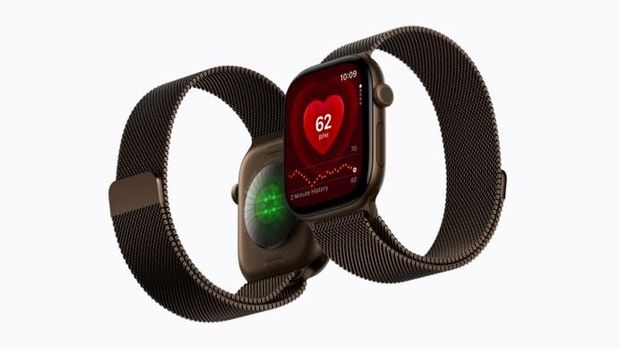
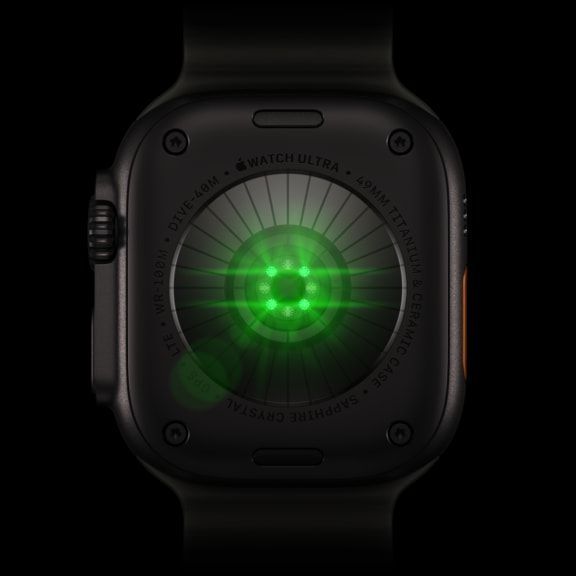
At the heart of both the Series 12 and Ultra 4 lies the S11 system-in-package (SiP). This new chip is not merely an incremental upgrade; it is the engine that powers the new Health Sensing System. The chip enables faster data processing, which is essential for the watch’s ability to record heart rate variability (HRV) at a frequency 24 times higher than previous iterations.
By utilizing the S11, Apple has introduced more complex machine learning models directly onto the device. This allows for the "Readiness" score—a composite index ranging from 0 to 10 that interprets sleep quality, training load, and vital signs to offer one of four distinct states: Recover, Pace Yourself, Ready, or Go For It. This feature reflects a broader industry trend toward "bio-hacking," where users look to their wearables for guidance on when to push their physical limits and when to prioritize rest.
Apple Watch Series 12: Refined Design and Daily Utility
The Apple Watch Series 12 is designed with a thinner, lighter chassis, maintaining its position as the quintessential everyday wearable. Available in 42mm and 46mm configurations, it offers a wider array of materials than its predecessors, including premium titanium, ceramic, and standard aluminum.
One of the most notable additions is the suite of "Audio Intelligence" features. Through the integration of the S11 chip, the watch can now perform on-device processing for Sound Recognition, Shazam, and the new Live Rewind functionality. Live Rewind is particularly groundbreaking, as it allows users to capture and review the previous 15 seconds of a conversation, assisting with memory or note-taking in high-stakes environments. Furthermore, Siri Recap provides a summarized digest of missed notifications or conversations.
However, Apple has been transparent about the limitations of these features at launch. The Audio Intelligence suite is slated for a late 2026 beta release and will initially be limited to the English language, requiring a connection to an iPhone 16 or newer model compatible with the broader Apple Intelligence ecosystem.
Apple Watch Ultra 4: Pushing Endurance Boundaries
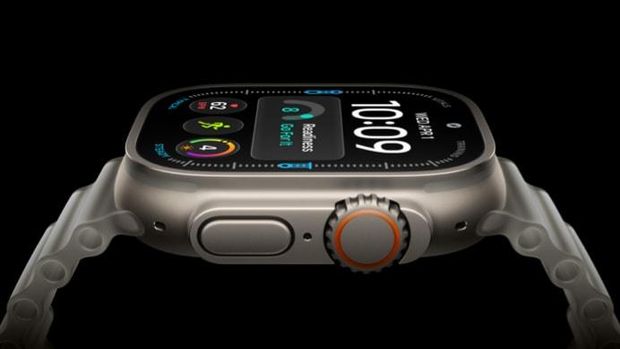
While the Series 12 focuses on versatility, the Apple Watch Ultra 4 targets the extreme sports community. The device maintains the rugged titanium aesthetic but achieves new heights in battery efficiency. With a standard usage rating of 50 hours—and up to 84 hours in Low Power Mode—the Ultra 4 is clearly positioned to compete with dedicated multisport watches from competitors like Garmin and Coros.
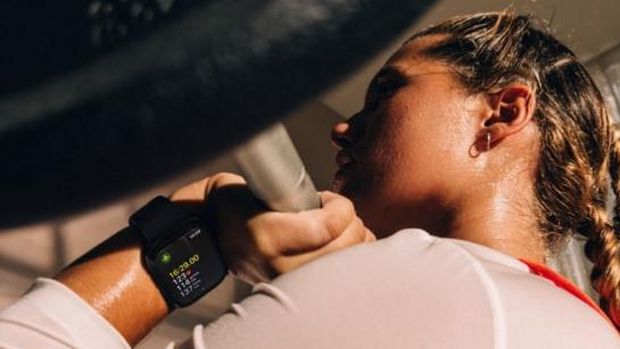
The inclusion of the "Max Extended Workout" mode, which allows for 45 hours of continuous GPS and heart rate tracking, is a game-changer for ultramarathoners and long-distance mountaineers. The hardware also benefits from the most accurate GPS calibration Apple has produced to date, crucial for navigation in dense forests or urban canyons.
Beyond fitness, the Ultra 4 enhances safety for off-grid travelers by supporting Emergency SOS, Find My, and text-based messaging via satellite in regions where the infrastructure is supported. This creates a compelling value proposition for users who prioritize safety as much as performance.
Data Accuracy and Health Context
A critical aspect of this launch is the validation of the new sensors. Apple disclosed that the heart rate tracking capabilities were tested against a cohort of over 1,000 participants, aiming to set a new benchmark for accuracy in wrist-based wearables. By measuring heart rate every five seconds, the device captures high-resolution data that was previously only available via dedicated chest straps.
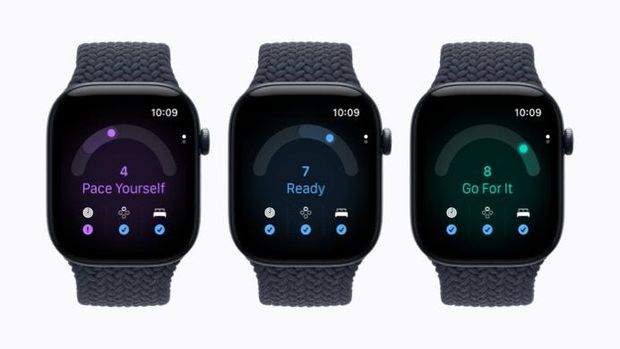
It is important to note, however, that Apple’s health features—including the Readiness score—are not intended to replace medical diagnosis. The company emphasizes that these tools serve as personal health indicators, meant to empower the user to make informed lifestyle choices rather than clinical decisions.
Market Implications and Global Availability
The pricing strategy remains consistent with Apple’s premium positioning. The Series 12 starts at $399 (approximately IDR 6.5 million), while the Ultra 4 commands a $799 (approximately IDR 13 million) entry point. These prices are indicative of the US market and do not account for local taxes, import duties, or retail markups in international territories.
The timeline for the global rollout is aggressive. Pre-orders commenced on September 9, 2026, covering over 50 countries and regions, with physical store availability beginning on September 18, 2026. While Indonesia is confirmed to be on the list for a future release, local pricing and specific regional dates remain pending an official announcement from Apple’s Indonesian representatives.
Industry Context: The Wearable War
This release arrives at a time when the wearable market is becoming increasingly saturated. With rivals focusing heavily on AI-driven health coaching, Apple’s move to integrate its own "Apple Intelligence" framework directly into the watch interface is a strategic necessity. The goal is to move beyond the "notification machine" model of early smartwatches and toward a proactive health companion.
The success of the S11-powered devices will likely hinge on user adoption of the Readiness score and the practical utility of the Audio Intelligence features. If these tools prove to be as intuitive as Apple claims, it will likely drive an upgrade cycle among existing Watch users, particularly those currently utilizing Series 8 or earlier models.
Analytical Outlook
From an analytical perspective, the Apple Watch Series 12 and Ultra 4 represent a maturity in design and function. The emphasis on "intelligence" over raw hardware specifications marks the next phase of the smartwatch evolution. By moving processing power closer to the user’s wrist, Apple is reducing latency and increasing privacy, as much of the audio and health data is processed within the device’s Secure Exclave.
For the average consumer, the Series 12 provides a compelling reason to upgrade, particularly for the improved battery life and the potential for the AI features to assist in daily productivity. For the professional athlete or adventurer, the Ultra 4 offers the reliability and power necessary to stay connected in environments where a traditional smartphone would be a liability.
As we look toward the remainder of 2026, the market will be closely watching the initial reviews and user data. The true test of these devices will not be in their launch specs, but in how seamlessly they integrate into the daily lives of users, transforming complex biological and environmental data into actionable life improvements. For Apple, the challenge remains to maintain this momentum, ensuring that while the software grows in complexity, the user experience remains as simple and elegant as the brand promises.