Socio Today
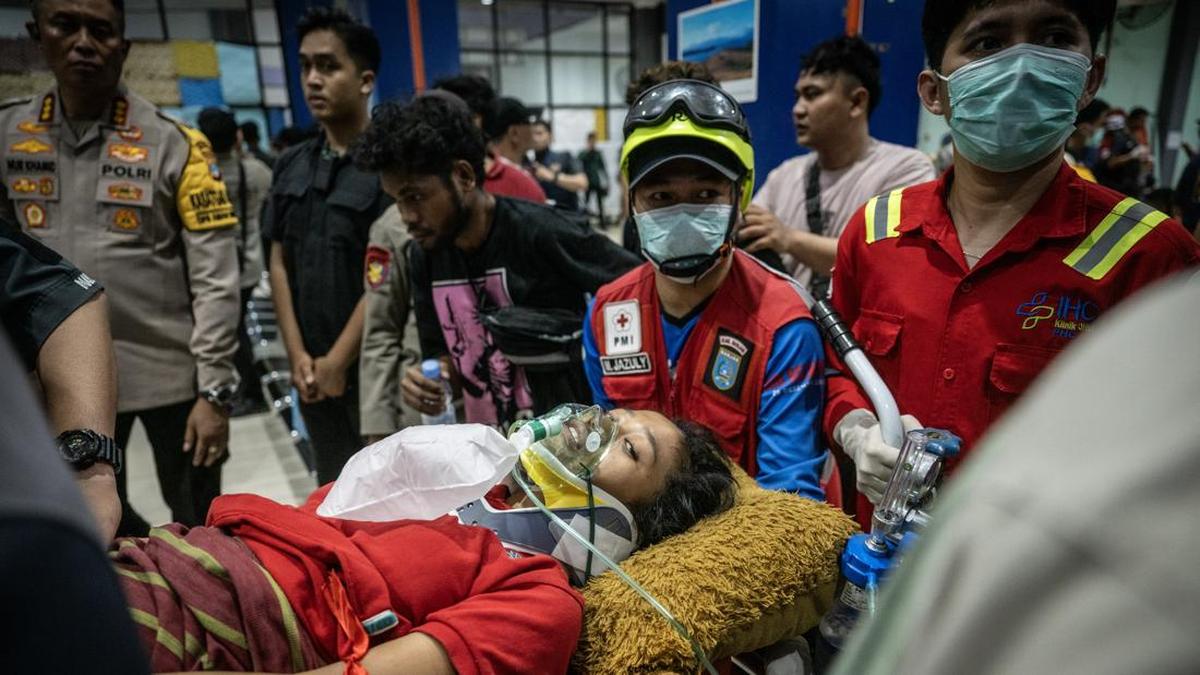
The maritime transportation sector in Indonesia faced another critical test following a maritime accident involving the passenger motor vessel (Kapal Motor Penumpang / KMP) Virgo Transport 8 in the waters of the Java Sea. Out of a total of 107 survivors accounted for in the aftermath of the disaster, an initial group of 69 rescued passengers safely arrived at the Trisakti Port in Banjarmasin, South Kalimantan. The arrival marks a pivotal step in the ongoing multi-agency rescue, evacuation, and medical triage operations designed to address the physical and psychological well-being of those affected by the maritime mishap.
Upon docking at the Trisakti Port aboard the rescue vessel MV Haida, the 69 survivors were immediately greeted by a joint task force consisting of port authorities, medical personnel, search and rescue (SAR) teams, and local disaster mitigation agencies. The coordination among these various stakeholders highlights the preparedness of regional authorities in handling maritime emergencies, ensuring that survivors transition swiftly from the perils of the open sea to structured, professional care.
Maritime Incidents in Indonesian Waters: A Persistent Challenge
Indonesia, as the world’s largest archipelagic nation, relies heavily on maritime transport for both economic connectivity and passenger mobility. However, the vast expanse of its territorial waters—spanning major shipping lanes such as the Java Sea—also presents inherent risks. Maritime accidents involving passenger ferries and transport vessels frequently capture public attention due to the high volume of travellers and the logistical complexities of executing mid-sea rescues.
The Java Sea, notorious for its dynamic weather patterns, unpredictable currents, and heavy maritime traffic, has historically been the site of several high-profile shipping incidents. While modern navigation systems and safety regulations have improved overall maritime safety standards, environmental factors and technical malfunctions continue to pose significant hazards. The incident involving KMP Virgo Transport 8 serves as a stark reminder of the vulnerability of maritime operations and the critical importance of robust emergency response frameworks.
Chronology of Events: From Mishap to Safe Harbor
Although comprehensive official investigative reports regarding the exact trigger of the KMP Virgo Transport 8 accident remain under review by maritime authorities, the sequence of events following the distress call unfolded rapidly. Once the vessel encountered distress in the Java Sea, maritime rescue coordination centers activated emergency protocols.
The immediate phase involved search and rescue operations deployed to locate the vessel, secure the passengers, and prevent loss of life. Through coordinated efforts between commercial vessels in the vicinity, SAR teams, and specialized rescue units, a total of 107 individuals were successfully rescued from the crisis zone.
Following stabilization at sea, 69 of these survivors were transferred onto the MV Haida for transportation to the nearest major logistical hub capable of handling large-scale medical intake: the Trisakti Port in Banjarmasin. The voyage across the Java Sea allowed emergency medical technicians aboard the rescue vessels to monitor critical cases, provide basic first aid, and identify passengers requiring specialized intervention before reaching the shore.
Medical Triage and Comprehensive Health Assessments at Trisakti Port
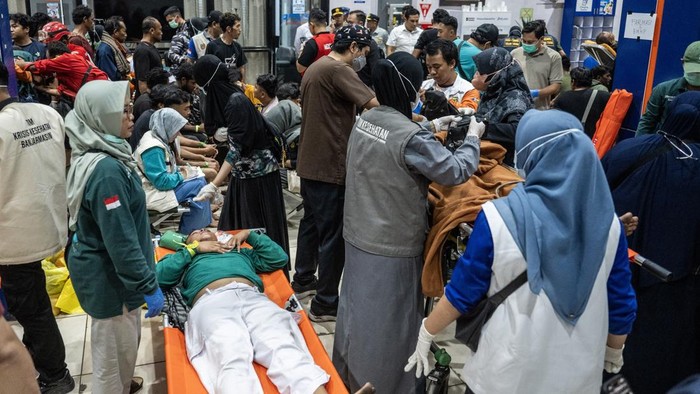
The establishment of a dedicated Health Post (Posko Kesehatan) at the Trisakti Port in Banjarmasin played an instrumental role in the immediate post-evacuation phase. Medical professionals drawn from local health offices, port health authorities, and volunteer medical organizations mobilized to execute systematic health screenings for all arriving passengers.
The medical evaluation protocol implemented at the port was comprehensive, designed to address both acute and latent health complications resulting from the accident and subsequent exposure at sea. Key components of the medical examination included:
- General Physiological Assessment: Checking vital signs such as blood pressure, heart rate, body temperature, and oxygen saturation levels to detect signs of shock, hypothermia, or dehydration.
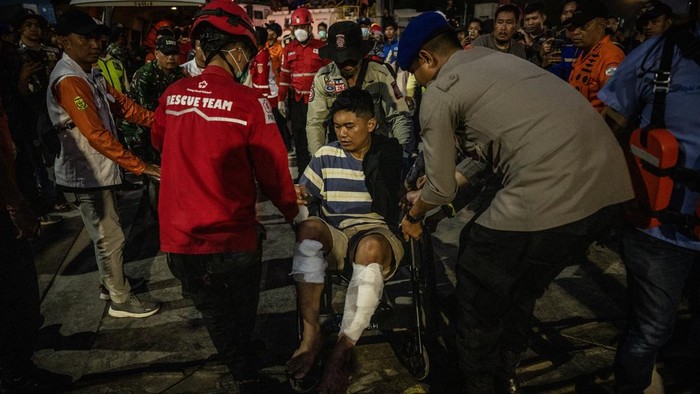
- Injury Screening: Inspecting survivors for trauma, lacerations, fractures, or contusions sustained during the evacuation or the initial maritime incident.
- Psychological First Aid (PFA): Recognizing that maritime disasters exact a heavy mental toll, mental health professionals and trauma counselors were deployed to offer psychological support, screen for acute stress disorder, and help survivors process the traumatic experience.
- Nutritional and Hydration Support: Providing immediate sustenance and rehydration fluids to individuals who may have spent hours or days without adequate supplies while awaiting rescue.
According to health officials stationed at the port, while the majority of the 69 arriving survivors presented with minor fatigue, minor scrapes, and symptoms related to motion sickness and exposure, continuous monitoring remains a priority. Individuals identified with underlying chronic conditions—such as hypertension or diabetes—were given priority access to specialized medications and physician consultations.
Institutional Responses and Stakeholder Coordination
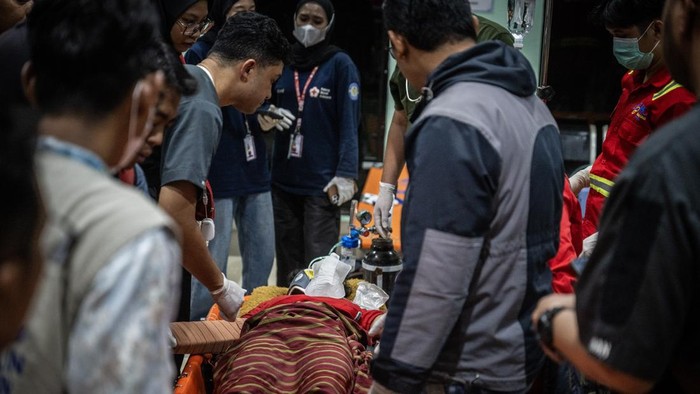
The successful handling of the KMP Virgo Transport 8 survivors underscores the efficacy of inter-agency cooperation within Indonesia’s disaster management structure. The National Search and Rescue Agency (Basarnas), the Ministry of Transportation, local port authorities (Pelindo), and regional health departments worked in close synergy to streamline the debarkation process.
Representatives from local government agencies were also present at the Trisakti Port to facilitate secondary logistical needs, such as arranging temporary shelter, coordinating communications with the survivors’ families, and planning safe transit for passengers wishing to return to their hometowns or final destinations across South Kalimantan and surrounding regions.
Furthermore, transportation authorities have initiated preliminary fact-finding missions to determine the operational status of KMP Virgo Transport 8 prior to the incident, verify passenger manifests against the number of rescued individuals, and cooperate with the National Transportation Safety Committee (KNKT) to uncover the root causes of the disaster.
Implications for Maritime Safety and Passenger Rights
The KMP Virgo Transport 8 incident brings broader structural and regulatory implications for Indonesia’s domestic shipping industry. Ensuring strict adherence to safety protocols, maintaining rigorous vessel seaworthiness certifications, and enforcing passenger capacity limits are perennial challenges that demand continuous regulatory oversight.
In the wake of this event, industry analysts and safety advocates emphasize the necessity of several key improvements:
- Enhanced Weather Monitoring: Integrating real-time meteorological data systems directly into vessel navigation units to help captains avoid hazardous squalls and rough seas in the Java Sea.
- Mandatory Safety Drills: Ensuring that passenger ferries routinely conduct comprehensive safety briefings and evacuation drills for passengers immediately upon departure.
- Upgraded Life-Saving Appliances (LSAs): Verifying that all commercial transport vessels carry an excess of certified life rafts, lifejackets, and distress signaling equipment that exceed minimum statutory requirements.
The economic and social implications of maritime accidents extend beyond the immediate physical rescue. For regions heavily dependent on ferry connectivity, such interruptions can cause temporary logistical bottlenecks and disrupt supply chains. More importantly, public confidence in maritime safety remains a cornerstone of regional mobility. Restoring and maintaining that confidence requires absolute transparency in investigating maritime accidents and holding operators accountable to the highest standards of safety compliance.
Next Steps for the Remaining Survivors and Ongoing Investigations
While the arrival of the 69 survivors at Banjarmasin represents a significant milestone in the disaster response operation, efforts regarding the remaining survivors from the total count of 107 continue. Logistics coordinators are managing the safe arrival and reception of the remaining passengers through alternate ports or secondary transport arrangements, ensuring they receive the exact same tier of medical attention and psychosocial support.
Concurrently, the investigation into the exact circumstances surrounding the KMP Virgo Transport 8 accident in the Java Sea will proceed under the purview of maritime safety investigators. Crew members, vessel operators, and surviving passengers will likely be interviewed to construct a detailed timeline of mechanical failures, navigational errors, or environmental triggers.
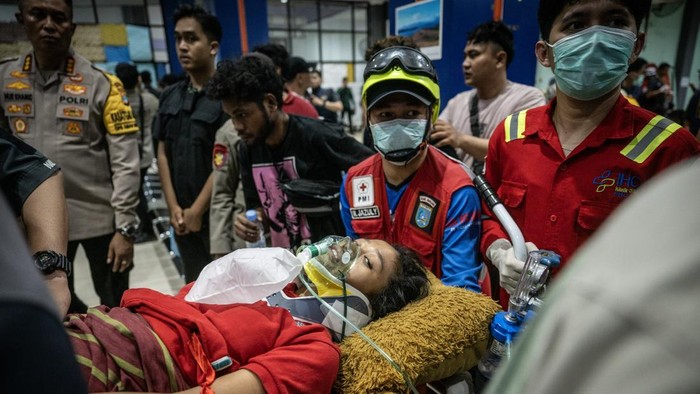
As the situation develops, local authorities in Banjarmasin remain on standby to assist families seeking information regarding their loved ones, reinforcing a humanitarian-first approach to crisis management. The resilience demonstrated by the survivors, combined with the swift and organized response of Indonesia’s joint rescue forces, highlights the critical capacity of national institutions to protect and serve citizens in times of maritime emergency.