Socio Today
The quiet town of Eaton, Colorado, is set to become a focal point for automotive enthusiasts, historians, and collectors from around the globe. On September 19, 2026, VanDerBrink Auctions will orchestrate a monumental, multi-day liquidation event featuring an astounding inventory of approximately 300 classic vehicles, vintage signage, and rare automotive memorabilia. This massive collection, accumulated meticulously over the span of nearly a century by three generations of the Born family, offers a rare glimpse into American motoring history, ranging from pristine collector items to ambitious barn-find restoration projects.
A Legacy Built Over Three Generations
The sheer scale of the Eaton auction is a testament to the lifelong passion of the Born family. The collection was lovingly assembled across three generations, beginning with the grandfather of the late Doug Born, continuing through Doug’s father, and ultimately culminating with Doug himself. For decades, the family scoured various auctions, estate sales, and private properties across the United States, hunting down overlooked automotive history and preserving pieces of America’s industrial heritage.
What started as a personal passion evolved into an immense assembly of automotive artifacts, housed on family property in Colorado. Following the passing of Doug Born, the family made the bittersweet decision to pass the torch to a new generation of caretakers, entrusting VanDerBrink Auctions to find passionate buyers for the fruits of their century-long collecting journey. The event is not merely a commercial sale; it is the dispersal of a living automotive museum that reflects the changing tides of American design, engineering, and culture.
A Treasure Trove of American Motoring History
The inventory slated for the September 19 auction reads like a chronological encyclopedia of twentieth-century American manufacturing. While the collection features a diverse array of makes and models, it is overwhelmingly dominated by the blue-oval legacy of the Ford Motor Company.
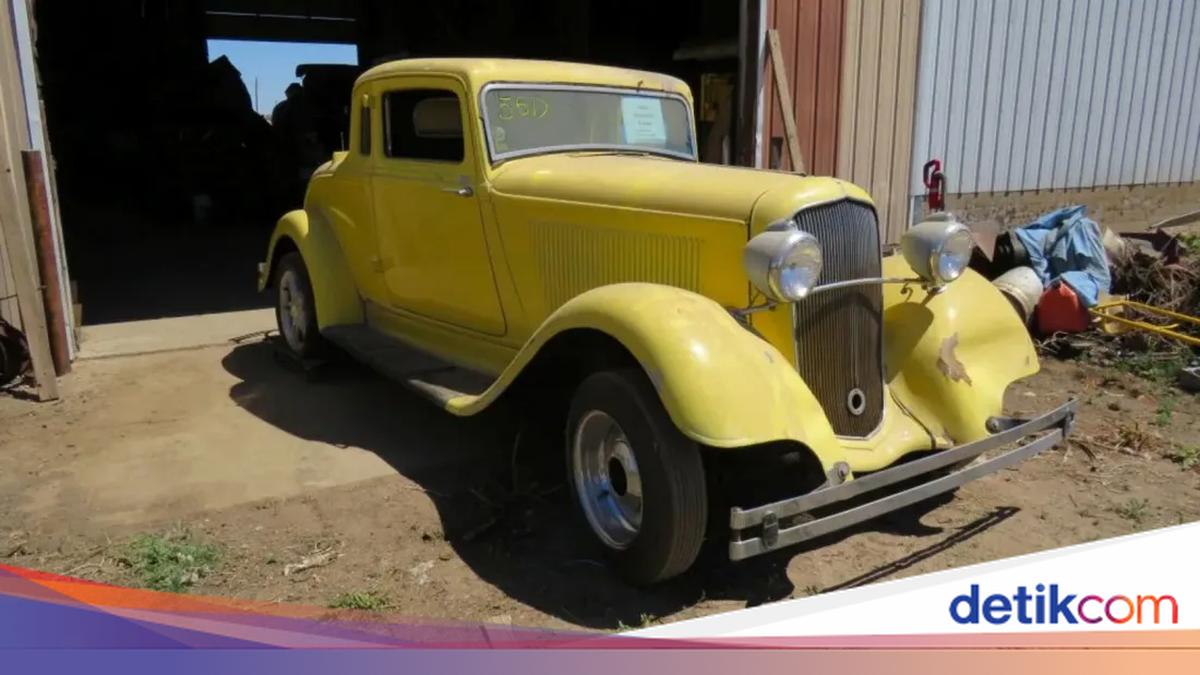
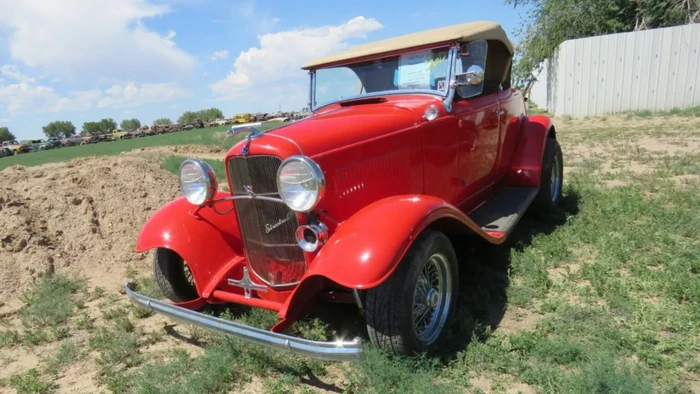
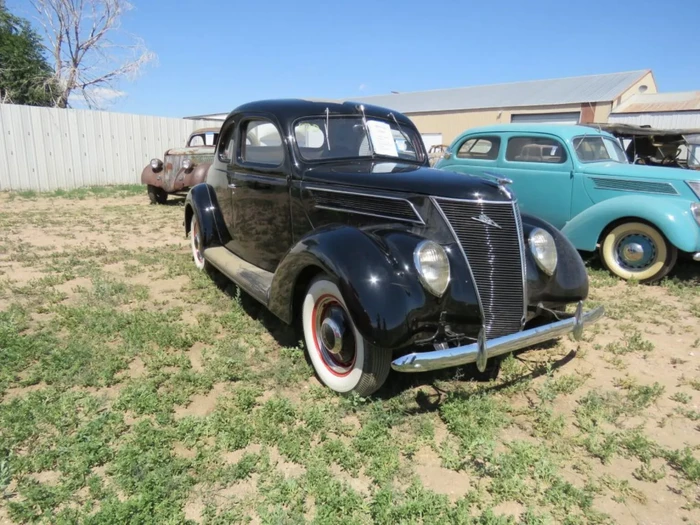
Among the standout early-century pieces is a remarkably preserved 1912 Ford Model T Touring car, representing the era when mass production revolutionized personal mobility. Alongside the Model T are numerous examples of the iconic Ford Model A, a 1932 Ford Roadster—widely regarded as a cornerstone of hot-rod culture—as well as a wide variety of coupes, sedans, and light-duty pickup trucks spanning the tumultuous and innovative decades of the 1930s and 1940s.
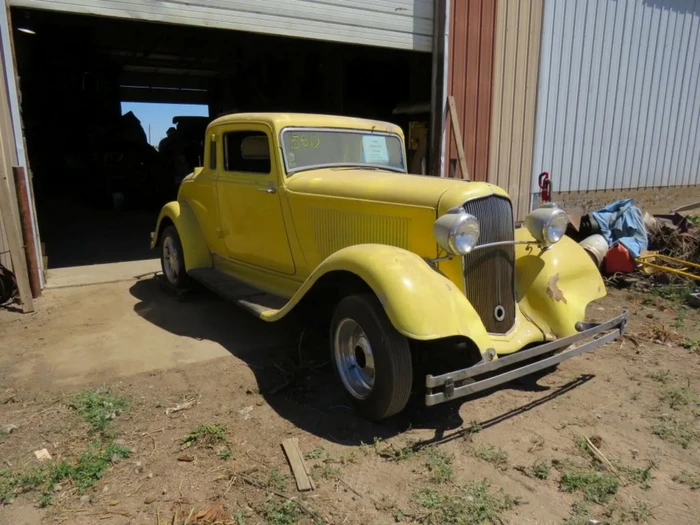
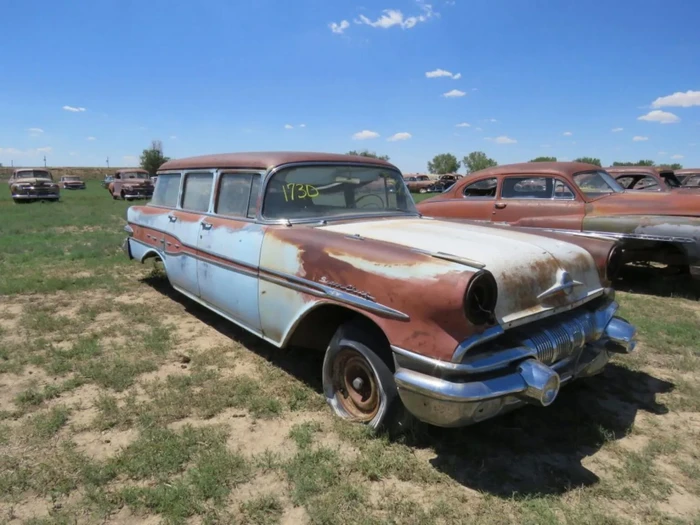
However, Ford is far from the sole representative of American automotive history in the Born collection. General Motors is heavily represented, anchored by a charming 1931 Chevrolet sedan, a rugged 1955 Chevrolet NAPCO four-wheel-drive pickup truck, and a stylish 1964 Chevrolet Bel Air two-door. The collection also dips into various other storied American marques, showcasing vehicles such as a spacious 1957 Pontiac Super Chief Wagon, a luxurious 1961 Oldsmobile 98 two-door, a 1958 Dodge Wagon, a sporty 1974 Pontiac Firebird Esprit, an economical Henry J, heavy-duty International trucks, and the rugged Plymouth Ramcharger.
The Spectrum of Condition: From Showroom to Project Car
One of the defining characteristics of the Born family collection is its eclectic nature regarding the physical condition of the vehicles. Prospective buyers walking the grounds in Eaton will find a broad spectrum of preservation levels.
While a select number of vehicles have undergone thorough historical restorations and stand ready for exhibition or weekend cruising, the vast majority of the inventory consists of classic "project cars" and barn finds. Many of these machines have rested in dry Colorado storage for decades, exhibiting the patina of age, missing parts, or requiring extensive mechanical and structural rehabilitation. For seasoned restorers and fabricators, this presents a golden opportunity. These vehicles serve as clean, highly authentic canvases for restoration projects, restomods, or parts harvesting to keep other historical vehicles alive on public roads.
Beyond the automobiles themselves, the auction catalog includes a rich assortment of automobilia. Vintage gasoline pumps, porcelain and metal signage, dealership memorabilia, and obsolete automotive parts will cross the auction block, offering lower-barrier entry points for collectors who may not have the garage space or resources to take on a full-scale vehicle restoration project.
Auction Mechanics, Pricing Strategies, and Rules of Engagement
The logistics surrounding an auction of this magnitude require careful planning by both the organizers and prospective bidders. VanDerBrink Auctions has scheduled the live bidding to commence sharply at 09:00 local time on September 19, 2026. For those wishing to inspect the rolling history in person, a preview day will be held on September 18, allowing potential buyers to crawl underneath chassis, inspect engine bays, and assess the true scope of the restoration work required.
In an intriguing pricing strategy highlighted by local media outlet KDVR, select vehicles in the catalog have been assigned opening bids as low as 50 cents. Industry veterans note that while these nominal starting figures generate significant public interest and media buzz, they are merely psychological anchors designed to spark competitive bidding. The ultimate hammer price for each vehicle will be dictated entirely by market demand in real-time.
Furthermore, participants must account for standard auction overhead costs. Bidders participating on-site will be assessed an 8 percent buyer’s premium, while those opting to place their bids through digital platforms will face a slightly higher 10 percent buyer’s premium.
VanDerBrink Auctions has issued a specific logistical advisory regarding the digital side of the event. While online bidding infrastructure will be fully operational to accommodate international and out-of-state collectors, organizers strongly encourage serious buyers to attend the live auction in person. The remote rural location in Eaton features notoriously limited cellular and internet network connectivity, posing a risk of dropped bids or communication delays for purely virtual participants.
Broader Implications for the Classic Car Market
The dispersion of the Born family collection arrives at a fascinating juncture for the vintage and classic automotive market. Over the past decade, the hobby has experienced a generational shift. As aging generations of collectors downsize or pass away, massive estate auctions like the one in Eaton are becoming increasingly common.
Market analysts observe a growing dichotomy in collector preferences. While blue-chip, fully restored concourse vehicles continue to command astronomical sums at high-end metropolitan auction houses, there is a surging grassroots movement toward preservation-class vehicles, "barn finds," and accessible DIY project cars. Younger demographics of car enthusiasts are showing a distinct preference for rescuing forgotten history, injecting personal creativity into builds, and embracing the imperfect authenticity of unrestored patina.
The Born collection sits squarely at the intersection of this trend. By offering hundreds of project-grade vehicles without prohibitive reserve barriers, the Eaton auction acts as an incubator for the next generation of automotive preservationists. It ensures that cars which might otherwise have been scrapped or left to decay further will find new homes with individuals equipped with the time, passion, and capital to restore them.
As the gates open in Eaton, Colorado, the event will close the book on a remarkable chapter of multi-generational collecting. Yet, for the 300 vehicles, signs, and artifacts waiting in the Colorado sun, September 19 will mark the beginning of a brand-new journey—one that will see these ghosts of America’s automotive past return to the open road.