Socio Today
The rapid acceleration of electric vehicle (EV) adoption across Indonesia has necessitated a parallel evolution in public safety infrastructure, prompting the Jakarta Fire and Rescue Department (Gulkarmat) to bolster its emergency response capabilities through the integration of specialized fire-suppression equipment. As the number of battery-powered vehicles on metropolitan streets continues to climb, the shift toward sustainable mobility presents unique technical challenges for first responders, particularly regarding the specific chemical reactions associated with lithium-ion battery fires. To address these concerns, PT FAST has officially donated high-performance Portex EV Fire Blankets to the Gulkarmat agency, marking a strategic enhancement in the city’s emergency toolkit.
The Technical Challenge of EV Fires
Lithium-ion batteries, the backbone of modern electric mobility, possess a distinct fire risk profile compared to internal combustion engine (ICE) vehicles. When damaged or subjected to thermal runaway—a condition where a cell’s internal temperature rises uncontrollably—these batteries can release flammable gases and produce intense, self-sustaining heat that is notoriously difficult to extinguish with traditional water-based fire suppression methods. Unlike gasoline, which requires the removal of oxygen or fuel to stop combustion, an EV battery fire can reignite even after being doused, as the chemical reaction occurs within the sealed battery architecture itself.
The Portex EV Fire Blanket functions by creating an airtight seal over the burning vehicle, effectively starving the fire of oxygen and containing the toxic smoke and heat. This containment strategy is critical for urban environments like Jakarta, where fire spread to adjacent structures or vehicles poses a significant risk to public property and human life. By isolating the thermal event, the blanket allows emergency personnel to manage the situation more effectively, preventing the "domino effect" of fire propagation in densely populated parking facilities or residential areas.
Strategic Integration and Official Response
The donation ceremony, held in conjunction with the "Jelaga di Ujung Raya" exhibition at Galeri Zen1, Menteng, underscores a multifaceted approach to public safety. Moeldoko, Chairman of the Indonesian Electric Vehicle Industry Association (PERIKLINDO) and former Commander of the Indonesian National Armed Forces (TNI), emphasized that the technical readiness of the fire department must be matched by a robust public awareness campaign.
"By building this level of professional awareness and providing the necessary tools to our responders, we eliminate the unnecessary anxiety surrounding the transition to electric vehicles," Moeldoko stated during the event on September 16, 2026. He argued that the psychological barrier to EV adoption—often rooted in safety concerns—can be dismantled through the visible presence of advanced safety protocols and institutional preparedness.
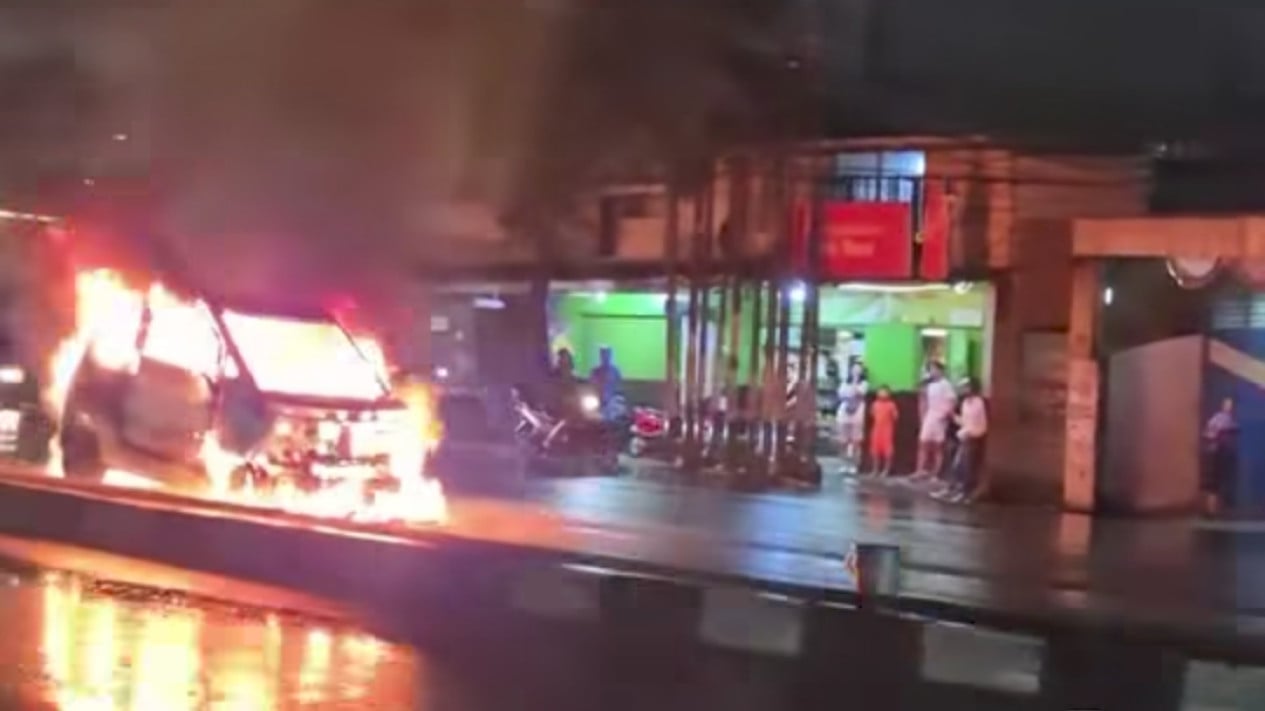
For the Jakarta Gulkarmat, this equipment represents a vital upgrade. As a megacity, Jakarta’s fire response teams frequently navigate high-traffic, complex environments. Equipping fire units with portable, rapidly deployable blankets allows for immediate containment of incidents before they escalate into large-scale disasters, thereby reducing the strain on municipal resources and protecting public infrastructure.
The Intersection of Art and Safety
The initiative was framed within the context of the "Jelaga di Ujung Raya" exhibition, a collaborative effort between LFK and artist Arkiv Vilmansa. The event, which runs from September 12 to October 13, 2026, utilized the theme of fire—a dual-natured element of destruction and creation—to spark a broader public discourse on safety.
In a unique demonstration of social responsibility, three major artworks created using fire-based techniques were auctioned during the exhibition. The proceeds, amounting to hundreds of millions of rupiah, were designated for disaster relief, specifically targeting victims of the fire in the Adat Sade Village, Nusa Tenggara Barat, and funding the recovery efforts for wildlife affected by recent forest and land fires. This initiative highlights the growing trend of corporate and artistic sectors aligning with government bodies to address climate-related risks and industrial safety.
Industry Trends and Safety Implications
The focus on EV fire safety in Indonesia is not an isolated effort but part of a broader national agenda to standardize the EV ecosystem. As of mid-2026, the Indonesian government has prioritized the development of charging infrastructure, battery recycling facilities, and safety certification standards.
Data from global automotive safety regulators suggest that while EVs are not statistically more prone to catching fire than ICE vehicles, the duration and intensity of EV fires require specialized training. Fire departments worldwide are increasingly shifting their protocols to focus on "containment and cooling" rather than traditional "extinguishing" methods. The adoption of fire blankets by the Jakarta Gulkarmat aligns the city with international best practices currently utilized in European and North American fire services.
Chronology of Safety Infrastructure Development
The current push for specialized fire gear follows a series of policy milestones:

- Early 2024: Initiation of national EV safety standards and pilot programs for emergency response training.
- Late 2025: Increased reports of urban fires, including large-scale warehouse incidents in the Tangerang region, leading to a review of municipal firefighting equipment.
- September 2026: Formal donation of the Portex EV Fire Blanket to the Jakarta Fire and Rescue Department, signaling a shift toward specialized rapid-response tools.
- Ongoing: Continuous training sessions for Jakarta fire personnel to manage the technical complexities of lithium-ion battery incidents.
Economic and Public Health Impact
The economic implications of this safety initiative are significant. As the Indonesian government pushes for 20% to 30% of all vehicles on the road to be electric by 2030, the cost of failing to manage EV-related incidents could be catastrophic, both in terms of property damage and public health. Toxic smoke from burning lithium batteries contains hydrogen fluoride, carbon monoxide, and other hazardous chemicals that require specialized respiratory protection for responders.
By investing in high-tech blankets, the city is effectively reducing the environmental impact of these fires. The blanket contains the fire to a smaller footprint, preventing the release of large volumes of contaminated runoff water that would otherwise enter the urban drainage system.
Future Outlook
Moving forward, the partnership between PERIKLINDO, the private sector, and the Jakarta municipal government serves as a model for other regions in Indonesia. The integration of technology—not just in the cars themselves, but in the emergency services tasked with protecting them—is the next logical step in the electrification roadmap.
Moeldoko’s vision of using "art and technology" as a bridge to public confidence suggests that future safety initiatives may lean heavily on creative communication. By demystifying the technology and ensuring that the public can "see" the safety measures in place, the government aims to maintain the momentum of the green energy transition. The focus remains on a proactive, rather than reactive, stance—ensuring that as Jakarta evolves into a smart, sustainable city, its emergency response services are equipped to handle the demands of the modern era.
The combination of the donation of the Portex EV Fire Blanket and the successful fundraising through the "Jelaga di Ujung Raya" exhibition marks a significant, albeit small, step toward a comprehensive safety framework. As Jakarta continues to refine its disaster management protocols, the focus will likely expand to include specialized training for electric bus fleets and large-scale public charging hubs, ensuring that the safety of the public remains the highest priority in the journey toward a decarbonized transportation future.