Socio Today
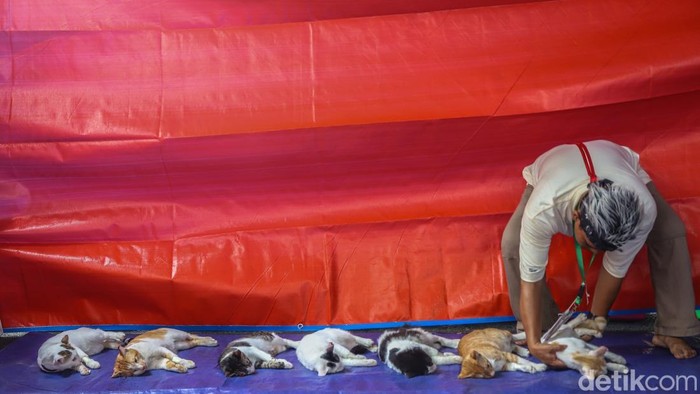
Petugas Suku Dinas Ketahanan Pangan, Kelautan, and Pertanian (KPKP) of North Jakarta executed a comprehensive feline sterilization initiative on Tuesday, September 29, 2026, as part of the ongoing September Healthy Festival held at the North Jakarta Mayor’s Office complex. The program drew significant attention from local pet owners who brought their beloved companion animals—affectionately known in Indonesia as "anabul" (anak bulu)—to queue for specialized veterinary care. This community-focused health intervention is designed not only to provide accessible medical services for household pets but also to address broader urban animal welfare and population management challenges within the capital region.
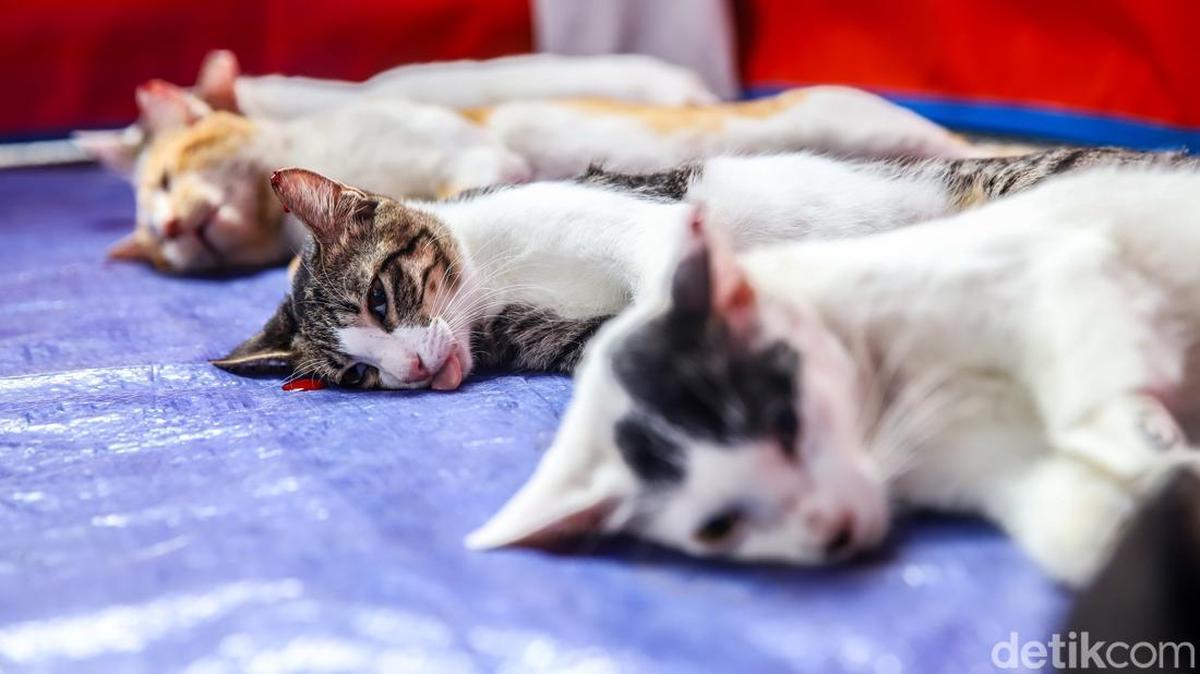
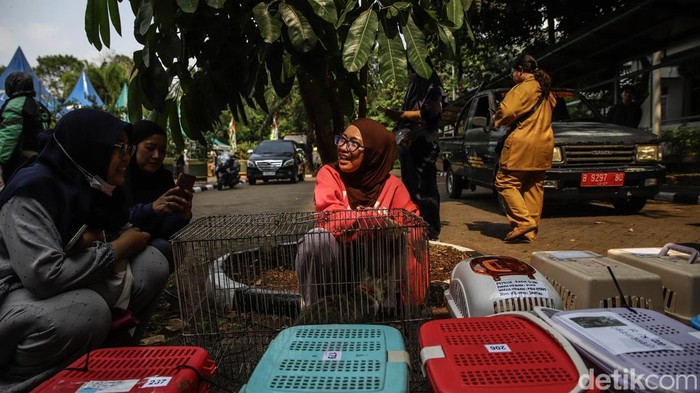
The event highlights a concerted municipal effort to curb the exponential growth of stray and domestic animal populations through humane methods. Throughout the day, long queues formed as residents arrived carrying their cats in secure carriers, eager to take advantage of the subsidized or free medical procedures provided by the local government. Veterinary personnel from the Sudin KPKP worked diligently to process each animal, establishing a systematic workflow that prioritized animal safety, hygiene, and post-operative recovery monitoring.
Chronology and On-Site Workflow of the Sterilization Drive
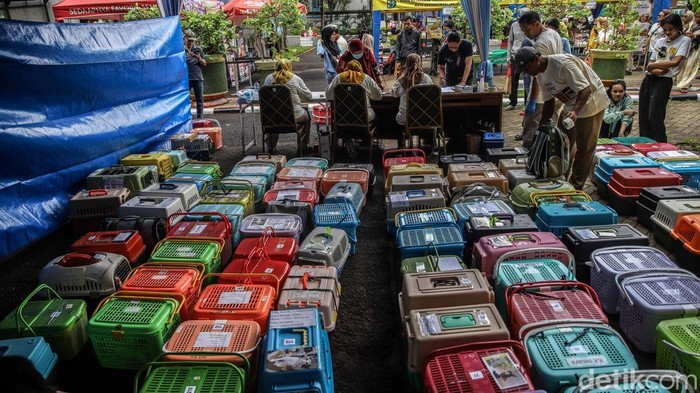
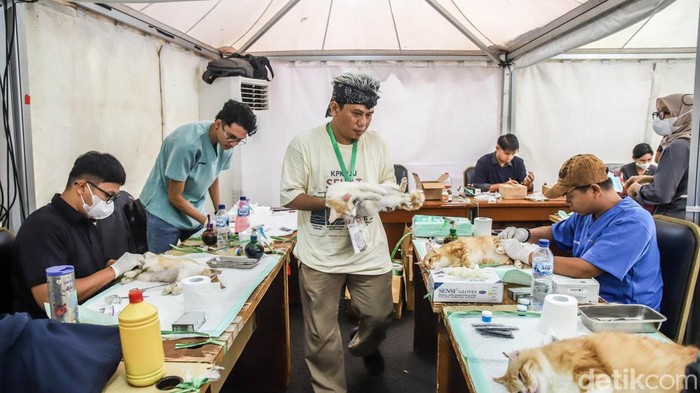
The proceedings commenced early in the morning at the North Jakarta Mayor’s Office, where temporary clinical stations had been set up to accommodate the influx of pets. The operational workflow began with registration, where owners documented their cats’ particulars and medical histories. Following registration, every animal underwent a mandatory pre-screening health assessment conducted by licensed veterinarians and auxiliary medical staff.
This initial examination is a critical procedural step designed to evaluate the cat’s general fitness, weight, heart rate, and overall health status. Only those felines that successfully met the strict clinical criteria—ensuring they were free from acute infections, of appropriate age, and in stable condition—were cleared to proceed to the surgical suite. After the successful completion of the sterilization procedure, the cats were transferred to a recovery zone under the watchful eyes of medical personnel, where owners received comprehensive post-operative care instructions before taking their pets home.
Background Context: Urban Population Control and Animal Welfare
The integration of feline sterilization into the September Healthy Festival underscores a growing recognition of the intersection between animal health and public sanitation in densely populated urban environments like Jakarta. Unchecked reproduction among domestic and stray cats can rapidly lead to overpopulation, which in turn exacerbates issues related to animal abandonment, malnutrition, the spread of zoonotic diseases, and environmental nuisances.
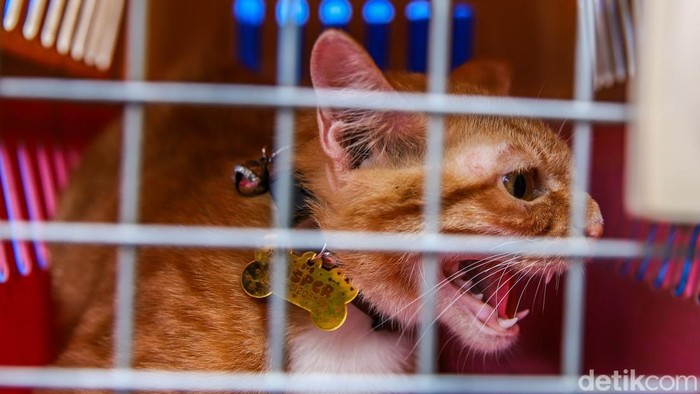
Municipal authorities have increasingly focused on proactive population control as a humane and sustainable alternative to reactive measures. Sterilization, commonly known as spaying for females and neutering for males, effectively halts the reproductive cycle while offering substantial secondary health benefits. Veterinary science confirms that these procedures significantly reduce the incidence of certain reproductive cancers, mitigate territorial aggression, decrease roaming behaviors that put cats at risk of vehicular accidents, and diminish spraying behaviors associated with unsterilized males. By bringing these services directly to the administrative hub of North Jakarta, the local government has lowered the logistical and financial barriers that often prevent lower-income pet owners from accessing essential veterinary care.
Official Perspectives and Community Reception
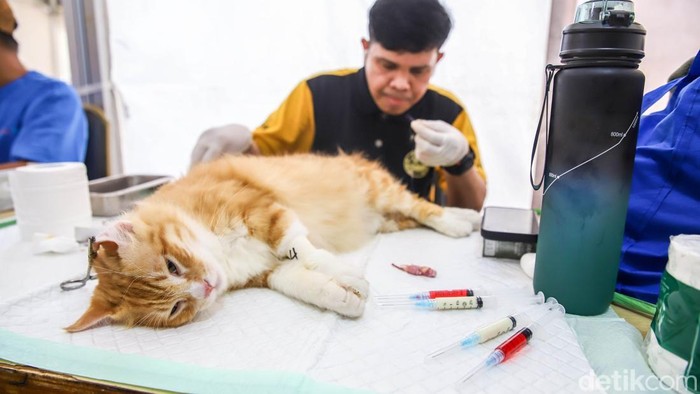
The community response to the Sudin KPKP initiative was overwhelmingly positive. Local residents expressed deep appreciation for the accessibility of the program, noting that private veterinary clinics often charge prohibitive fees for surgical sterilizations. For many urban families, participating in the September Healthy Festival provided a rare opportunity to ensure their pets received professional medical attention without placing an undue strain on household finances.
Beyond the immediate surgical interventions, the event served as an invaluable educational platform. Sudin KPKP officials and participating veterinarians utilized the gathering to counsel pet owners on responsible stewardship, proper nutritional requirements, vaccination schedules, and the long-term advantages of preventive medicine. By fostering direct engagement between municipal agricultural and veterinary agencies and the citizenry, the program aims to cultivate a culture of heightened empathy and accountability toward domestic animals. Representatives from the North Jakarta administration emphasized that nurturing a healthy urban ecosystem requires a dual approach: delivering practical public services and elevating community awareness regarding animal welfare standards.
Broader Implications and Future Outlook for Jakarta’s Animal Health Initiatives
The success of the feline sterilization drive at the September Healthy Festival points toward potential models for future municipal policy implementation across the Special Capital Region of Jakarta. As urban density continues to rise, managing the welfare of domestic animals becomes an increasingly complex administrative responsibility. Initiatives led by agencies such as Sudin KPKP demonstrate that decentralized, event-based veterinary care can effectively bridge the gap between municipal policy goals and grassroots participation.
Experts in urban veterinary medicine note that sustained, neighborhood-level interventions are essential for achieving long-term stabilization of stray and pet populations. When municipalities invest in accessible spay-and-neuter programs, the cascading benefits include reduced burdens on animal shelters, lower rates of community animal complaints, and improved public health outcomes through the reduction of unmanaged animal populations. Moving forward, the framework established during the September Healthy Festival in North Jakarta may serve as a blueprint for similar multi-sectoral health festivals across other administrative municipalities in the capital, reinforcing the city’s commitment to creating a balanced, humane, and well-managed urban environment for both human residents and their animal companions.