Socio Today
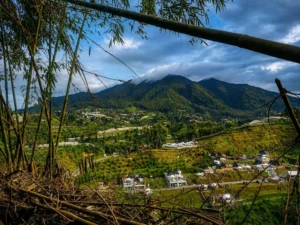
Dusun Warangan, located in the Munkey Village area of Magelang Regency, Central Java, became the epicenter of a massive cultural gathering from July 10 to 12, 2026, as it hosted the 25th edition of the renowned Festival Lima Gunung. This annual event, organized by the Komunitas Lima Gunung (Five Mountains Community), serves as a collaborative platform for various art groups residing on the slopes of five major mountains in the region: Mount Merapi, Mount Merbabu, Mount Andong, Mount Sumbing, and the Menoreh Hills. For a quarter of a century, this festival has stood as a testament to the resilience of grassroots culture, operating independently of government funding or corporate sponsorship, relying instead on the collective contributions and "gotong royong" (mutual cooperation) of the mountain communities.
The silver jubilee of the festival adopted a provocative and deeply philosophical theme: "Makin Goblok Bareng" (Becoming More Foolish Together). In an era increasingly dominated by digital certainty and the tendency for individuals to assert absolute correctness in online discourse, the theme serves as a poignant invitation to lower one’s ego. According to the organizers, the concept of "becoming foolish" is not a celebration of ignorance, but rather a call for intellectual humility, reminding participants and visitors alike to remain open to learning and to acknowledge the vastness of what they do not yet know.
Historical Context and the Evolution of the Five Mountains Community
To understand the significance of the 25th Festival Lima Gunung, one must look back at its origins in the early 2000s. Founded by cultural figure Sutanto Mendut alongside local farmer-artists, the community was established to provide a space for the agrarian populations of the Magelang highlands to express their artistic identities. Unlike urban art movements that often prioritize commercial success or academic validation, the Komunitas Lima Gunung is rooted in the daily lives of farmers, laborers, and village artisans.

Over the past 25 years, the festival has rotated through different mountain villages, ensuring that no single location bears the logistical burden indefinitely and that the economic and social benefits of the event are shared across the region. The 2026 event in Dusun Warangan marks a significant milestone, representing two and a half decades of artistic independence. The festival has survived various challenges, including volcanic eruptions from Mount Merapi and the global pandemic, consistently emerging as a vital pulse of Javanese contemporary folk art.
Event Chronology: Three Days of Mountain Artistry
The 2026 festival followed a meticulously planned yet organic schedule that integrated spiritual rituals, artistic performances, and social gatherings.
Day 1: The Opening and Spiritual Foundation
The festival commenced on July 10 with a series of traditional rituals unique to the Warangan community. The opening ceremony involved a "doa bersama" (collective prayer) led by local elders, seeking blessings for the land and the safety of the participants. This was followed by the installation of the main festival ornaments, all of which were crafted from biodegradable materials found in the immediate environment. The evening was dedicated to "sarasehan" (cultural dialogues), where community leaders and guest speakers discussed the implications of the "Makin Goblok Bareng" theme in the context of modern Indonesian society.
Day 2: Artistic Explosion and Cultural Exchange
July 11 saw the peak of artistic activity. From dawn until late at night, dozens of art troupes from the five mountains and invited groups from other Indonesian provinces performed on a stage designed to blend into the natural landscape. The day featured a diverse array of genres, from traditional "Kuda Lumping" and "Wayang Orang" to contemporary dance theater and experimental music. The presence of an archive gallery allowed visitors to trace the festival’s history through photographs, old posters, and physical artifacts from previous years.

Day 3: The Harvest Parade and Symbolic Closing
The final day, July 12, focused on the relationship between the community and the earth. The highlight was the "Arak-arakan Hasil Bumi" (Procession of Earth’s Bounty), a parade featuring "gunungan"—cone-shaped structures piled high with local produce. The festival concluded with a mass performance involving hundreds of dancers, symbolizing the unity of the five mountains, followed by the communal distribution of the produce from the gunungan, reinforcing the spirit of sharing.
Artistic Highlights and Symbolic Installations
One of the most striking features of Festival Lima Gunung XXV was the creative use of natural materials for site decoration. Dusun Warangan was transformed into an outdoor gallery where bamboo, straw, palm leaves, and recycled fibers were used to create intricate installations. These decorations were not merely aesthetic; they represented the community’s commitment to environmental sustainability and their rejection of the plastic-heavy consumerism often found in modern festivals.
In the performance arena, the "Mahesasura" dance by Sanggar Seni Batara emerged as a standout act. The performers donned elaborate costumes made of straw, dried leaves, and fibers, topped with masks bearing fierce, commanding expressions. The dance tells the story of the buffalo-headed demon Mahesasura, but in the context of the festival, it was reinterpreted as a metaphor for the human ego. The buffalo (mahesa) represents the wild, untamed nature of human desire and anger. The choreography depicted the struggle to control these base instincts, aligning perfectly with the theme of humility and self-regulation in the digital age.
Supporting Data and Socio-Economic Impact
The 2026 festival saw a record turnout, with local authorities estimating that over 15,000 visitors attended over the three-day period. This influx of people provided a significant boost to the local economy of Dusun Warangan and surrounding hamlets.

Data collected by local community cooperatives indicated:
- Accommodation: 85% of available "homestays" (village houses converted into guest rooms) were occupied, providing direct income to over 120 households.
- Culinary Sector: Local food vendors reported a 300% increase in daily revenue compared to standard weekend earnings, with a focus on traditional mountain snacks and organic produce.
- Participation: More than 60 art groups participated, involving approximately 1,200 performers ranging from children as young as five to elders in their eighties.
The "independent" nature of the festival means that these economic gains are retained within the community. There are no ticket prices for the performances; instead, the community practices a system of voluntary contributions and trade, where visitors are encouraged to support local vendors and artisans directly.
Statements from Key Figures and Participants
While official government representatives often attend as observers, the primary voices of the festival are the community members themselves. Riyanto, a local resident and coordinator for the Warangan site, emphasized the importance of the "gotong royong" spirit. "We did not ask for a budget from the district office. We used what we had—our bamboo, our labor, and our food. This festival belongs to the people of the mountains, and that is why it has lasted for 25 years," he stated during the opening ceremony.
Sutanto Mendut, the spiritual father of the community, elaborated on the 2026 theme. "In the city, everyone wants to be a professor, everyone wants to be an expert on social media. Here, we choose to be ‘goblok’ (foolish). When you are foolish, you are empty, and when you are empty, you can be filled with new wisdom. This is our medicine for the sickness of pride that is spreading through the internet."

Visitors also noted the unique atmosphere of the event. Anastasia Yessica, a cultural observer from Yogyakarta, remarked that the festival provides a "rare space for pure expression," where the barrier between the performer and the audience is virtually non-existent.
Broader Implications and Analysis
The success of Festival Lima Gunung XXV carries several implications for the future of Indonesian culture and rural development. Firstly, it demonstrates a viable model for "cultural sovereignty." In a globalized world where local traditions are often commodified for tourism, the Five Mountains Community maintains a strict policy of self-determination. They prove that high-quality cultural events can be sustained through social capital rather than financial capital.
Secondly, the festival serves as a crucial link between generations. In many parts of Indonesia, traditional arts are struggling to attract the youth. However, in the villages of Merapi and Merbabu, the festival has made traditional dance and music "cool" and relevant. By integrating contemporary themes and experimental aesthetics into traditional frameworks, the community ensures that their heritage remains a living, breathing entity rather than a museum piece.
Finally, the 2026 theme "Makin Goblok Bareng" offers a social critique of the digital divide. As Indonesia continues its rapid digital transformation, the festival acts as a "cultural brake," encouraging citizens to reconnect with the physical world, the soil, and their neighbors. It suggests that true progress is not just about technological advancement, but about maintaining the human qualities of humility, patience, and communal solidarity.

Conclusion and Future Outlook
As the dust settles in Dusun Warangan, the Komunitas Lima Gunung is already looking toward the future. The 25th anniversary has solidified the festival’s reputation as one of Indonesia’s most important independent cultural events. The transition of leadership to a younger generation of mountain artists ensures that the movement will continue to evolve.
The legacy of the 2026 festival will be remembered not just for the spectacular Mahesasura masks or the towering gunungan, but for the message it sent to a hyper-connected world: that sometimes, the most sophisticated thing a human being can do is to sit on the ground, acknowledge their limitations, and learn from the person sitting next to them. For the people of the five mountains, the journey toward "becoming more foolish together" has only just begun, promising many more years of creative resistance and communal joy.