Socio Today
The 2026 FIFA World Cup, co-hosted across the vast territories of the United States, Mexico, and Canada, transcended the traditional boundaries of sports, morphing into a global digital spectacle that dramatically reshaped the social media landscape for its participating athletes and nations. Beyond the thrilling matches and unforgettable moments on the pitch, this monumental tournament served as a powerful catalyst, propelling many players, particularly those from unexpected quarters, to unforeseen levels of online stardom and significantly amplifying the digital footprint of the sport’s established giants. Data compiled by Meta, the parent company of Instagram, Facebook, and WhatsApp, reveals a staggering surge in follower counts, illustrating the profound impact of the world’s most-watched sporting event on digital connectivity and player branding.
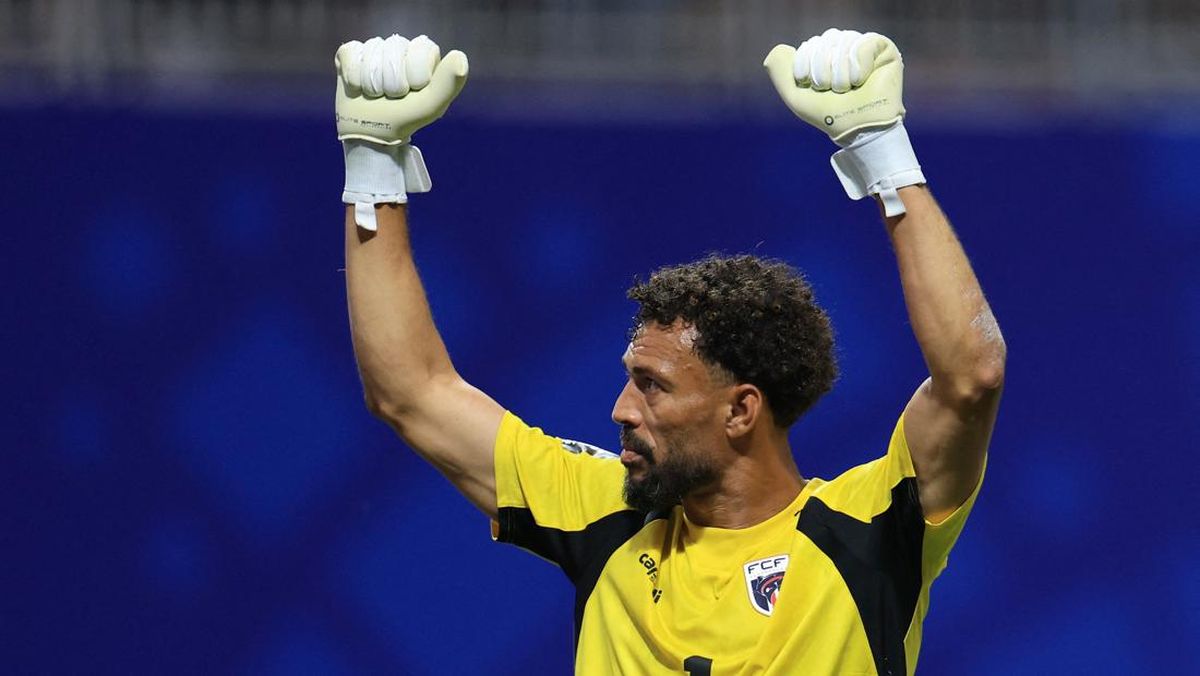
At the forefront of this digital revolution was Vozinha, the veteran goalkeeper for Cape Verde, whose incredible journey captured the imagination of millions worldwide. Displaying a series of heroic performances between the posts for the island nation, the 40-year-old shot-stopper saw his Instagram followers skyrocket from a modest 37,000 to an astonishing 28.8 million during the month-long tournament. This meteoric rise represents an astounding increase of nearly 77,000 percent, making Vozinha the player with the highest percentage growth in followers throughout the 2026 World Cup. His narrative, that of an experienced underdog defying expectations on the global stage, resonated deeply with fans, turning him into an overnight sensation and a symbol of the tournament’s unpredictable magic.
The Unprecedented Rise of Vozinha and Cape Verde
Vozinha’s remarkable ascent is not merely a statistical anomaly but a testament to the power of compelling performance coupled with the instantaneous global reach of social media. Before the tournament, Vozinha was a respected but largely unknown figure outside of African football circles. His transformation into a global social media icon highlights several key aspects of modern sports fandom: the hunger for authentic underdog stories, the appreciation for individual brilliance regardless of superstar status, and the direct, unfiltered access social media provides to athletes. Each crucial save, each defiant stand against formidable opponents, translated almost immediately into a surge of new followers eager to connect with his journey.
This individual triumph was mirrored by the collective success of his national team. Cape Verde, a nation of just over half a million people, experienced an equally extraordinary surge in its digital presence. The team’s collective Instagram followers grew by an astounding 32.1 million, an increase of over 2,000 percent. This simultaneous growth underscores the symbiotic relationship between individual player popularity and national team brand building. As Vozinha captivated audiences, so too did the story of Cape Verde, a team that punched above its weight and etched its name into World Cup lore. This digital recognition could translate into long-term benefits for Cape Verdean football, potentially attracting more investment, talent, and international exposure.
Haaland’s Amplified Stardom
While Vozinha’s rise was a story of discovery, Erling Haaland’s experience at the 2026 World Cup was one of amplified stardom. Already a globally recognized superstar and prolific goal-scorer for Manchester City, Haaland leveraged the World Cup platform to further consolidate his immense popularity. The Norwegian striker amassed an additional 23 million new followers on Instagram, nearly doubling his pre-tournament total. By the conclusion of the event, Haaland’s follower count had soared to an impressive 63.7 million. His consistent goal-scoring prowess and charismatic presence ensured that even as a player already at the pinnacle of the sport, the World Cup provided an unparalleled stage to expand his global fanbase and reinforce his status as one of football’s most marketable athletes.
The Enduring Dominance of Football’s Icons
Even for the undisputed titans of the sport, the World Cup proved to be a significant growth engine. Cristiano Ronaldo, the Portuguese maestro, continued to solidify his position as the most-followed human on Instagram. He added another 10 million followers during the tournament, pushing his colossal total to an astounding 676 million. This incremental growth, even from such an astronomical base, underscores the enduring appeal and global magnetism of Ronaldo, whose World Cup appearances remain must-watch events for billions. Neymar Jr. of Brazil followed suit, gaining 6.5 million new followers, while Argentine legend Lionel Messi, fresh off his incredible 2022 World Cup triumph, saw his Instagram community expand by an additional 5.6 million. These figures demonstrate that while new stars emerge, the World Cup concurrently reinforces the digital empires of football’s established royalty, maintaining their unparalleled influence and reach.
Meta’s Ecosystem: The Digital Stadium Experience
The collective impact of the 2026 World Cup on social media was colossal. Across all participating players, a staggering 213.6 million new followers were accumulated between June 11 and July 11, 2026. This influx pushed the total follower count for all players from 3.26 billion to 3.47 billion, illustrating the tournament’s immense power to drive digital engagement on a global scale. Rob Pilgrim, Meta’s Global Football Lead, articulated the critical role of Meta’s platforms in this ecosystem. "During 90 minutes of gameplay on television screens, fans flocked to our applications to extend the excitement beyond the match itself," Pilgrim stated. "This ranged from joining communities and conversations to sharing clips and memes, truly making our platforms a digital stadium where the euphoria continued."
This observation highlights a fundamental shift in sports consumption. Fans are no longer content with merely watching a game; they seek to participate, react, and share their experiences in real-time. Social media platforms provide this crucial interactive layer, transforming passive viewership into active engagement. The immediacy and accessibility of platforms like Instagram allow fans to feel closer to their idols, follow their behind-the-scenes moments, and join a global community of like-minded supporters. This active participation fosters a deeper sense of connection to the sport, its teams, and its stars, ultimately enriching the overall World Cup experience.
Beyond Instagram: Cross-Platform Engagement
Meta’s influence extended far beyond Instagram, demonstrating the multi-faceted ways fans engaged with the World Cup across its family of applications. WhatsApp, the popular messaging service, recorded a new traffic record, processing an astonishing 29 million messages per second during the thrilling Round of 16 clash between Argentina and Egypt. This extraordinary spike underscores WhatsApp’s role as a primary channel for private, real-time conversations among friends and family, where reactions, analyses, and celebrations of live football unfold organically. The sheer volume of messages indicates the deep emotional investment and communal experience associated with major sporting events.
Threads, Meta’s newer text-based social media platform, also proved its relevance. Posts featuring the #WorldCup hashtag generated an impressive 1.5 billion impressions, indicating a significant level of public discourse and trending topic engagement. Meanwhile, Facebook, Meta’s flagship platform, registered over 80 million posts related to the World Cup, showcasing its continued importance as a hub for broader community discussions, news sharing, and content consumption among a diverse global audience. These cross-platform statistics paint a comprehensive picture of how Meta’s ecosystem facilitated an all-encompassing digital experience for the 2026 World Cup, catering to different modes of fan interaction, from intimate group chats to public global conversations.
The Business of Buzz: Implications for Players and Brands
The dramatic increases in social media followers carry significant commercial implications for both players and the brands that seek to partner with them. For emerging stars like Vozinha, an astronomical jump in followers translates into vastly increased marketability and potential endorsement deals. Brands are increasingly looking beyond traditional metrics to measure influence, recognizing that a large, engaged social media following offers direct access to target demographics. For established icons, maintaining and growing their digital audience reinforces their status as global brand ambassadors, commanding premium rates for their endorsements and sponsorships.
Sports marketing analysts note that the World Cup provides a unique, concentrated window for players to elevate their personal brands. The intensity of the tournament, the emotional highs and lows, and the shared global experience create fertile ground for virality and rapid audience acquisition. For national federations, the surge in team followers, such as that experienced by Cape Verde, can lead to enhanced sponsorship opportunities, increased merchandising sales, and greater appeal for friendly matches or international tournaments. The digital footprint becomes a tangible asset, contributing to the financial health and global standing of the sport.
The Evolving Landscape of Fan Interaction
The 2026 World Cup’s social media impact underscores a fundamental shift in how fans interact with sports. The days of purely passive consumption are rapidly receding, replaced by an active, participatory model where fans are co-creators of the narrative. They engage in instant commentary, create memes, share highlights, and form digital communities that transcend geographical boundaries. This evolving landscape presents both opportunities and challenges for sports organizations, broadcasters, and athletes. The opportunity lies in deeper engagement, personalized content delivery, and direct communication with a global fanbase. The challenge involves managing vast digital communities, combating misinformation, and ensuring authenticity in an increasingly crowded online space.
The tournament also highlighted the democratizing power of social media. While major networks often focus on star players and top-tier nations, platforms like Instagram allow for the organic rise of unexpected heroes, giving a voice and a platform to players and teams from smaller footballing nations. Vozinha’s story is a prime example of this phenomenon, proving that captivating performances can capture global attention regardless of prior fame or national pedigree. This aspect enriches the World Cup experience by broadening its narrative beyond the predictable, celebrating the diverse tapestry of global football.
Conclusion: A New Era of Global Sporting Connection
The 2026 FIFA World Cup will undoubtedly be remembered not only for its on-field drama and historic achievements but also as a landmark event in the convergence of global sport and digital culture. The unprecedented surge in social media followers, particularly for breakout stars and national teams, illustrates the tournament’s immense power to forge new connections and amplify existing ones. Meta’s platforms, from Instagram’s visual storytelling to WhatsApp’s intimate conversations and Threads’ public discourse, served as the digital arenas where the World Cup’s emotional energy continued to reverberate long after the final whistle. This phenomenon signals a new era for sports, where digital presence is as crucial as on-field performance in shaping legacies, driving commercial value, and connecting billions of fans across the planet. The 2026 World Cup has set a new benchmark for how global sporting events can transcend their traditional boundaries and become truly immersive, interactive, and digitally pervasive experiences.