Socio Today
The global laptop market is witnessing a transformative shift as Gigabyte, a prominent leader in high-performance computing, officially launched its latest series of gaming and professional-grade laptops. This comprehensive refresh spans four distinct tiers, meticulously designed to cater to a wide spectrum of users, ranging from professional esports athletes and creative content producers to casual gamers and entry-level enthusiasts. By integrating cutting-edge silicon from AMD and NVIDIA with its proprietary on-device AI assistant, GiMATE, Gigabyte is positioning its 2026 portfolio as a cornerstone for the next era of personal computing.

A Strategic Segmentation of High-Performance Computing
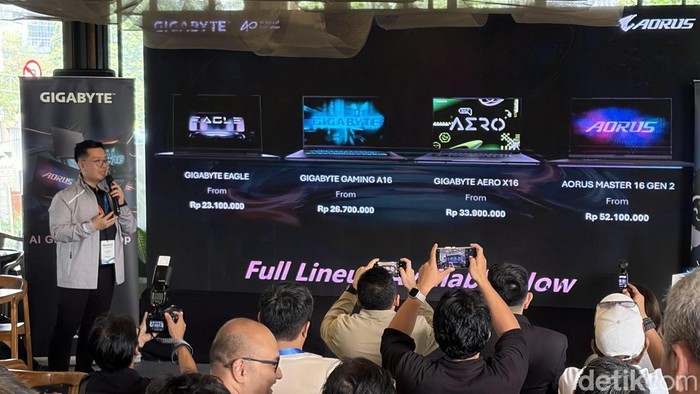
Gigabyte’s latest release represents a departure from monolithic product designs, opting instead for a granular segmentation strategy. The four new tiers—Aorus Master 16 Gen 2, Aero X16, Gaming A16, and the Gigabyte Eagle—are engineered to address the specific performance bottlenecks and feature requirements of their respective target demographics.
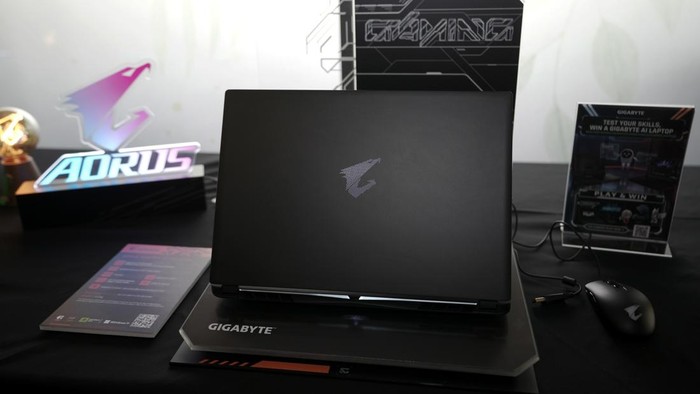
At the pinnacle of this hierarchy is the Aorus Master 16 Gen 2. Designed for hardcore gamers and competitive esports professionals, this flagship device is built to handle extreme computational loads. It features the formidable AMD Ryzen 9 9955HX3D processor paired with the NVIDIA GeForce RTX 5080 Laptop GPU. The inclusion of the "3D" V-Cache technology in the processor suggests a focus on maximizing frames-per-second (FPS) in CPU-bound gaming scenarios, a critical requirement for professional-level play.

The Aero X16 occupies the mid-to-high tier, specifically tailored for the creator economy. With a balance of aesthetics and raw power, the machine utilizes the AMD Ryzen AI 7 350 processor and the RTX 5070, providing a workstation-class experience in a portable, 16.75mm-thick chassis. Meanwhile, the Gaming A16 serves as the "all-rounder" for users who oscillate between demanding productivity tasks and gaming. Finally, the Gigabyte Eagle provides an accessible entry point for those purchasing their first dedicated gaming laptop, balancing affordability with the essential performance of the RTX 4050 GPU.
Technological Synergy: The Rise of On-Device AI
The hallmark of this new collection is the integration of GiMATE, Gigabyte’s proprietary on-device AI assistant. Unlike cloud-based AI solutions that rely on continuous internet connectivity and remote server processing, GiMATE leverages the local neural processing units (NPUs) and GPU acceleration inherent in the latest AMD and NVIDIA hardware.

Industry analysts observe that this move toward on-device AI is a response to growing consumer concerns regarding data privacy and latency. By running a Large Language Model (LLM) locally, Gigabyte ensures that sensitive user data—such as creative projects, personal communications, or private gaming strategies—remains on the physical drive rather than being transmitted to a public cloud. This "edge AI" approach not only enhances security but also provides instantaneous responsiveness, a feature that will be particularly useful for gamers seeking real-time tactical advice or creators automating repetitive software workflows.
Engineering Excellence: Cooling and Visual Fidelity
Beyond raw silicon, Gigabyte has overhauled its thermal management systems. The Aorus Master 16 Gen 2 introduces the Windforce Infinity Ex cooling solution, which utilizes a sophisticated combination of vapor chambers and the upgraded Frost Fan 2.0 system. This design is essential to support the system’s massive 230W power envelope, ensuring that performance does not throttle under sustained thermal stress.
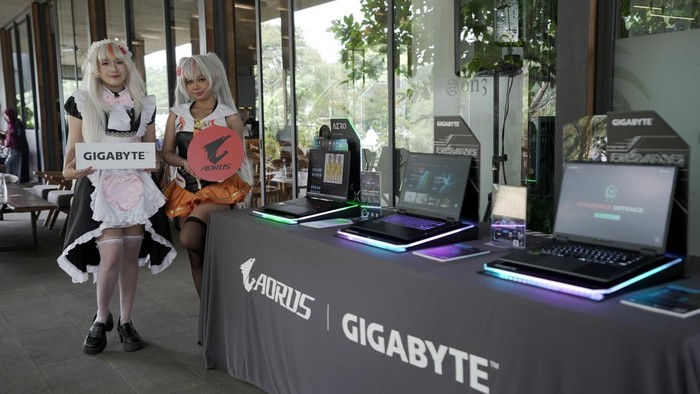
Visual performance has also received a significant upgrade. The Aorus flagship model features a 16:10 2.5K OLED panel with a 240Hz refresh rate and 100% DCI-P3 color gamut coverage. This display specification indicates a move toward professional color accuracy, which is becoming increasingly vital as gaming laptops are frequently repurposed for high-end video editing and 3D rendering. Complementing the visual experience are the quad Dual-force speakers equipped with Dolby Atmos, aiming to provide an immersive soundstage that rivals external audio setups.
Chronology and Market Evolution
The launch of these devices follows a broader industry trend observed throughout the first half of 2026. Following the introduction of AI-ready chips by major semiconductor manufacturers, OEMs (Original Equipment Manufacturers) have been in a race to implement these features into mobile form factors.
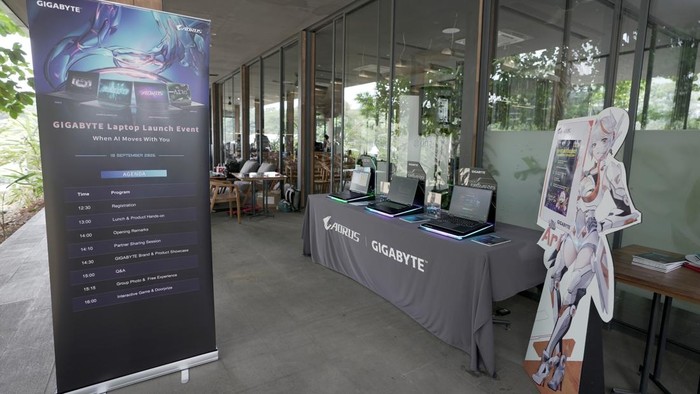
Gigabyte’s product development cycle for this specific line began in early 2025, with a focus on optimizing the integration of AMD’s Ryzen AI architecture. By mid-2026, the company successfully transitioned from prototype testing to full-scale manufacturing, ensuring that the laptops were ready for the back-to-school and end-of-year holiday markets. This launch underscores the rapid pace of innovation in the laptop sector, where hardware lifecycles are now being dictated by the rapid evolution of AI software capabilities.
Comparative Analysis of the New Lineup
To better understand the market positioning of these devices, it is helpful to look at the comparative technical specifications across the four series:
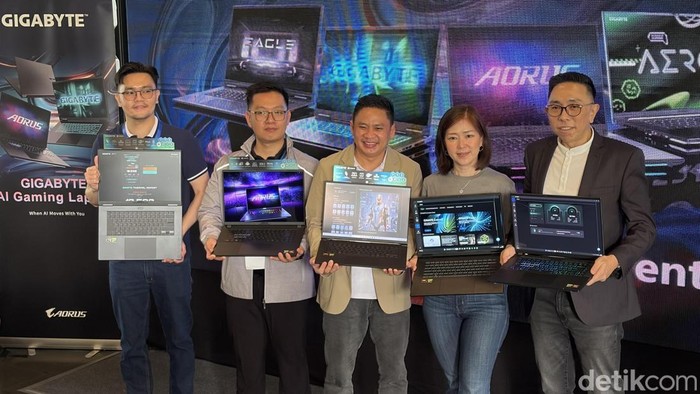
- Aorus Master 16 Gen 2: The "Powerhouse." Targeted at enthusiasts, featuring top-tier cooling, OLED visuals, and maximum wattage for demanding titles.
- Aero X16: The "Professional." Prioritizes build quality (Moonlight White metal chassis), weight (1.9 kg), and portability, with a battery life reaching 14 hours.
- Gaming A16: The "Utility." Focuses on flexibility, including a 180-degree hinge, AI-driven power management (AI Power Gear III), and a 12-hour battery life.
- Gigabyte Eagle: The "Entry-Level." Designed for value, utilizing the RTX 4050 and a 165Hz display to provide the quintessential gaming experience for newcomers.
Implications for the Industry
The introduction of this lineup signals a potential shift in how gaming laptops are marketed. Traditionally, manufacturers focused almost exclusively on GPU performance. However, with the rise of AI, the definition of a "gaming" laptop is expanding to include "AI-productivity." By incorporating AI-optimized hardware across all tiers, Gigabyte is effectively "future-proofing" its inventory.
Furthermore, the emphasis on power efficiency—specifically through technologies like AI Power Gear III—suggests that manufacturers are finally addressing the historical weakness of high-performance laptops: battery longevity. If Gigabyte can maintain its claims of 12 to 14 hours of battery life under typical productivity workloads, it will significantly increase the appeal of these machines to students and professionals who previously avoided high-end gaming hardware due to its lack of portability and tethering to a power outlet.
Official Stance and Market Reception
While Gigabyte has not released specific sales projections, internal documentation and statements from product leads indicate a high degree of confidence in the "GiMATE" ecosystem. The company views the LLM-powered assistant as a key differentiator in a crowded market. By developing the LLM in-house, Gigabyte maintains control over the software experience, allowing them to push firmware updates that specifically tune the AI to better handle gaming performance, power management, and system diagnostics.
Early reactions from technology critics and industry analysts have been largely positive, particularly regarding the aesthetic refinement of the Aero X16 and the thermal performance of the Aorus line. The consistent 16:10 aspect ratio across the board—a design trend that provides more vertical screen real estate—has also been lauded for its utility in productivity software, where toolbars and timelines often occupy the bottom of the screen.
Conclusion: Setting the Standard for 2026
Gigabyte’s latest laptop series is a testament to the convergence of gaming performance and artificial intelligence. By successfully navigating the complexities of high-wattage cooling, power-efficient processing, and local AI implementation, the company has provided a clear roadmap for the remainder of the year. Whether for the elite gamer demanding the highest fidelity, the creator requiring color accuracy and portability, or the student entering the world of high-performance computing, Gigabyte’s new portfolio offers a sophisticated and tailored solution. As the year progresses, the true test will be how these machines perform in the wild, but on paper, Gigabyte has firmly secured its position at the forefront of the mobile computing evolution.