Socio Today
School is widely recognized as a foundational pillar in a child’s cognitive, social, and emotional development. However, the daily routine of waking up, preparing, and heading to the classroom is not always met with enthusiasm. For many families, mornings can transform into a battleground characterized by sudden tears, unexplained stomachaches, resistance to waking up, or persistent pleas to stay home. When a child abruptly refuses to attend school, parents are frequently left navigating a complex maze of confusion, worry, and frustration.
This behavioral shift often triggers immediate parental anxiety, especially when the pattern repeats over consecutive days. A common pitfall is hastily attributing this reluctance to sheer laziness or a simple desire to stay home and play. Child development experts and educational psychologists emphasize that school refusal—often distinct from simple truancy—is rarely rooted in defiance alone. More often than not, it serves as an outward behavioral manifestation of underlying fear, mounting anxiety, social pressure, or academic distress that the child lacks the verbal maturity to articulate. Understanding the root causes and implementing strategic, empathetic interventions is crucial for restoring normalcy and safeguarding the child’s long-term educational trajectory.
Understanding School Refusal Versus Truancy
In clinical and educational contexts, a distinct line is drawn between truancy and school refusal, though both result in a child missing class. Truant children typically skip school without their parents’ knowledge, often spending the time engaged in other activities, and generally do not experience severe anxiety about attending school itself. Conversely, children exhibiting school refusal stay home with the parents’ knowledge—even if the parents are reluctant—and their absence is typically driven by intense emotional distress, somatic complaints, or paralyzing anxiety related to the school environment.
According to data from mental health organizations, including the Child Mind Institute, school refusal affects approximately 1 to 5 percent of school-aged children, spanning across all demographic backgrounds. It can manifest at any point during a child’s academic career, though it is frequently observed during transitional phases, such as entering kindergarten, transitioning to middle school, or moving to a new high school. The repercussions of unaddressed school refusal can be severe, potentially leading to chronic absenteeism, academic decline, social isolation, and heightened risks of long-term anxiety disorders.
Key Strategies for Parents: Listening and Validating Without Judgment
When confronted with a child who digs their heels in at the front door, the immediate parental response often oscillates between pleading and disciplinary threats. Experts, however, advise a measured, calm approach. The first and most critical step is active listening without immediate judgment or punitive reactions.
Parents should carve out dedicated, unhurried time to converse with the child in a neutral setting. Instead of asking broad, intimidating questions like "Why won’t you go to school?", framing inquiries around specific aspects of the school day can yield better results. Inquiring about interactions with teachers, the status of specific homework assignments, playground dynamics, and peer relationships can help isolate the pain point. Often, children harbor fears related to academic performance, fear of failure, or interpersonal conflicts that they fear will bring disappointment to their parents.
Decoding Physical Symptoms: Separating Medical Ailments from Anxiety
One of the most confounding aspects of school refusal is the presence of legitimate-sounding physical complaints. Children frequently report severe headaches, stomachaches, nausea, dizziness, or generalized fatigue precisely as departure time approaches.
Parents must navigate a delicate balance here. These physical symptoms are rarely manipulative fabrications; rather, they are often genuine somatic manifestations of high anxiety. The psychological distress of facing a feared environment triggers a physiological fight-or-flight response, leading to real physical pain.
Best practices dictate a preliminary consultation with a pediatrician to rule out underlying organic medical conditions. If physical tests return normal and the symptoms miraculously vanish on weekends or during school holidays, parents can reasonably deduce that the physical ailments are stress-induced. Acknowledging the child’s physical discomfort while gently framing it as a reaction to worry can help the child connect their emotional state to their physical feelings.
The Danger of Prolonged Home Confinement
When a child successfully avoids school due to illness, a holiday, or a brief family trip, re-entry can occasionally prove challenging. However, allowing a child to remain at home for extended periods specifically to escape school anxiety can inadvertently exacerbate the problem.
Prolonged home confinement reinforces the avoidance behavior, validating the child’s underlying fear that the school environment is inherently dangerous or unmanageable. Furthermore, staying home often provides secondary gains—such as unfettered access to video games, television, or parental attention—which makes the prospect of returning to the structured, demanding environment of a classroom even less appealing.
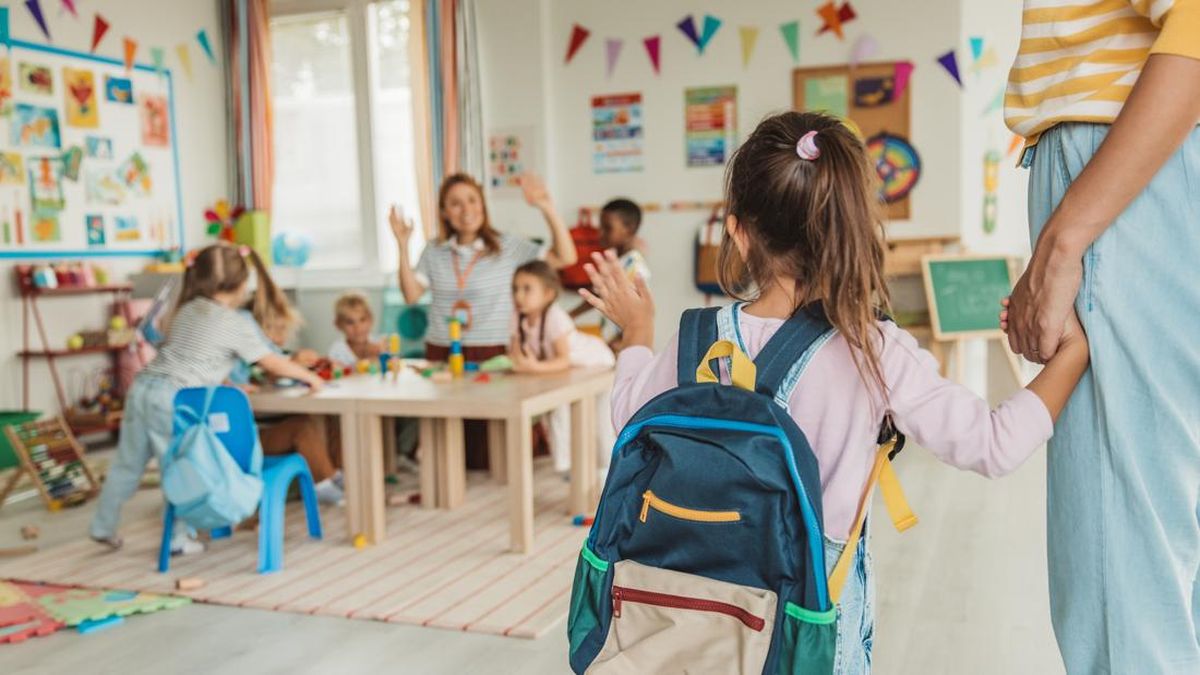
To counteract this, parents must maintain open lines of communication with teachers and school administrators. Informing the school of the child’s struggles allows educators to prepare a welcoming environment and offer gentle support upon the child’s return, facilitating a smoother transition back into the daily routine.
Comprehensive Environmental Assessment: Identifying Hidden Stressors at School
A thorough investigation into the child’s school ecosystem is essential. Parents should adopt a detective mindset, looking beyond surface-level explanations to identify potential stressors. These may range from subtle academic difficulties—such as struggling to keep pace with a specific subject—to more overt social challenges like peer friction, social exclusion, or bullying.
Crucially, experts advise against rushing to conclusions or prematurely accusing peers or staff of wrongdoing. Instead, cultivating a collaborative relationship with teachers, school counselors, and principals yields a more accurate picture of the child’s daily experience. Building an environment where daily check-ins are normalized encourages the child to share minor grievances before they compound into full-scale refusal crises.
Recognizing Chronic Patterns and Knowing When to Seek Professional Help
Occasional reluctance to attend school is a normal part of childhood and does not automatically signal a systemic crisis. However, parents must exercise heightened vigilance if the avoidance behavior persists across multiple days, weeks, or months.
Red flags indicating a deeper issue include frequent tardiness, regular requests to be picked up early from the nurse’s office, chronic complaints of minor illnesses during the school day, or pervasive distress that disrupts the entire household. When avoidance reaches this chronic threshold, professional intervention is strongly recommended.
School refusal is rarely diagnosed as a standalone psychological disorder; rather, it is often a symptom of underlying conditions such as separation anxiety disorder, social anxiety disorder, generalized anxiety disorder, depression, or panic disorders. Licensed child psychologists, psychiatrists, and clinical social workers are equipped to conduct comprehensive evaluations. Evidence-based interventions, such as Cognitive Behavioral Therapy (CBT), are frequently deployed to help children reframe catastrophic thinking patterns, develop healthy coping mechanisms for distress, and gradually re-engage with academic life.
Implementing Gradual Re-Entry Plans
For children who have been out of school for an extended period, the prospect of returning for a full, uninterrupted academic day can be profoundly overwhelming. In such scenarios, cold-turkey approaches often fail, triggering a relapse of intense anxiety.
A graduated re-entry plan offers a structured, supportive pathway back to normalcy. Educational and mental health professionals often recommend starting with low-stakes exposure. This may begin simply by driving past the school building, walking the perimeter, or visiting the campus during quiet hours, such as a weekend afternoon, to rebuild a sense of physical safety and familiarity.
Once the child demonstrates increased comfort with the physical space, the plan can progress to micro-doses of attendance. This could involve attending just a single preferred class, participating in a non-academic extracurricular activity, or spending half a day at school before gradually scaling back up to a full schedule. Throughout this phased approach, positive reinforcement and consistent validation of small milestones reinforce the child’s resilience.
Broader Implications and the Imperative of Early Intervention
The phenomenon of school refusal carries broader systemic implications for educational institutions, public health frameworks, and family units alike. Unaddressed absenteeism during formative years correlates strongly with lower high school graduation rates, diminished lifetime earnings, and an increased vulnerability to adult psychiatric conditions.
Consequently, educational policymakers and child welfare advocates increasingly emphasize the need for integrated mental health resources within school systems. Equipping teachers and school counselors to recognize early signs of emotional distress allows for timely interventions before temporary reluctance hardens into chronic school phobia.
Ultimately, navigating school refusal requires an amalgam of patience, active listening, structural consistency, and, when necessary, professional guidance. Parents are urged to act decisively at the first sign of prolonged resistance. By addressing the root causes collaboratively—in partnership with educators and healthcare professionals—families can transform a period of acute crisis into an opportunity for emotional growth, resilience-building, and the successful restoration of a healthy educational routine.