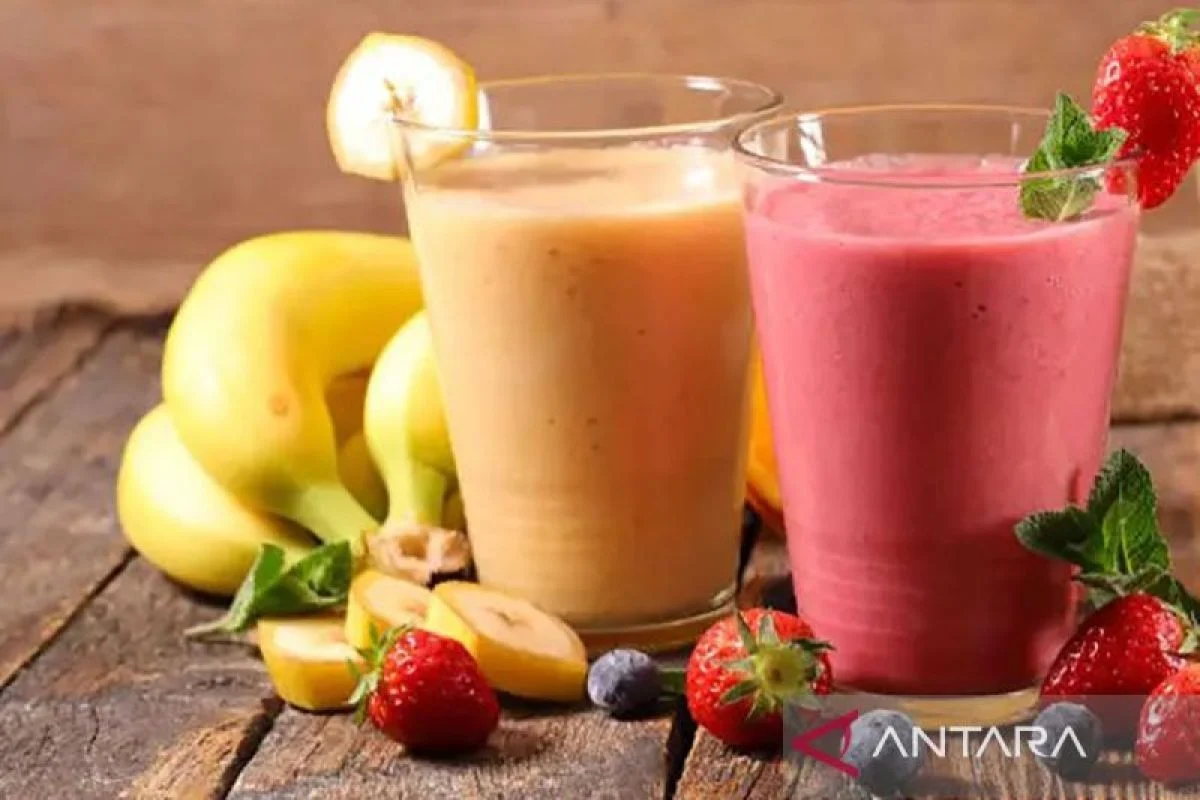
The practice of blending fruits into smoothies has become a staple of modern dietary habits, offering a convenient method for individuals to incorporate essential micronutrients into their daily intake. Among the most popular combinations is the strawberry and banana blend—a mixture that marries the vitamin C-dense profile of strawberries with the energy-rich, potassium-heavy composition of bananas. While often viewed as a simple refreshment, the nutritional profile of this combination provides a tangible contribution to a balanced diet when integrated with broader, holistic nutritional strategies.
Nutritional Foundations and Biochemical Contributions
The synergy between strawberries and bananas is rooted in their distinct botanical and nutritional profiles. Strawberries (Fragaria × ananassa) are widely recognized for their high concentration of ascorbic acid, commonly known as vitamin C. According to clinical data from the Cleveland Clinic, a 100-gram serving of fresh strawberries can provide approximately 59.6 milligrams of vitamin C, an essential nutrient involved in the synthesis of collagen, the facilitation of wound healing, and the enhancement of non-heme iron absorption.
Conversely, the banana (Musa acuminata) serves as a potent source of dietary potassium and carbohydrates. The Harvard T.H. Chan School of Public Health identifies a medium-sized banana as containing roughly 450 milligrams of potassium. This mineral is critical for maintaining fluid balance, conducting nerve impulses, and regulating muscular contractions, including those of the cardiac muscle. When these fruits are combined, the resulting beverage functions as a vehicle for a complex array of antioxidants, minerals, and vitamins.
The Role of Antioxidants and Cellular Defense
Beyond basic vitamins and minerals, strawberries are significant for their content of anthocyanins—a sub-class of polyphenols that provide the fruit with its characteristic deep red pigmentation. Research in nutritional science has consistently highlighted the role of these compounds as potent antioxidants. These substances act to neutralize reactive oxygen species, thereby mitigating oxidative stress at the cellular level.
When integrated into a daily dietary regimen, these antioxidants support the body’s endogenous defense mechanisms. However, it is imperative to distinguish between dietary support and medicinal intervention. Nutritional experts emphasize that while these smoothies contribute to systemic health, they do not function as a cure for acute or chronic illnesses. Their value is optimized when consumed as part of a diverse, nutrient-dense diet, rather than as a standalone solution for health maintenance.
Dietary Fiber and Metabolic Health
One of the most significant variables in the health impact of a fruit smoothie is the method of preparation, particularly regarding fiber retention. Dietary fiber is essential for maintaining gastrointestinal motility and promoting satiety. When fruit is processed using a blender—provided the entire flesh is utilized—the insoluble and soluble fiber content is largely preserved.
However, mechanical processing reduces the particle size of the fruit, which can alter the rate at which sugars are absorbed by the bloodstream. For individuals monitoring glycemic response, such as those with pre-diabetes or diabetes, the rapid intake of blended fruit sugars can cause a sharper rise in blood glucose compared to consuming the fruits in their whole, intact state. Consequently, nutritionists often suggest that while smoothies are beneficial, they should not entirely replace whole fruit consumption, which necessitates more mechanical digestion and promotes better blood sugar regulation.
Guidelines for Preparation and Consumption
The global health community has increasingly focused on the role of liquid calories in the obesity epidemic. The United Kingdom’s National Health Service (NHS) provides a notable benchmark, suggesting that total intake of fruit juices and smoothies be limited to approximately 150 milliliters per day. This recommendation serves as a safeguard against excessive fructose intake, which can lead to metabolic complications if consumed in high volumes.
To maximize the health benefits of a strawberry-banana blend, preparation protocols are critical:
- Source Selection: Utilize fresh, seasonal produce to ensure the highest concentration of volatile nutrients and to avoid the sodium or preservative content often found in canned or processed fruit products.
- Exclusion of Added Sugars: The natural fructose in bananas and the sweetness of strawberries are generally sufficient for flavor. The addition of syrups, honey, or condensed milk significantly alters the glycemic index and caloric density of the drink, often turning a healthy snack into a high-calorie dessert.
- Fiber Integrity: Avoid straining the mixture. Retaining the pulp is essential for the digestive benefits of the fiber content.
- Protein and Fat Integration: To further mitigate the glycemic impact, some nutritionists recommend adding a source of protein or healthy fat, such as plain, unsweetened Greek yogurt or a small amount of nut butter. This slows the absorption of sugars and provides a more sustained energy release.
Addressing Dietary Restrictions and Medical Contraindications
While the nutritional benefits are well-documented, specific health conditions necessitate caution. Patients with chronic kidney disease (CKD), for example, must often manage their potassium intake strictly, as impaired renal function can lead to hyperkalemia—an elevated level of potassium in the blood that can cause dangerous cardiac arrhythmias.
For these individuals, the high potassium content of a banana is not a health benefit but a clinical risk. Consequently, any significant dietary change, including the frequent consumption of fruit smoothies, should be cleared by a primary care physician or a registered dietitian. The broader implication is that "healthy" food is context-dependent; a nutritious ingredient for the general population can be contraindicated for those with specific metabolic or organ-related dysfunctions.
Broad Implications for Public Health
The rise of the "smoothie culture" reflects a broader trend toward health-conscious consumerism. From a public health perspective, the transition from processed beverages to home-prepared fruit blends is a positive development. It represents a shift away from high-fructose corn syrup and artificial flavoring agents toward nutrient-dense, plant-based options.
However, the educational gap regarding portion control and the definition of a "balanced diet" remains a challenge. A smoothie is an addition to a diet, not a substitute for the structural benefits of eating whole, fibrous foods. Furthermore, the reliance on single-type smoothies can lead to a lack of dietary diversity. Nutrition experts advocate for "rotating" the ingredients in one’s smoothies—incorporating leafy greens, seeds, and various seasonal berries—to ensure a wide spectrum of micronutrient exposure.
Conclusion: A Measured Approach to Nutrition
In summary, the strawberry and banana smoothie remains an effective, accessible, and scientifically supported option for improving dietary intake. By providing a combination of vitamin C, potassium, fiber, and polyphenolic antioxidants, this blend addresses several key physiological needs.
The key to unlocking these benefits lies in the methodology: keeping the preparation simple, avoiding unnecessary sweeteners, monitoring portion sizes to align with global health guidelines, and maintaining a high level of variety in one’s overall diet. As with all nutritional practices, consistency, moderation, and an awareness of one’s own clinical requirements are the pillars of long-term health. While a simple glass of blended fruit cannot replace a comprehensive approach to wellness, it serves as a valuable, evidence-based component of a proactive health strategy in an increasingly fast-paced world.