The Caribbean culinary landscape is globally celebrated for its vibrant profiles, characterized by a complex fusion of indigenous Taíno traditions, African heritage, and the indelible marks of European colonialism. However, beneath the aromatic spices and tropical flavors lies a narrative of resilience, survival, and historical trauma. Many of the region’s most iconic dishes are not merely products of gastronomic evolution but are tangible remnants of the transatlantic slave trade, colonial subjugation, and the ingenuity of displaced populations. Analyzing these culinary staples provides a window into the socio-economic pressures that defined the Caribbean from the 17th to the 19th centuries.
The Intersection of Colonialism and Culinary Identity
The history of Caribbean food is inextricably linked to the "Plantation Economy." Between the 1600s and 1800s, European powers—primarily Britain, France, Spain, and the Netherlands—transformed the islands into intensive agricultural hubs for sugar, coffee, and spices. This system relied heavily on the forced labor of enslaved Africans, whose dietary sustenance was often limited to the "refuse" or secondary products discarded by colonial masters.

The resulting cuisine, often termed "creolized," represents a synthesis of necessity and cultural preservation. Indigenous techniques for preserving crops, such as the processing of cassava, were merged with African cooking methods, which emphasized long-simmering techniques and the heavy use of aromatics to mask the limitations of their meager rations.
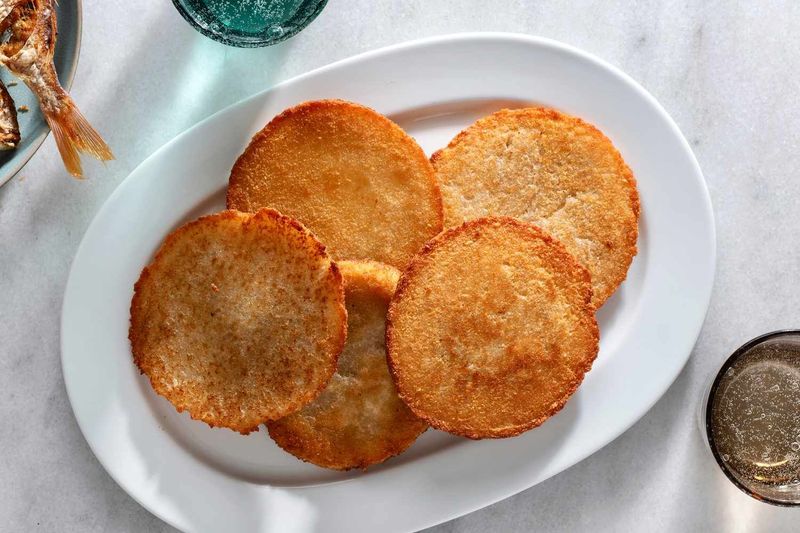
1. Bammy: The Ancient Survival Strategy of the Taíno
The history of Bammy, a dense, flat cassava bread originating from Jamaica, dates back to the indigenous Taíno people. Cassava, or manioc, is a staple root vegetable that naturally contains cyanogenic glycosides. If consumed raw, the cyanide content can be fatal. The Taíno developed a sophisticated, labor-intensive process to render the root safe, involving grating, pressing out the toxic juice, and dehydrating the starch.
This process is not merely a recipe; it is an early example of indigenous food science. The transition of the "cazabe" (the original flatbread) into the modern Bammy illustrates how the enslaved population adopted these indigenous techniques to supplement their rations. Today, Bammy is recognized as a vital part of Jamaica’s cultural heritage, reflecting a transition from a survival mechanism to a celebrated national staple.
2. Soup Joumou: A Liquid Testament to Sovereignty
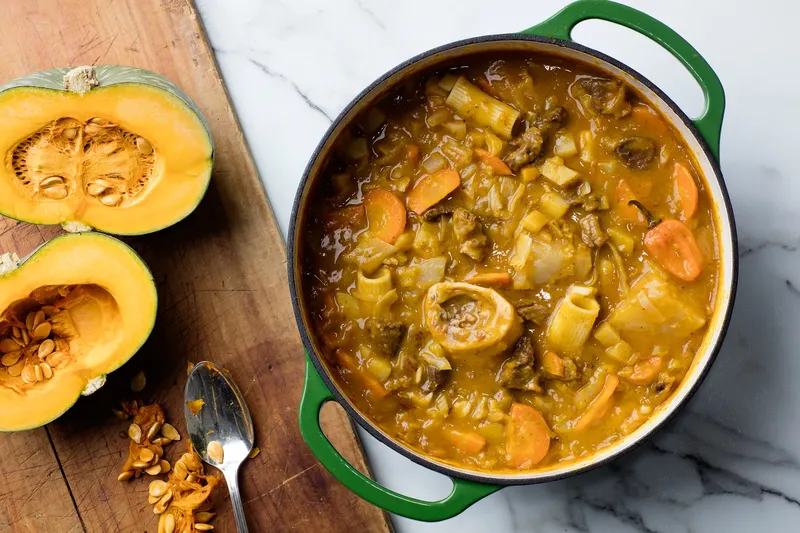
Perhaps the most politically charged dish in the Caribbean is Haiti’s Soup Joumou. Historically, the French colonial elite in Saint-Domingue considered squash (giraumon) a luxury, often prohibiting the enslaved population from consuming it. For decades, the soup was a symbol of the divide between the oppressor and the oppressed.
Following the Haitian Revolution—the only successful slave revolt in history that led to the founding of a state—the newly liberated citizens reclaimed the soup. On January 1, 1804, the day Haiti declared its independence, the consumption of Soup Joumou became a defiant, ritualized act. In 2021, UNESCO inscribed the "Joumou Soup" on the Representative List of the Intangible Cultural Heritage of Humanity, acknowledging its role as a symbol of human dignity and the rejection of colonial oppression.
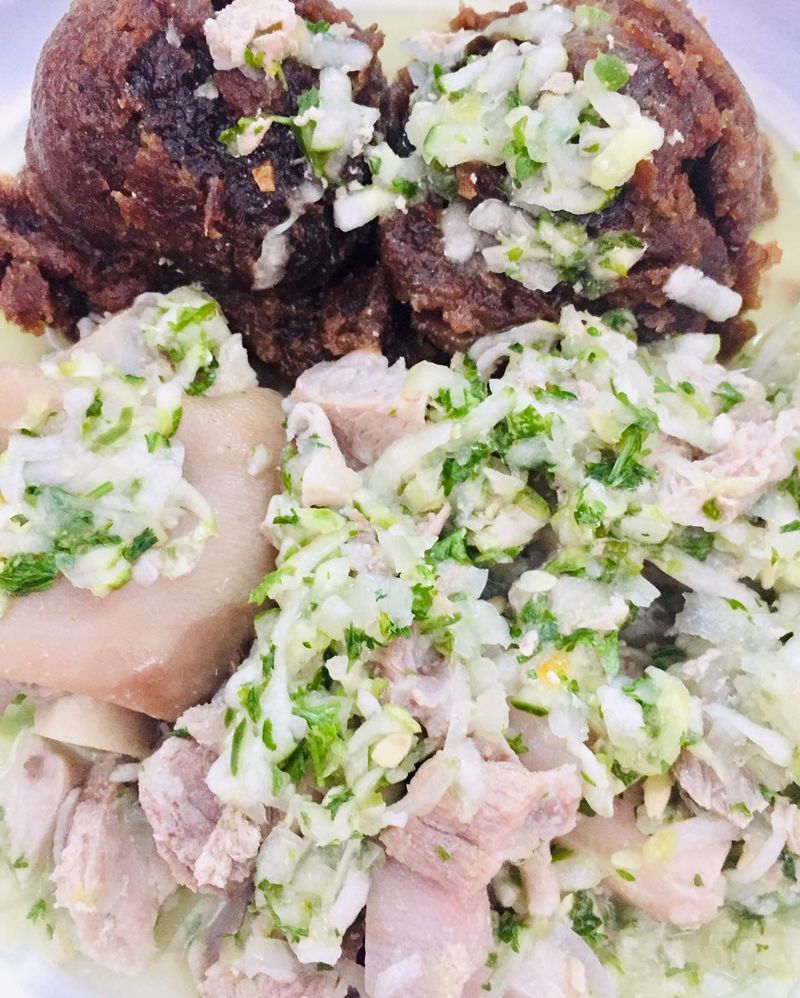
3. Souse: The Alchemy of Discarded Parts
In Barbados and across the wider Caribbean, the dish known as "Souse"—typically featuring pig’s trotters, ears, and tongue—offers a stark lesson in economic disparity. During the era of chattel slavery, colonial masters claimed the prime cuts of meat, leaving the enslaved laborers with the offal.
This history reflects the broader trend of "slave food" that has become a delicacy. Enslaved cooks utilized acidic marinades—lime juice, onions, peppers, and various herbs—not only to flavor the tougher parts of the animal but to act as a preservative in a tropical climate without refrigeration. The transformation of "unwanted" waste into a culinary masterpiece highlights the agency of the enslaved population. The modern popularity of Souse, particularly on Saturdays in Barbados, serves as a testament to the resilience of those who refused to let their sustenance be defined by the limitations imposed upon them.
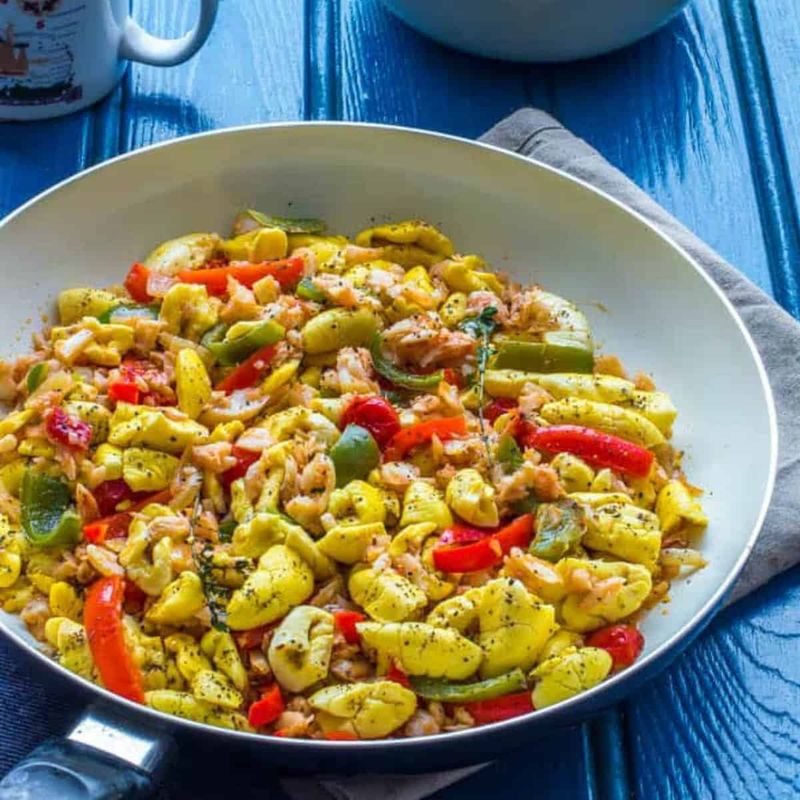
4. Saltfish: The Economic Legacy of Trade Routes
The integration of salted cod (saltfish) into Caribbean diets was not a result of local availability, but rather a byproduct of global trade. During the 18th century, the triangular trade route saw salt-cured cod imported from the North Atlantic (Newfoundland and New England) to feed the enslaved populations in the Caribbean.
The fish was cheap, durable, and required no refrigeration, making it the ideal ration for plantation owners. Over time, the enslaved population adapted this imported staple by combining it with local produce like ackee (a fruit brought from West Africa) and native Caribbean spices. The resulting "Ackee and Saltfish" dish, now the national dish of Jamaica, serves as a culinary timeline of the Atlantic slave trade, illustrating how global supply chains forced by colonial powers inadvertently created a unique, syncretic national identity.
5. Jerk: The Culinary Warfare of the Maroons
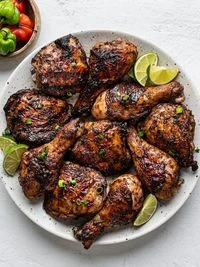
Jerk, characterized by the dry rub and slow-smoking process using pimento wood and Scotch bonnet peppers, is perhaps the most famous Caribbean culinary export. Its origins are deeply tied to the "Maroons"—groups of enslaved Africans who escaped the plantations and established free, autonomous communities in the mountainous interior of Jamaica.
The technique of "jerking" allowed the Maroons to cook meat without creating large, visible smoke clouds that would have alerted colonial militias to their location. This was, in effect, a form of culinary camouflage. By infusing the meat with potent spices, they were able to preserve it for long periods while maintaining high nutritional value. This historical context transforms the dish from a simple barbecue style into a symbol of resistance and the fight for autonomy.
Analytical Perspective: From Trauma to Gastronomy
The evolution of these dishes from tools of survival to pillars of national identity is a subject of significant interest among cultural historians and sociologists. Dr. Aris Thorne, a researcher in Caribbean Studies, notes: "When we analyze these dishes, we are not just looking at ingredients; we are looking at a history of forced migration and the creative resistance of a people who were denied agency in almost every other aspect of their lives."
From an economic standpoint, the "rebranding" of these dishes has also been significant. While they were once symbols of poverty and scarcity, they have become integral to the tourism industries of nations like Jamaica, Barbados, and Haiti. This shift suggests a reclaiming of narrative: the very foods that were once used to sustain a workforce in bondage are now used to celebrate the sovereign cultural identity of independent nations.
The Broader Impact
The ongoing global interest in "authentic" Caribbean cuisine has sparked a movement toward preserving these historical roots. Culinary historians argue that understanding the "dark past" of these dishes is essential for appreciating the nuances of Caribbean identity. As the region continues to position itself on the world stage, the preservation of these recipes—and the stories attached to them—serves as an educational tool, ensuring that the history of the slave trade remains an active part of the cultural discourse.
While the modern iterations of these dishes are enjoyed in high-end restaurants and casual households alike, their historical weight remains. Whether it is the cyanogenic processing of the Bammy or the symbolic victory inherent in every bowl of Soup Joumou, these foods represent a triumph of human spirit. They serve as a permanent reminder that even in the most restrictive environments, culture can be forged, adapted, and eventually, reclaimed as a badge of honor.