The phenomenon of a high-pitched squeal emanating from a motorcycle’s braking system is a common yet frequently misunderstood issue that serves as a primary indicator of mechanical health. While often dismissed as a mere nuisance caused by environmental factors like humidity or dust, brake noise is fundamentally a diagnostic signal that the friction interface between the brake pad and the rotor or drum has been compromised. In the context of vehicle maintenance, the braking system represents the most critical safety feature on any motorcycle; consequently, persistent or irregular acoustic signals from this system warrant immediate professional assessment to ensure operational integrity.
The Anatomy of Brake Noise: Technical Origins
Brake squeal is essentially the result of high-frequency vibration—often referred to as "brake chatter"—caused by the rapid oscillation of the brake pad against the metallic surface of the disc or the inner wall of the drum. Under ideal operating conditions, the friction material of the brake pad and the surface of the rotor engage with a consistent coefficient of friction. When this balance is disrupted by debris, thermal degradation, or mechanical misalignment, the resulting harmonics manifest as the high-pitched auditory feedback familiar to many riders.
Data from automotive safety research indicates that approximately 40% of all motorcycle service appointments related to braking systems involve reports of "abnormal noise" as the primary complaint. Of these, over 60% are identified as being caused by environmental contaminants or the natural expiration of the brake pad material.
Chronology of Deterioration
The onset of brake noise typically follows a predictable progression. In the initial stage, environmental factors such as high humidity or heavy rainfall create a microscopic layer of oxidation or surface moisture on the brake rotor. This is generally transient, as the heat generated during the first few miles of riding typically evaporates the moisture and clears the surface oxide.
However, if the noise persists beyond the "warm-up" phase, the issue moves into the secondary stage: mechanical contamination. Dust from the road surface, sand, or grit trapped within the caliper assembly can become embedded in the softer compound of the brake pad. As the wheel rotates, these particles act as abrasives, causing irregular wear patterns on the disc. If left unaddressed, the vehicle enters the tertiary stage of failure, characterized by the total depletion of the friction material. At this point, the metal backing plate of the brake pad makes direct contact with the rotor, leading to irreversible scoring of the disc and a significant reduction in total stopping power.
Primary Drivers of Braking Instability
Engineers and automotive maintenance experts categorize the causes of brake squeal into seven distinct domains, each requiring a specific diagnostic approach.
1. Particulate Contamination and Environmental Impact
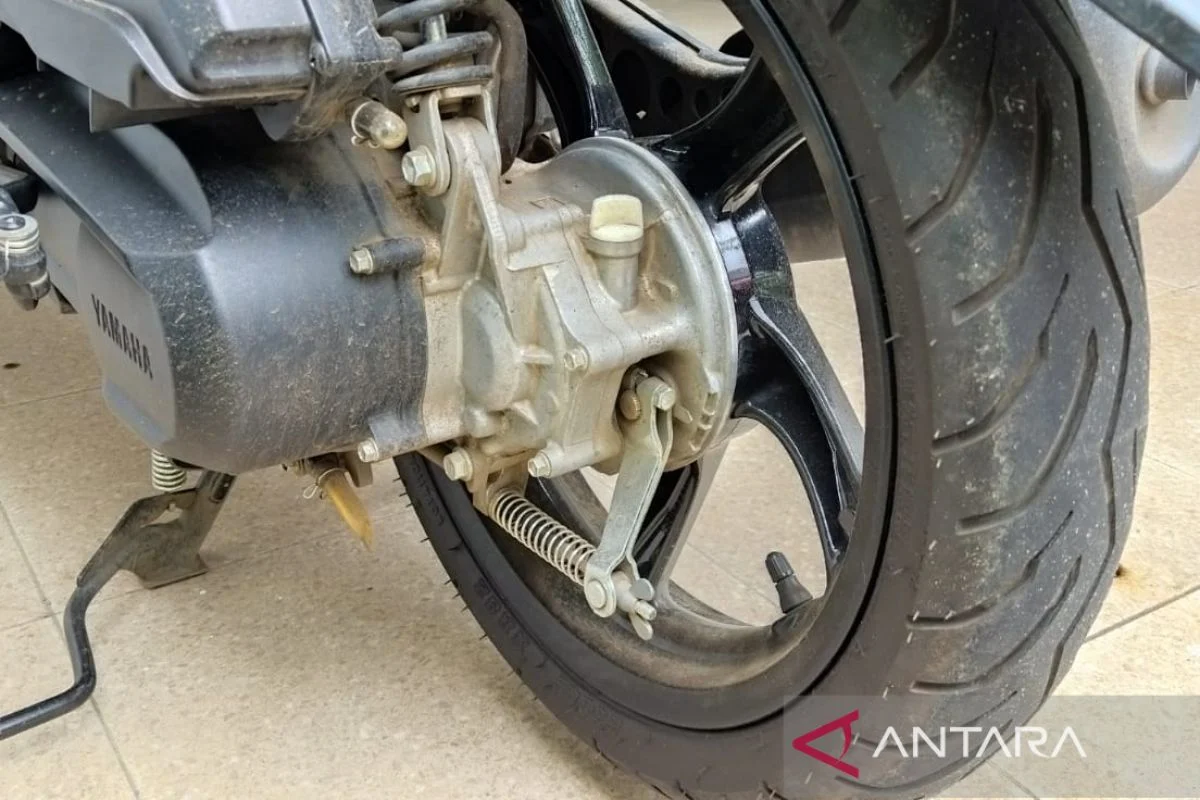
Motorcycles are inherently exposed to the elements. During transit through unpaved roads or urban environments, fine particulates collect in the caliper housing. In drum brakes, which are closed systems, this dust accumulates over time, creating a "glazing" effect on the brake shoes that produces a distinct, grinding squeal.
2. Thermal and Structural Wear
Brake pads are "consumable" components. As the friction material wears down, the manufacturer-specified "wear indicator"—often a small metal tab—may begin to brush against the rotor to alert the rider. Ignoring this audible warning is a significant safety risk, as it precedes total pad failure.
3. Surface Geometry and Rotor Integrity
The brake rotor must remain perfectly planar. Thermal cycling (repeated heating and cooling) can cause minor warping or uneven surface wear. When a non-uniform rotor surface meets a flat brake pad, the resulting intermittent pressure leads to vibration and noise.
4. The ‘Bedding-in’ Period
When a rider replaces old pads with new ones, a process known as "bedding-in" is mandatory. The new pads must conform to the microscopic contours of the rotor. If this process is rushed or if the surfaces are not cleaned prior to installation, the pads may develop a "glazed" surface, resulting in a permanent squeal that is difficult to rectify without re-sanding or replacement.
5. Mechanical Bindings and Caliper Seizure
The caliper is a dynamic component that must slide or pivot freely. If the piston seals are compromised or the guide pins are corroded due to lack of lubrication, the brake pad may remain in constant, light contact with the rotor even when the lever is released. This generates heat, noise, and unnecessary drag, which significantly impacts fuel efficiency and handling.
6. Chemical Contamination
The presence of hydrocarbons—specifically oil, grease, or brake fluid—on the rotor is a critical safety failure. These substances act as lubricants where friction is required. Even a small amount of oil contamination can cause the brake pads to lose their gripping capability, leading to the infamous "spongy" brake feel and loud, inconsistent squealing.
7. Improper Component Integration
In some instances, the issue is not wear, but improper installation. The use of incompatible aftermarket pads, missing anti-rattle clips, or the incorrect application of brake grease on the back of the pads can lead to noise. It is imperative that maintenance is performed using OEM (Original Equipment Manufacturer) specifications.
The Professional Maintenance Perspective
Industry experts suggest that riders should not attempt to "self-diagnose" severe braking issues if they lack the appropriate specialized tools. A typical professional inspection involves:
- Measuring Rotor Runout: Using a dial indicator to ensure the rotor is within the factory-specified tolerance.
- Checking Brake Fluid Hydration: Using a moisture tester to ensure the fluid hasn’t degraded, which is essential for consistent hydraulic pressure.
- Inspecting Caliper Piston Retraction: Ensuring the hydraulic system is not holding residual pressure after the lever is released.
According to a spokesperson from a major motorcycle maintenance consortium, "The most dangerous misconception is that noise is simply a side effect of riding. In reality, sound is the braking system’s way of communicating that the physical contact is no longer uniform. If the sound changes in pitch, or if the lever feedback feels ‘pulsing,’ the vehicle should be removed from service until a certified technician has inspected the hydraulic lines and friction surfaces."
Safety Implications and Long-Term Reliability
The broader implications of neglecting brake noise extend beyond simple annoyance. A study on motorcycle accidents in urban settings found that vehicles with poorly maintained braking systems required, on average, 15% more distance to come to a complete stop from a speed of 40 km/h. Furthermore, the heat generated by a dragging brake—often masked by the sound of the engine—can cause the brake fluid to boil. When fluid boils, it turns into gas, which is compressible. This leads to total brake failure, where the rider pulls the lever and finds no resistance, a scenario that is almost always catastrophic.
Best Practices for Riders
To maintain optimal braking performance, owners should adhere to a strict maintenance regimen:
- Post-Rain Inspection: After riding in heavy rain or cleaning the bike, perform a "dry-out" cycle by applying the brakes gently at low speeds to clear surface moisture.
- Regular Cleaning: Utilize dedicated, non-residue brake cleaners. Avoid using household degreasers or lubricants near the rotor, as these can permanently degrade the pad compound.
- Strict Adherence to Service Intervals: Follow the manufacturer’s suggested mileage for checking pad thickness. Many modern motorcycles have a minimum pad thickness of 1.5mm to 2mm; once this threshold is crossed, the risk of rotor damage increases exponentially.
- Listen for Auditory Changes: A sudden shift from a high-pitched squeal to a deep, metallic grinding is an emergency indicator that the brake pad has been completely consumed.
In conclusion, while the motorcycle industry continues to innovate with technologies like Anti-lock Braking Systems (ABS), the fundamental principles of friction and mechanical wear remain unchanged. Brake squeal serves as a vital diagnostic alert. By treating these sounds as professional cues for maintenance rather than unavoidable environmental byproducts, riders can ensure the longevity of their vehicle and, more importantly, their personal safety on the road. Consistent, informed, and proactive maintenance remains the single most effective strategy in preventing systemic brake failure.