Socio Today
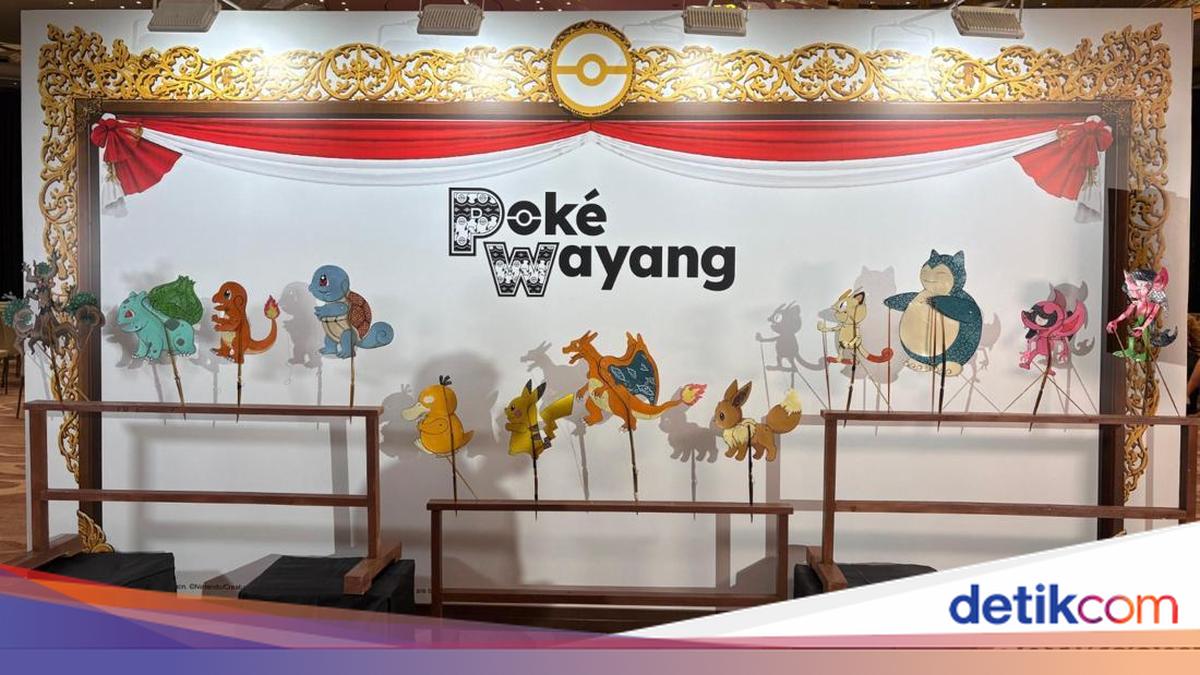
In a landmark initiative that bridges the gap between global digital pop culture and traditional heritage, The Pokemon Company has officially announced a strategic collaboration with the Indonesian art of Wayang. This partnership, unveiled during the "Future Plans for Indonesia 2026-2027" conference held at the St. Regis in Jakarta on September 14, 2026, seeks to utilize the international appeal of the Pokemon franchise to reinvigorate interest in Wayang among Indonesia’s younger generations.
A Confluence of Heritage and Modern Media
The collaboration represents a significant intersection of intangible cultural heritage and modern intellectual property. Wayang, recognized by UNESCO as a Masterpiece of Oral and Intangible Heritage of Humanity, has long served as a cornerstone of Indonesian identity. By integrating iconic characters like Pikachu and others into the traditional framework of Wayang puppet theater, The Pokemon Company aims to present ancient storytelling traditions in a format that resonates with digital-native children.
Susumu Fukunaga, Corporate Officer at The Pokemon Company, emphasized that this project is the result of extensive discussions with multiple Indonesian government ministries. The objective is twofold: to introduce the global universe of Pokemon to Indonesian children through a localized lens, and to ensure that the timeless lessons inherent in Wayang remain relevant in an increasingly globalized cultural landscape.
"We have initiated this collaboration with Wayang, a world-recognized intangible cultural heritage, as it represents the pride of Indonesian culture," Fukunaga stated. The initiative is not merely a marketing exercise but a deliberate effort to create a sustainable pedagogical tool for the younger generation.
Chronology of the Initiative
The rollout of this project follows a calculated timeline designed to maximize exposure. The official unveiling at the St. Regis conference serves as the primary catalyst for a series of events scheduled throughout late 2026 and into 2027.
The first major public performance of the "Poke-Wayang" project is slated for the World Conference on Creative Economy (WCCE), scheduled for October 22–23, 2026. This high-profile global event will serve as the launchpad for the project, allowing international delegates and the Indonesian public to witness the synthesis of traditional Javanese puppetry and modern Japanese animation for the first time. Following the WCCE, the government and The Pokemon Company plan to roll out regional workshops and performances in various provinces, aiming to reach schools and community centers across the archipelago.
Government Endorsement and Constitutional Alignment
The Indonesian government has thrown its full weight behind the project, viewing it as a modern application of national cultural policy. Minister of Culture Fadli Zon highlighted that the partnership is consistent with Article 32, Section 1 of the 1945 Constitution, which mandates the state to promote national culture within the global civilization by protecting and developing its cultural values.
"Wayang is a medium that is easily accepted by the Indonesian public," Minister Fadli explained. "It is not just a form of entertainment; it is a source of guidance, carrying moral, humanitarian, and ethical messages. By combining it with a globally recognized IP like Pokemon, we are ensuring that these values reach a wider audience, both domestically and internationally."
The Ministry of Culture has further indicated that this collaboration is part of a broader strategy to digitize and revitalize Indonesian traditional arts. This includes future efforts to promote batik and other textile arts through similar cross-sector partnerships, effectively leveraging the marketing power of global franchises to support local artisans.
Economic and Cultural Implications
The economic ramifications of this partnership were a key topic during the press conference. Irene Umar, the Deputy Minister of Creative Economy, expressed optimism regarding the impact on local creative practitioners. Beyond the cultural preservation aspect, the project is designed to create new revenue streams for traditional puppeteers (dalang) and musicians (niyaga).
"We want our puppeteers to not only preserve the culture but also to benefit economically from these advancements," said Deputy Minister Umar. The inclusion of original music compositions—blending traditional Gamelan orchestras with Pokemon-inspired soundtracks—is expected to stimulate the local creative economy. The goal is to build a sustainable ecosystem where traditional arts are not merely preserved in museums but are active, profitable, and evolving components of the national economy.
Analysis: Bridging the Generational Divide
The "Poke-Wayang" initiative arrives at a critical juncture for Indonesia’s cultural sector. Recent data from the Central Statistics Agency (BPS) and various cultural research institutes suggest a decline in the active consumption of traditional arts among the "Gen Z" and "Alpha" demographics. By 2026, the digital saturation of these cohorts has made it increasingly difficult for traditional performances to compete with short-form video content and gaming.
By adopting a "glocal" approach—a blend of global branding and local substance—The Pokemon Company is effectively "re-packaging" traditional content. This strategy mirrors successful international models where heritage stories have been adapted into modern media formats to ensure their longevity.
However, the success of this project will likely depend on the authenticity of the integration. Historians and cultural observers note that for the project to be more than a superficial novelty, it must maintain the integrity of Wayang’s traditional narratives. The challenge will be to ensure that the Pokemon characters serve the story rather than overshadowing it, maintaining the "tuntunan" (guidance) aspect that Minister Fadli emphasized.
Broader Impact on Creative Economy
This collaboration also signifies a shifting attitude within the Indonesian government toward the "Creative Economy." By treating intellectual property (IP) as a vehicle for cultural diplomacy, the state is signaling a move away from protectionist cultural policies toward more collaborative, market-driven approaches.
If the pilot program at the World Conference on Creative Economy proves successful, it could set a precedent for future collaborations between global tech/media firms and local cultural institutions. This could eventually lead to a "Cultural IP Hub" in Indonesia, where international companies are encouraged to engage with local heritage as part of their corporate social responsibility (CSR) and market entry strategies.
Looking Toward 2027
As the project moves into 2027, the focus will likely shift toward scalability. The Ministry of Culture has hinted at plans to integrate these performances into national curricula, potentially using the Pokemon-themed Wayang as a gateway to teaching traditional philosophy and ethics in primary schools.
Furthermore, The Pokemon Company’s commitment to this project is viewed as a long-term investment. By embedding themselves into the fabric of Indonesian cultural life, the company is securing a loyal fanbase while simultaneously performing a public service by keeping traditional arts alive.
In conclusion, the collaboration between The Pokemon Company and the custodians of Wayang stands as a bold experiment in modern cultural preservation. Whether it will succeed in fostering a new generation of Wayang enthusiasts remains to be seen, but the initial response from policymakers and industry stakeholders suggests that the project is a significant step forward in the ongoing evolution of Indonesia’s creative sector. Through this alliance, the country is demonstrating that it is possible to embrace the future of global entertainment without sacrificing the depth and wisdom of its ancestral past.