Socio Today
The enduring allure of horror cinema is experiencing a notable resurgence, particularly among the demographic known as Generation Z. Films such as "Obsession" and "Backrooms," while distinct in their narratives, have collectively captivated younger audiences, leading to a significant increase in their consumption of the genre. This trend is underscored by robust data: a report from market research firm Statista revealed that a remarkable 91% of Gen Z consumers admit to watching horror films or series, positioning them as the age group with the highest engagement with horror content. Cathy Boxall, Head of Global Entertainment at advertising agency Dentsu, highlights this as the apex of horror consumption compared to other generations, noting that horror has ascended to become Gen Z’s third favorite genre, trailing only comedy and action films.
This profound affinity for the macabre among young adults is not merely a fleeting trend; it is deeply rooted in their lived experiences. For many in Gen Z, the realities of contemporary life often mirror the unsettling and often terrifying narratives found in horror. This generation, born roughly between 1997 and 2012, has come of age amidst a backdrop of persistent uncertainty and global upheaval. Their formative years were shaped by significant events such as the 2008 global financial crisis, the increasing precarity of the job market due to the rise of artificial intelligence, and a heightened awareness of climate disasters. Beyond these large-scale anxieties, they have also grappled with school shooting drills, a stark and disturbing reality for many, and the pervasive impact of the COVID-19 pandemic.
The Evolution of Horror: Reflecting Generational Anxieties
The evolving landscape of horror cinema is directly mirroring these generational shifts. As noted by Lauren Cook, a therapist and author of "Generation Anxiety: A Millennial and Gen Z Guide for Staying Afloat in Uncertain Times," the genre has moved beyond gratuitous gore and violence to delve into darker, more grounded thematic territory. "The horror genre has transformed alongside Gen Z," Cook explains. "Now, horror explores real-world dark issues rather than just bloody scenes or violence." This adaptation makes films like "Obsession" and "Backrooms" resonate more deeply, offering a sense of catharsis or understanding through shared anxieties.
"Obsession" and "Backrooms": Narratives of Modern Dread
"Obsession," a film by 26-year-old YouTuber Curry Baker, exemplifies this trend by intertwining supernatural elements with contemporary societal issues. The film follows a man’s desperate use of a mystical branch to win the affection of the woman he loves. However, beneath this fantastical premise lies a commentary on the "red pill" movement, a subculture that often espouses beliefs of male disadvantage in contemporary society, rejects feminism, and advocates for a return to traditional values. This exploration of complex, often controversial, social dynamics makes the film more than just a horror spectacle; it becomes a talking point for the very issues that preoccupy a segment of the younger generation.
Similarly, "Backrooms," directed by Gen Z filmmaker Kane Parsons, offers a psychological horror experience that extends beyond conventional scares. Adapted from Parsons’ popular YouTube series, the film delves into the psyche of a furniture store owner who succumbs to his inner darkness. It tackles themes of alienation, trauma, and the crushing weight of limited life choices – experiences that are acutely familiar to many in Gen Z. The film’s success, as detailed later, highlights the power of creators from within the generation to tap into these specific anxieties.
Honesty in Darkness: Gen Z’s Embrace of Unvarnished Reality
The appeal of horror for Gen Z lies, in part, in its unvarnished honesty. Unlike genres that might attempt to sugarcoat or offer simplistic resolutions, horror confronts uncomfortable truths head-on. Cook observes that "Gen Z can handle the dark side of life better than previous generations, who tended to want to cover everything up with a smile. I think that’s their strength." This capacity to engage with difficult realities, rather than avoid them, positions horror as a valuable medium for processing the complexities of their world.
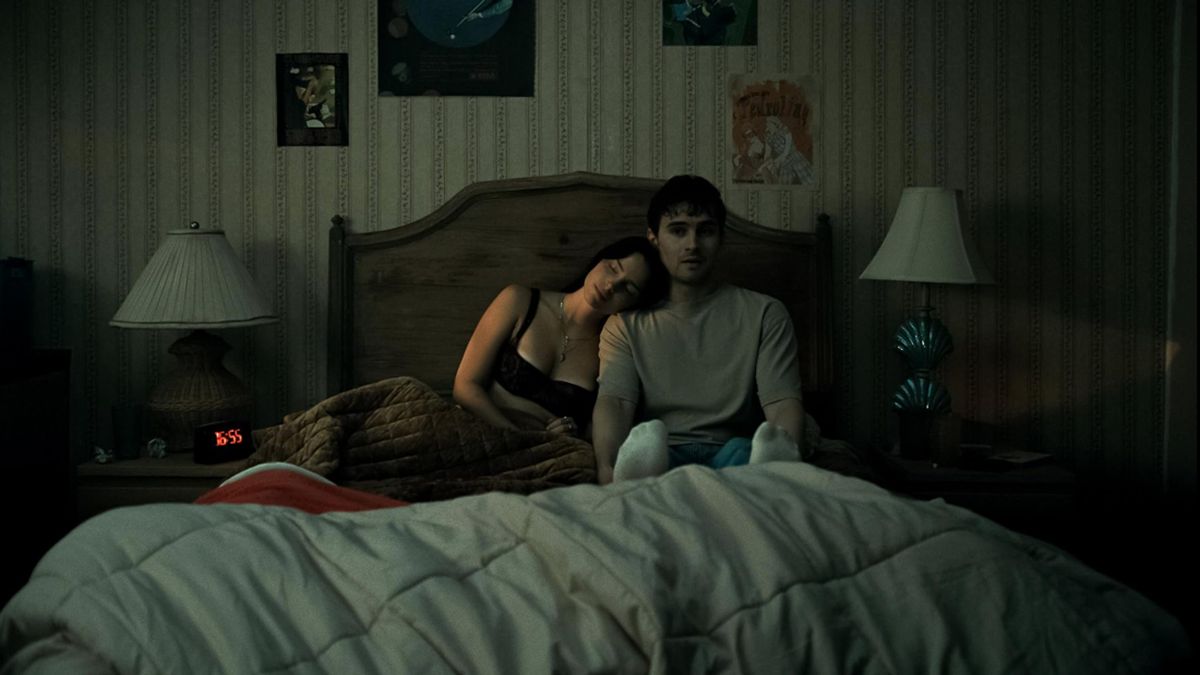
Kaitlyn Ruano, a 23-year-old high school teacher and film reviewer for The Drama Drive-In, further elaborates on this connection. She believes Hollywood has succeeded in creating horror films that genuinely resonate with Gen Z’s lived experiences, particularly given the generation’s keen interest in social issues. "For this reason, horror becomes a very suitable medium for depicting these problems."
A Generational Mirror: The Evolution of Horror Subgenres
Ruano’s observation extends to a broader historical context of horror. She notes that each generation has gravitated towards specific horror subgenres that reflect the zeitgeist of their era. The 1970s, for instance, were dominated by slasher films, often interpreted as a reflection of societal anxieties about the breakdown of traditional order and the rise of individualistic violence. The 1980s and 1990s saw a surge in films tapping into fears surrounding satanic panics and occult practices, exemplified by films like "The Craft." As the millennium turned, horror often morphed into more action-oriented fare, including a proliferation of zombie films. Ruano suggests that this "action horror" reflected the "war on terror era and the very militaristic atmosphere of American society."
Box Office Dominance: The Commercial Success of Gen Z-Centric Horror
The commercial success of "Obsession" and "Backrooms" underscores the significant financial viability of this trend. A24, the studio behind "Backrooms," reported that Kane Parsons became the youngest director in Hollywood history to achieve a number-one box office opening weekend. The film grossed approximately $80 million in North America and $120 million globally in its opening week alone. "Obsession," produced by Focus Features and Blumhouse Productions, secured the second position in the same weekend. Since its release on May 15, the film has garnered nearly $150 million worldwide against a production budget of a mere $750,000, a testament to its profitability.
This financial triumph aligns perfectly with the characteristics of Gen Z audiences. They are drawn to content that sparks curiosity, generates buzz online, and encourages social media discussion. Ruano posits that "because they live in an era heavily influenced by media and digital interaction, I think Gen Z tends to be more analytical than other generations." This analytical nature means they are inclined to dissect every detail of a piece of content, a behavior honed by years of consuming analytical articles and video essays on platforms like YouTube.
Redefining Escapism in a Complex World
Ruano further contends that her generation has had to mature in a world marked by political polarization, the pervasive acknowledgment of life’s darker aspects, and the necessity of forging new definitions of escapism. The lighthearted romantic comedies of the 1990s and early 2000s, such as "How to Lose a Guy in 10 Days," which once offered a sense of effortless enjoyment, now often feel disconnected from current realities. "When watching films or series from the 1990s and early 2000s, characters graduate college and immediately get their dream job or internship. It’s actually frustrating because we wonder, was life really that easy back then? Then look at our current situation," Ruano reflects.
This sentiment suggests that for Gen Z, true escapism in entertainment might not lie in the denial of reality, but rather in the shared exploration and processing of it, even through the lens of fear. Horror films, with their willingness to confront the unsettling and the unknown, offer a form of catharsis that is more authentic and resonant with their lived experiences. They provide a space to grapple with anxieties that are often dismissed or overlooked in other forms of media, allowing for a deeper engagement with the complexities of their world. The success of these films is not just a financial win for studios; it is a cultural indicator of a generation finding power and understanding in the shadows.