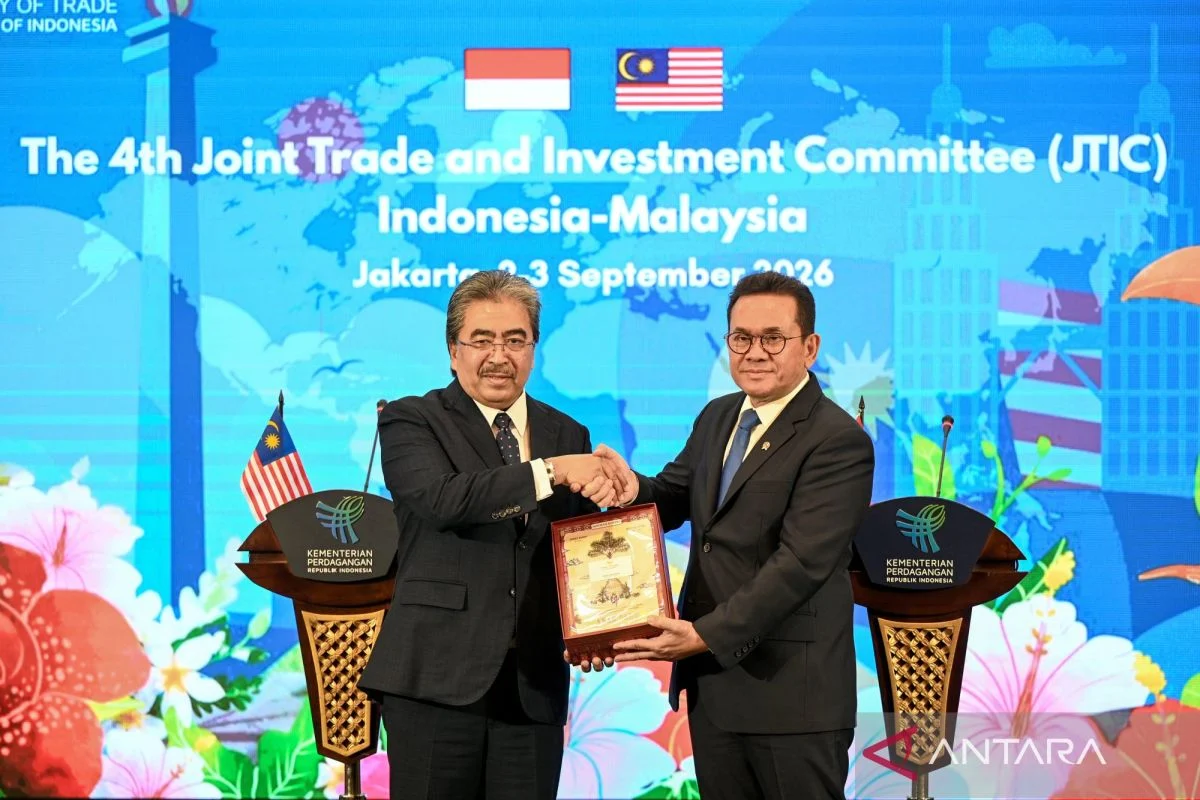
The architecture of modern international relations is anchored in a complex web of bilateral cooperation, representing the foundational mechanism through which sovereign nations pursue mutual interests, address shared challenges, and fortify national agendas. Defined as a direct partnership between two sovereign states, bilateralism transcends mere diplomatic etiquette; it functions as a strategic instrument encompassing sectors as diverse as macroeconomic policy, geopolitical alignment, educational exchange, technological transfer, and national security. For Indonesia, the world’s fourth-most populous nation and a pivotal player in the Indo-Pacific, bilateral diplomacy serves as a primary vehicle for navigating the intricate landscape of 21st-century global governance, enabling the state to leverage its position for sustainable growth and regional stability.
The Conceptual Framework of Bilateralism
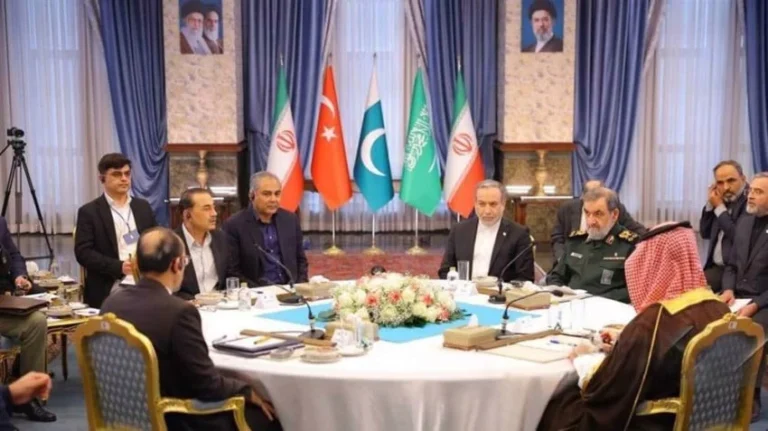
At its core, a bilateral agreement is a formal or informal covenant between two parties seeking to reconcile their respective national interests. Unlike multilateral frameworks—which involve complex negotiations among multiple states or regional blocs—bilateral arrangements offer a high degree of agility and precision. These agreements are typically codified through instruments such as Memoranda of Understanding (MoU), Strategic Partnerships, or structured inter-governmental dialogues.
In the Indonesian context, as reported by the Ministry of Foreign Affairs, the nation maintains active bilateral relationships with 162 sovereign states and one special territory as of August 2025. This vast network is not uniform; it is stratified based on geographical proximity, economic dependency, and shared political objectives. The efficacy of these relationships lies in their specificity. By isolating a partnership to two actors, states can tailor agreements to unique industry requirements, such as a localized tax treaty, a specific labor migration pact, or a bespoke technological collaboration that would be difficult to synchronize within a larger multilateral forum.
Chronology and Historical Evolution of Indonesia’s Global Outreach
Indonesia’s approach to bilateralism has evolved significantly since the early years of the post-independence era. Initially, the country’s foreign policy, articulated by Mohammad Hatta as "bebas aktif" (independent and active), focused on avoiding entanglement in Cold War power blocs. Over the decades, this transitioned into a more proactive economic diplomacy model.
- 1950s–1970s: The focus was primarily on sovereignty recognition and securing basic bilateral trade agreements with neighboring Southeast Asian nations and Western allies to facilitate post-war reconstruction.
- 1980s–1990s: A shift toward "Development Diplomacy" emerged. Indonesia leveraged bilateral ties to attract Foreign Direct Investment (FDI) from Japan and Western Europe, fueling its industrialization phase.
- 2000s–2010s: The era of "Strategic Partnerships" began. Indonesia upgraded its relationships with major powers like China, India, and the United States, moving beyond simple trade to include comprehensive frameworks covering defense and security.
- 2020s–Present: The contemporary focus is on high-tech integration, energy transition, and human capital development. Current bilateral agendas now frequently emphasize digital economy cooperation and climate change mitigation, reflecting the urgent global needs of the current decade.
Key Objectives of Modern Bilateral Engagement
The pursuit of bilateral ties is rarely singular in purpose. Governments engage in these partnerships to achieve a multifaceted set of national goals:
1. Diplomatic Resilience and Crisis Management
By fostering strong bilateral ties, countries create "diplomatic shock absorbers." When international crises—such as pandemics, financial collapses, or regional conflicts—arise, pre-existing channels of communication ensure that governments can coordinate responses rapidly. This is particularly evident in how Indonesia maintains high-level "Annual Leaders’ Dialogues" with partners like Papua New Guinea, allowing for the swift resolution of border disputes and security concerns.
2. Economic Acceleration and Market Access
Economic bilateralism remains the most visible form of statecraft. Through trade agreements, countries can lower tariffs, standardize regulations, and provide legal protection for investors. For instance, the ongoing economic cooperation between Indonesia and the Netherlands serves as a benchmark for how established industrial powers can facilitate technology transfers to emerging economies, focusing on sustainable innovation and high-tech manufacturing.
3. Human Capital and Socio-Cultural Exchange
Soft power is an essential byproduct of bilateralism. Scholarship programs, academic research collaborations, and cultural exchange initiatives create long-term goodwill. By investing in the human capital of a partner nation, a country secures long-term influence and a deeper understanding of its partner’s socio-political landscape.
4. Technological and Security Interdependence
In an era of rapid technological disruption, bilateral agreements are the primary conduits for research and development (R&D) cooperation. Furthermore, in the realm of security, bilateralism allows for targeted intelligence sharing and joint training exercises, which are essential for combating transnational crimes such as cyber-terrorism, human trafficking, and illegal, unreported, and unregulated (IUU) fishing.
Comparative Analysis: Bilateral vs. Multilateral Diplomacy
To understand the nuance of Indonesia’s foreign policy, one must distinguish between the two primary pillars of international cooperation. While bilateralism focuses on the "depth" of a relationship—allowing for specific, legally binding, and intimate arrangements between two states—multilateralism focuses on "breadth."
Multilateral forums, such as the Association of Southeast Asian Nations (ASEAN) or the G20, provide a platform for consensus-building and setting global norms. However, these forums are often hindered by the "lowest common denominator" effect, where agreements must be acceptable to a wide array of diverse interests. Conversely, bilateralism serves as the "workhorse" of international relations. It is where the actual implementation of policy occurs. Often, a country will utilize a multilateral forum to reach a general agreement on a principle (e.g., carbon neutrality) and then utilize bilateral agreements to negotiate the specific financing and technology transfer mechanisms required to reach that goal.
Data-Driven Insights and Current Trends
The landscape of international cooperation is increasingly shifting toward "minilateralism," a subset of bilateralism where two or three countries form specialized groups to address specific issues. This trend is visible in the way Indonesia manages its relationships within the BRICS framework or its engagement with ASEAN partners.
Recent data suggests that Indonesia is prioritizing "Value-Added" bilateralism. Rather than exporting raw commodities, current bilateral negotiations with partners like the European Union or various G7 members focus on ensuring that processing facilities and value-added industries are established domestically. This pivot is indicative of a broader strategy to move Indonesia up the global value chain, using bilateral negotiations as the primary mechanism for setting the terms of such investments.
Official Perspectives and Strategic Implications
The Indonesian Ministry of Foreign Affairs emphasizes that bilateralism is not a substitute for regional integration but a complementary necessity. The Ministry’s reports consistently highlight that successful bilateral relations are predicated on mutual respect and the recognition of sovereignty.
Experts in international relations suggest that the implications of this approach are profound. By maintaining a vast and balanced portfolio of bilateral partners, Indonesia effectively mitigates the risk of over-reliance on any single global power. This strategy, often referred to as "hedging," allows the nation to retain strategic autonomy while simultaneously reaping the economic and security benefits of its partnerships.
Furthermore, the recent expansion of bilateral agendas to include food security—as seen in the ongoing discussions between the Indonesian Ministry of Defense and Sudan—illustrates that bilateralism is becoming increasingly existential. As global supply chains face systemic risks, states are turning to bilateral agreements to secure essential resources and logistical stability, effectively decentralizing their dependency away from volatile global markets.
Future Outlook
As the world moves toward 2030, the nature of bilateral cooperation is expected to become even more specialized. Future agreements will likely focus on "Green Diplomacy," including the joint development of critical mineral supply chains, carbon credit accounting, and green hydrogen technology.
For Indonesia, the path forward involves a rigorous, data-informed selection of partners who align with its national development goals, particularly the Vision 2045 roadmap. The strength of the nation’s foreign policy will be measured not by the sheer number of agreements signed, but by the tangible impact these bilateral ties have on the prosperity of its citizens and the stability of its borders.
In conclusion, bilateral cooperation remains the backbone of international affairs. It provides the flexibility and depth required to navigate an increasingly fragmented world. Through a combination of historical precedent, strategic negotiation, and a clear vision for national growth, Indonesia continues to utilize the bilateral framework as a cornerstone of its sovereignty and its ongoing journey toward becoming a significant global economic power. By balancing the intimate nature of bilateral deals with the collective benefits of multilateral engagement, the state ensures that its voice remains influential in the shaping of the international order.