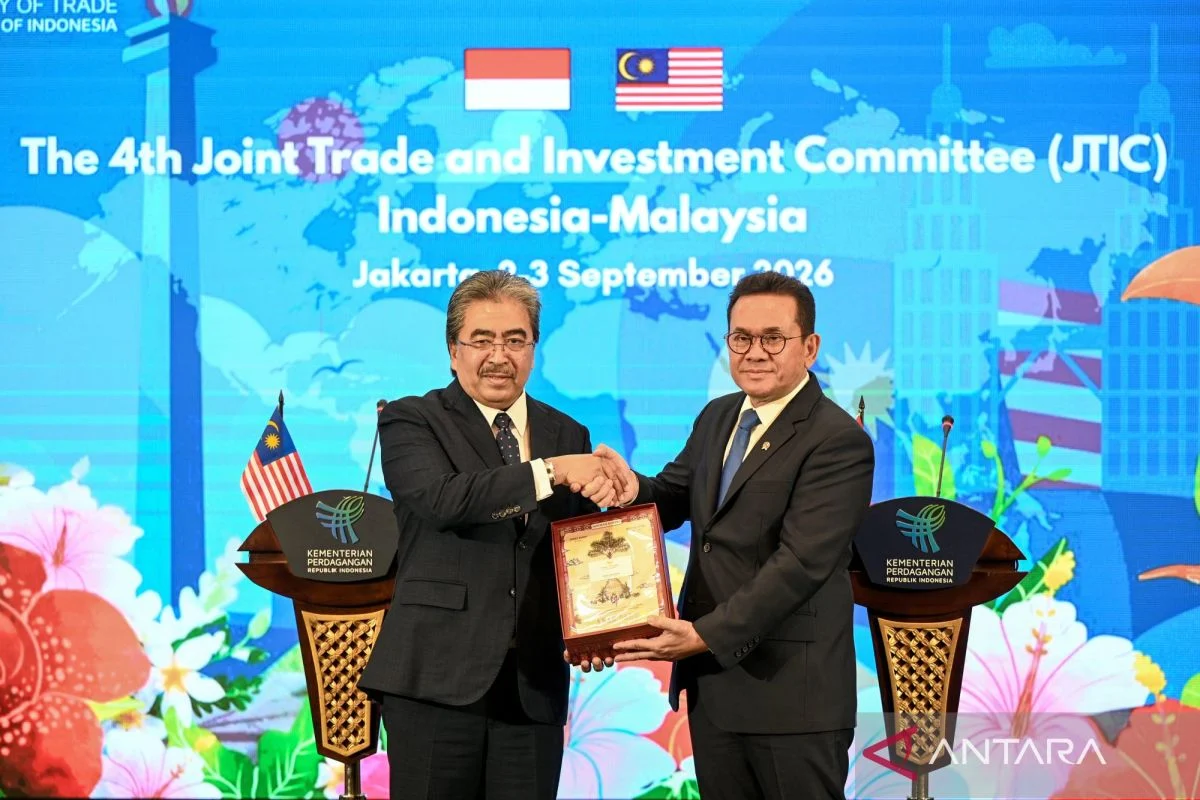
Bilateral cooperation serves as the fundamental bedrock of international relations, acting as a structured mechanism through which two sovereign nations pursue shared interests, address common challenges, and foster mutual prosperity. In an increasingly interconnected global landscape, the ability of a state to cultivate and maintain robust bilateral relationships is a primary indicator of its diplomatic maturity and strategic reach. For Indonesia, a nation that has historically upheld a "free and active" foreign policy, bilateralism is not merely a tool for trade, but a multidimensional instrument covering the critical spheres of politics, economics, education, defense, and technological advancement.
As of August 2025, Indonesia maintains formal bilateral ties with 162 sovereign nations and one special territory, underscoring the nation’s proactive approach to global engagement. These relationships, while varied in depth and scope, are governed by shared agreements ranging from formal treaties and strategic partnerships to routine ministerial dialogues.
The Architecture of Bilateral Diplomacy
At its core, bilateralism is defined by the direct, two-party nature of engagement. Unlike multilateralism—which involves complex negotiations within large international organizations like the United Nations, the G20, or ASEAN—bilateral cooperation allows for a more granular and customized approach to policy. It provides a unique space for two nations to negotiate terms that specifically address their domestic priorities without the constraints of a broader consensus.
The Ministry of Foreign Affairs of the Republic of Indonesia (Kemlu) emphasizes that these relationships are essential for safeguarding national interests. Whether through a Memorandum of Understanding (MoU) regarding agricultural technology or a high-level strategic partnership on maritime security, the objective remains the same: to create a framework that yields tangible benefits for both signatories.
Strategic Objectives and Global Implications
The pursuit of bilateral cooperation is driven by a hierarchy of strategic objectives. Each partnership is designed to move beyond mere diplomatic courtesy to provide concrete, measurable value to the Indonesian state and its citizens.
1. Strengthening Diplomatic Foundations
The primary goal of any bilateral endeavor is the establishment of a reliable line of communication. By formalizing ties, nations create institutional pathways that facilitate crisis management and conflict resolution. A strong diplomatic base ensures that when geopolitical shifts occur, established channels are available to mitigate potential friction.
2. Economic Growth and Market Expansion
In the post-pandemic era, economic diplomacy has taken center stage. Bilateral trade agreements, such as the Comprehensive Economic Partnership Agreements (CEPA), are vital for eliminating trade barriers, reducing tariffs, and opening market access. These agreements encourage foreign direct investment (FDI), allowing Indonesia to integrate more effectively into global supply chains.
3. Human Capital and Educational Exchange
Investment in human capital is perhaps the most sustainable form of bilateral cooperation. Through scholarships, joint research programs, and vocational training exchanges, Indonesia builds a workforce capable of competing in a globalized economy. This human-to-human connection fosters long-term cultural affinity, which often outlasts short-term political cycles.
4. Technology Transfer and Innovation
As Indonesia moves toward its "Golden Indonesia 2045" vision, the need for advanced technology is paramount. Bilateral partnerships with technologically advanced nations allow for the transfer of expertise in sectors like renewable energy, digital infrastructure, and biotechnology. This is not merely about importing technology but about collaborative innovation that adapts solutions to the Indonesian context.
5. Security and Stability
Regional and international security remains a cornerstone of Indonesia’s engagement. Bilateral defense cooperation—encompassing joint exercises, counter-terrorism intelligence sharing, and maritime border management—is essential for maintaining stability in the Indo-Pacific region. These partnerships help address trans-border crimes, such as human trafficking and cybercrime, which cannot be solved by a single nation in isolation.
Case Studies in Modern Engagement
The diversity of Indonesia’s bilateral portfolio is best illustrated by its varied approaches to different regional partners.
The Indonesia-Netherlands Partnership
The relationship with the Netherlands serves as a model for historical cooperation evolving into modern strategic synergy. Beyond traditional trade, the current focus lies in sustainable infrastructure, climate resilience, and water management. By leveraging Dutch expertise in coastal defense and hydraulic engineering, Indonesia addresses its urgent need for climate change mitigation while simultaneously fostering academic exchanges that groom the next generation of engineers and policymakers.
The Indonesia-Papua New Guinea Dialogue
The relationship with Papua New Guinea represents a model of regional stability and localized cooperation. The Annual Leaders’ Dialogue, institutionalized in 2022, serves as the apex of this relationship. It is complemented by the Joint Ministerial Commission and the Senior Officials’ Meeting. These mechanisms ensure that border issues, agricultural cooperation, and infrastructure development are addressed through constant, high-level interaction, preventing localized disputes from escalating into national-level crises.
Distinguishing Bilateralism from Multilateralism
To understand the complexity of modern diplomacy, one must distinguish between bilateral and multilateral frameworks. While the two are often confused, they serve different strategic purposes.
Bilateralism is characterized by its exclusivity and agility. When Indonesia negotiates a trade deal with Japan, the terms are tailored to the specific comparative advantages of both nations. This flexibility is often lost in multilateral forums where the lowest common denominator often prevails to achieve consensus among dozens of states.
However, multilateralism provides a safety net. The Association of Southeast Asian Nations (ASEAN), for example, provides a forum where Indonesia can advocate for regional stability that benefits all member states. The two modes of diplomacy are not mutually exclusive; rather, they are complementary. Indonesia often uses its bilateral strength to lead discussions within multilateral organizations, such as ASEAN’s engagement with dialogue partners like the United States, China, and India.
Data-Driven Diplomatic Outlook
As of the latter half of 2025, the landscape of Indonesian foreign policy is marked by a focus on "pragmatic bilateralism." Data from the Ministry of Foreign Affairs indicates a shift in priority toward partnerships that offer high-tech transfer and energy security.
- Trade Focus: There has been a marked increase in bilateral cooperation regarding critical minerals and battery technology, essential for the global shift toward electric vehicles.
- Security Focus: Defense cooperation agreements have expanded significantly, particularly with partners in the Indo-Pacific, reflecting the rising geopolitical tensions in the South China Sea.
- Food Security: Recent dialogues with nations like Sudan highlight the broadening scope of bilateralism to include global food security, demonstrating that Indonesia’s diplomatic reach is not limited to its immediate neighborhood.
Analytical Implications: The Future of Indonesian Diplomacy
The sustained expansion of Indonesia’s bilateral network suggests a calculated effort to remain non-aligned while maximizing economic and security benefits. By diversifying its partners—balancing engagement with the West and the East—Indonesia ensures that its national interests are not held hostage by the geopolitical rivalry between major powers.
The implications for the Indonesian business community and civil society are profound. Increased bilateral cooperation correlates with more predictable regulatory environments, higher levels of foreign investment, and greater opportunities for local industries to scale globally. However, this also places a greater burden on the state to harmonize domestic laws with international standards, a challenge that remains a work in progress.
Challenges and Opportunities
While the benefits of bilateralism are clear, the system is not without challenges. Maintaining 162 distinct relationships requires a massive allocation of resources, both in terms of financial budget and high-level personnel. There is also the constant risk of "diplomatic fatigue," where the sheer volume of agreements can lead to a lack of implementation.
To mitigate this, the current trend is toward "results-oriented diplomacy." The focus is shifting away from merely signing MoUs toward monitoring the efficacy of these agreements. The establishment of follow-up mechanisms, such as the ministerial commissions seen in the Indonesia-PNG relationship, is becoming the new standard to ensure that paper agreements translate into real-world progress.
Conclusion
Bilateral cooperation remains the most effective, agile, and strategic instrument in Indonesia’s diplomatic toolkit. As the global order continues to fluctuate, the strength of these individual ties provides the stability necessary for Indonesia to pursue its long-term development goals. By focusing on mutual benefit, technology transfer, and shared security, Indonesia has successfully positioned itself as a critical player in the international arena.
Looking forward, the success of these 162 bilateral relationships will depend on the government’s ability to balance the competing interests of its partners while remaining firmly committed to the national interest. As the world becomes increasingly fractured, the quiet, persistent work of bilateral diplomacy—far from the headlines of major summits—will continue to be the primary engine driving Indonesia toward its status as a global power by 2045. Through strategic dialogue, consistent engagement, and a commitment to shared progress, Indonesia’s bilateral network will undoubtedly continue to expand and deepen, serving as a beacon of diplomatic stability in a complex global era.