Socio Today
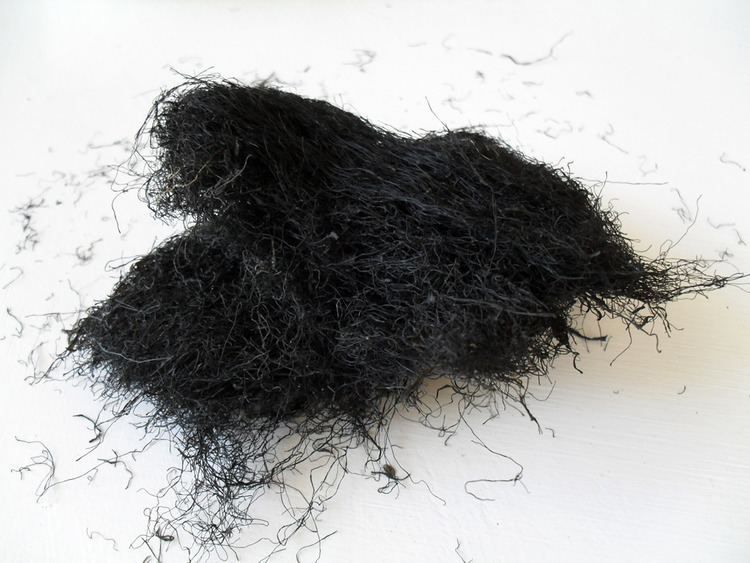
The rapid evolution of the global culinary landscape often brings forth innovative, and sometimes provocative, trends that challenge traditional norms. Recently, a peculiar pastry trend originating from Thailand, known as the "Pattaya Croissant" or "Fat Choy Cake," has gained significant traction across Southeast Asia, including Indonesia. While the culinary world often celebrates creativity, this specific trend has sparked a heated debate regarding religious compliance and social decency. The controversy centers on the pastry’s aesthetic, which features a topping of thin, dark, tangled fibers that many consumers have likened to human pubic hair. This visual similarity has not only triggered a social media frenzy but has also prompted a formal clarification from the Indonesian Ulema Council (MUI) regarding the product’s eligibility for halal certification.
The Origins and Composition of the "Hair Pastry" Trend
The trend first emerged in the vibrant street food scenes of Thailand, particularly in Pattaya, where bakers began experimenting with unconventional toppings to capture the attention of a digital-first audience. The "hair" in question is not synthetic nor of animal origin; it is a biological substance known as Fat Choy. Scientifically classified as Nostoc flagelliforme, Fat Choy is a terrestrial cyanobacterium that grows in the arid regions of Northern China and Mongolia. In its natural state, it forms thin, dark filaments that resemble black hair, earning it the nickname "hair vegetable."
Historically, Fat Choy has been a staple in Cantonese cuisine, particularly during Lunar New Year celebrations. Its name in Cantonese is a homophone for "striking it rich," making it a symbol of prosperity. However, its recent application as a messy, unrefined topping on Western-style pastries like croissants and bento cakes has shifted its perception from a prestigious ingredient to a source of visual discomfort. When dried and processed, the filaments become lightweight and brittle, but when placed atop cream-filled pastries, they clump together in a manner that many find unappetizing or suggestive.
As these pastries entered the Indonesian market through viral TikTok and Instagram videos, local entrepreneurs began replicating the aesthetic. However, in a country where the majority of the population adheres to Islamic dietary laws, the question of whether such "shock-value" food can be certified as halal became a central point of inquiry for both consumers and business owners.
The Legal Framework: Beyond Ingredients
In the Indonesian context, halal certification is governed by a rigorous set of standards managed by the Halal Product Assurance Agency (BPJPH) in collaboration with the MUI. A common misconception among the public is that "halal" refers solely to the absence of prohibited ingredients such as pork, alcohol, or blood. While the chemical and biological composition of a product is the primary pillar of certification, it is by no means the only one.

According to the MUI, the evaluation of a product’s halal status involves a holistic approach that includes the name, shape, packaging, and the overall "appropriateness" of the product. This is rooted in the Islamic principle of Halalan Thayyiban. While "Halal" refers to what is permissible, "Thayyib" refers to what is good, wholesome, pure, and ethically sound. A product may contain 100% permissible ingredients—such as the flour, butter, sugar, and Nostoc flagelliforme found in these cakes—but if it fails the test of Thayyib, it may still be denied certification.
MUI Fatwa Number 44 of 2020: The Standard of Decency
The primary legal hurdle for the "pubic hair cake" is Fatwa MUI Number 44 of 2020, which specifically addresses the "Use of Names, Shapes, and Packaging of Products that Cannot be Certified Halal." This fatwa was established to prevent the normalization of concepts that contradict Islamic values through food and beverage consumption.
The fatwa outlines several criteria that disqualify a product from receiving a halal certificate, even if the ingredients are technically permissible:
- Names and Symbols of Sin or Disbelief: Products named after deities of other religions, or those associated with prohibited acts (such as "Satan’s Noodles" or "Beer-flavored Soda"), are generally restricted.
- Shapes Resembling Prohibited Animals: Foods shaped like pigs or dogs are ineligible for certification to avoid confusion and maintain the sanctity of halal standards.
- Eroticism and Vulgarity: Any product that features shapes, packaging, or marketing materials that are erotic, pornographic, or otherwise suggestive of "vulgarity" is strictly prohibited from receiving a halal label.
The "Pattaya Croissant," due to its deliberate visual resemblance to a sensitive part of the human anatomy, falls squarely into the third category. The MUI argues that food should be presented with dignity and respect. By marketing a product that leans into a "pubic hair" aesthetic for viral engagement, the producers are seen as violating the moral and ethical standards of Thayyib.
The Role of ‘Urf’ in Halal Jurisprudence
A critical element in the MUI’s decision-making process is the concept of Urf, or local custom and social tradition. In Islamic jurisprudence, Urf refers to the collective habits and perceptions of a society that have become an accepted norm. If the general public perceives a certain shape or name as disgusting (khobith) or morally offensive, that perception carries weight in the legal ruling.
In the case of the "hair-topped" pastry, the widespread public reaction in Indonesia has been one of unease. While the Fat Choy itself is a traditional food in other cultures, its specific presentation in this trend is designed to provoke a reaction based on its resemblance to something considered "unclean" or "private" in social discourse. Therefore, under the principle of Urf, the pastry is deemed inappropriate for general consumption under the "Halal Indonesia" banner because it conflicts with the local sense of decency and culinary ethics.
Chronology of the Controversy and Public Reaction
The timeline of this controversy began in early 2024, when "Pattaya Croissants" became a staple of Thai food vlogs. By mid-2024, several "boutique" bakeries in Jakarta and Surabaya began offering similar items, often using the viral "hair" comparison as a marketing hook.
In June and July 2024, the Indonesian social media space was flooded with "honest reviews" of the pastry. While some praised the unique earthy taste of the Fat Choy, the majority of comments focused on the "unsettling" appearance. On July 16, 2024, official reports from the MUI’s digital portal and various national news outlets clarified the situation following a surge of inquiries to the BPJPH.
The MUI’s stance was a preemptive measure to guide business owners. As the Indonesian government moves toward a mandatory halal certification deadline for all food and beverage products (originally slated for October 2024, with some extensions), many vendors were concerned that they might invest in this trend only to find their businesses ineligible for the mandatory "Halal Indonesia" logo.
Environmental and Ethical Considerations of Fat Choy
Beyond the religious and aesthetic debate, the use of Fat Choy (Nostoc flagelliforme) carries its own set of ethical and environmental implications that further complicate its "Thayyib" status. In China, the harvesting of Fat Choy has been strictly regulated and, in many areas, banned since the year 2000.
Because the cyanobacteria grow in arid grasslands, harvesters often scrape the top layer of soil to collect the filaments. This process leads to severe soil erosion and desertification. It is estimated that to harvest a small amount of Fat Choy, a disproportionately large area of grassland is destroyed. This environmental degradation contradicts the Islamic principle of Khalifah (stewardship of the Earth). While this environmental factor is not the primary reason for the denial of halal certification in this specific case, it adds a layer of "unwholesomeness" to the ingredient’s profile, reinforcing the argument that the trend does not align with the values of responsible and ethical consumption.
Analysis of Marketing Ethics in the Digital Age
The "pubic hair cake" phenomenon is a textbook example of "shock marketing"—a strategy where brands deliberately offend or surprise an audience to gain visibility. In the age of the attention economy, being "gross" or "weird" is often more profitable than being "good." However, for the Indonesian food industry, this case serves as a reminder that the regulatory environment provides a check on such strategies.

The denial of halal certification for such products has a significant commercial impact. In Indonesia, the halal logo is more than a religious stamp; it is a mark of quality and trust. Products without this certification may be excluded from major retail chains, face boycotts from conservative consumer segments, and suffer from a perceived lack of "cleanliness." For business owners, the lesson is clear: innovation must be tempered with cultural and religious sensitivity.
Conclusion and Broader Implications
The MUI’s ruling on the "hair-topped" pastry is not an indictment of the ingredients themselves, but a firm stance on the ethics of food presentation. The council has clarified that while the components of the cake might be Halal (permissible), the final product fails to meet the criteria of Thayyib (wholesome) due to its vulgar connotations and the eroticized nature of its marketing.
This decision sets a precedent for future culinary trends that may attempt to use shock value or "edgy" branding to gain market share. It reinforces the idea that in the Indonesian market, food is seen as a holistic experience that encompasses physical, spiritual, and moral health. As the country moves toward full implementation of its halal assurance laws, the "Pattaya Croissant" serves as a cautionary tale for entrepreneurs: in the pursuit of the "viral," one must not lose sight of the "venerable."
The intersection of modern food trends and ancient religious principles continues to be a dynamic space. While the "hair cake" may eventually fade as a fleeting internet fad, the regulatory frameworks that governed its rejection remain as the guardians of Indonesia’s unique culinary and moral identity. Consumers are encouraged to remain vigilant and prioritize products that reflect both dietary purity and social decency, ensuring that what they consume is truly Halalan Thayyiban.