Japan has long captured the global imagination for its remarkable public health statistics, most notably its extraordinarily high life expectancy and a rapidly growing demographic of centenarians. Recent demographic data indicates that the country is home to hundreds of thousands of residents aged 100 or older, a phenomenon that has prompted extensive academic and nutritional research worldwide. While numerous socioeconomic and cultural variables contribute to this milestone, public health experts consistently point to traditional dietary patterns as a foundational pillar of Japanese longevity. Recently, Tokyo-born nutritionist Asako Miyashita, MS, RDN, CDN, shared insight into the specific, nutrient-dense foods that she and her family routinely consume to promote long-term vitality, echoing broader scientific consensus regarding the health benefits of the traditional Japanese diet.
The connection between Japanese dietary habits and longevity first gained international prominence in the late 20th century through extensive epidemiological studies, such as the Okinawa Centenarian Study. Researchers began closely examining the populations of regions like Okinawa, which historically boasted one of the highest concentrations of healthy centenarians globally. Over the decades, nutritional scientists have shifted their focus from general caloric restriction to the specific biochemical properties embedded in everyday Japanese ingredients. Miyashita’s recent disclosures to international media outlets like CNBC underscore a lifelong cultural philosophy that treats food not merely as sustenance, but as an active component of preventive healthcare. Growing up in a household where wellness was deeply intertwined with culinary traditions, Miyashita incorporated these five staple foods into her professional and personal dietary practices, aligning her daily routine with time-tested nutritional wisdom that modern science continues to validate.
At the forefront of these longevity-promoting staples is the Japanese sweet potato, scientifically categorized as Ipomoea batatas, and colloquially known as the purple sweet potato, particularly prevalent in the dietary regimen of Okinawa. Unlike standard white potatoes, these vibrant root vegetables are rich in complex carbohydrates that provide sustained energy without causing rapid glycemic spikes. More importantly, they are exceptionally dense in anthocyanins—the natural water-soluble pigments responsible for the distinct purple-red hue found in various plants. Anthocyanins function as potent antioxidants, neutralizing harmful free radicals that induce oxidative stress and cellular degradation over time. Furthermore, epidemiological observations suggest that the regular consumption of these nutrient-dense tubers correlates positively with improved metabolic markers and robust cardiovascular health, offering a compelling explanation for the sustained vitality observed among elderly populations in southern Japan.
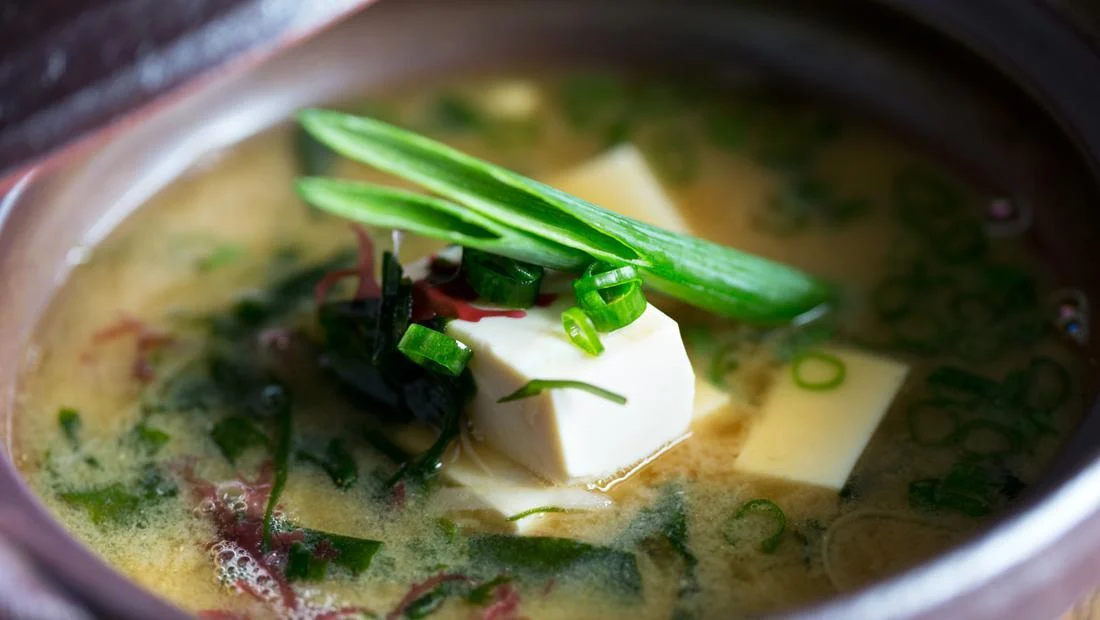
Complementing the metabolic benefits of the sweet potato is another cornerstone of Japanese culinary heritage: miso soup. Miso is a traditional seasoning produced by fermenting soybeans with salt and a specific fungus known as Aspergillus oryzae (commonly called koji), occasionally combined with rice, barley, or other grains. Served as a daily staple alongside tofu, seaweed, and seasonal vegetables, miso represents the profound health implications of fermented foods within the traditional Japanese diet. The fermentation process breaks down complex macromolecules into highly bioavailable nutrients while generating beneficial microorganisms, or probiotics. Contemporary nutritional science increasingly highlights the critical role of gut microbiota in human health, linking a balanced intestinal microbiome to enhanced immune function, reduced systemic inflammation, and improved metabolic regulation. Consequently, the daily consumption of miso soup provides a continuous supply of bioactive compounds that support long-term gastrointestinal and systemic equilibrium.
Beyond fermented soy products, the traditional Japanese pantry heavily incorporates nutrient-dense root vegetables, most notably the daikon radish. This large, white-skinned winter radish is remarkably versatile, frequently featured raw in grated form, simmered in broths, or integrated into complex stews. Daikon is exceptionally rich in vitamin C, a vital micronutrient that acts as a powerful antioxidant, shielding cellular structures from oxidative damage while bolstering the operational capacity of the immune system. Additionally, the root vegetable supplies a substantial quantity of dietary fiber, which is indispensable for maintaining optimal gastrointestinal motility and overall digestive health. By facilitating efficient nutrient absorption and waste elimination, regular inclusion of daikon contributes to the metabolic efficiency that characterizes populations with high life expectancy indices.
No overview of Japanese longevity foods is complete without examining the omnipresence of sea vegetables, collectively known as seaweed or kaiso. Varieties such as wakame, kombu, and nori are dietary staples embedded in everything from daily breakfast miso broths to elaborate celebratory dishes. Nutritionally, seaweed functions as a concentrated botanical multivitamin, delivering an abundance of essential minerals including iron, calcium, folate, and magnesium, alongside high levels of dietary fiber. Furthermore, marine plants synthesize specialized antioxidant compounds such as fucoxanthin and fucoidan. Biochemical research indicates that these unique marine carotenoids and polysaccharides possess significant anti-inflammatory and immunomodulatory properties. By mitigating chronic low-grade inflammation—a primary driver of age-related degenerative pathologies—the regular intake of sea vegetables supports sustained physiological resilience across the human lifespan.
The final pillar of this longevity-focused dietary framework is the consistent consumption of high-quality protein, specifically oily fish such as salmon, tuna, mackerel, and sardines. Nutritionists like Asako Miyashita emphasize the integration of marine-derived proteins as an alternative to heavier red meats, a practice deeply rooted in Japan’s geographic identity as an island nation. Oily fish are celebrated globally for their high concentrations of omega-3 polyunsaturated fatty acids, specifically eicosapentaenoic acid (EPA) and docosahexaenoic acid (DHA). These essential fatty acids play a critical biochemical role in cardiovascular health by helping to regulate blood pressure, maintain optimal triglyceride levels, and suppress inflammatory pathways throughout the vascular network. The habitual consumption of omega-3 fatty acids is widely recognized by cardiologists and epidemiologists as a major contributing factor to the lower incidence of ischemic heart disease observed in populations adhering to traditional marine-based diets.
The broader implications of these dietary practices extend far beyond individual health outcomes, offering a vital blueprint for global public health initiatives addressing the challenges of aging populations. As chronic non-communicable diseases such as obesity, type 2 diabetes, and cardiovascular disorders continue to strain healthcare systems worldwide, the nutritional models demonstrated by Japanese centenarians provide actionable insights for preventative medicine. Public health analysts note that the core strength of the traditional Japanese diet lies not in isolated "superfoods," but in a holistic dietary pattern characterized by high nutrient density, minimal processed ingredients, portion control, and a deep cultural respect for whole foods. As global interest in longevity science accelerates, the integration of these foundational elements into contemporary dietary guidelines offers a promising pathway toward extending not merely human lifespan, but healthspan—the period of life spent in good health and functional independence.