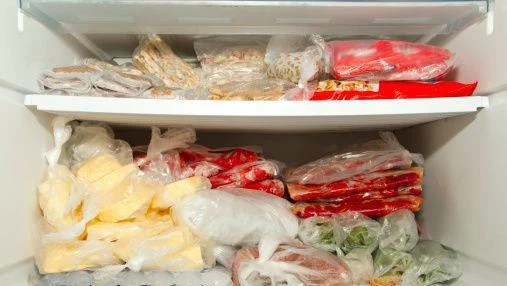
The freezer is often viewed as a sanctuary for food preservation, a domestic technological marvel capable of arresting the biological clock of perishable goods. By maintaining temperatures typically ranging from 0°C down to -18°C or lower, freezers effectively slow the metabolic processes of bacteria, fungi, and enzymes that lead to food spoilage. While this cold-chain maintenance is essential for modern food safety and household waste reduction, it is a common misconception that the freezer serves as a permanent, sterile vault. Recent guidance from food safety experts highlights that improper freezer management can lead to significant food quality degradation, contamination, and the accumulation of hazardous materials in the home kitchen.
A comprehensive review of best practices in food storage suggests that domestic freezers often become cluttered with items that have long outlived their culinary utility. According to professional cleaning experts such as Rochelle Wilkinson of Dirt Detective Cleaning and industry specialists like Logan Taylor, the integrity of a home freezer is frequently compromised by neglect. The following analysis outlines five categories of items that should be removed from the freezer to ensure food safety, optimize appliance performance, and maintain the hygiene of the home food storage environment.
1. Compromised Packaging and Spilled Contents
The integrity of food storage begins with the quality of the packaging. When food items are stored in damaged, open, or unsealed containers, the freezer’s environment is compromised. Spillage—such as loose frozen peas, berries, or ice crystals forming on exposed surfaces—indicates a failure in the storage seal. This not only invites cross-contamination but also accelerates the process of dehydration, commonly referred to as "freezer burn."

When packaging is compromised, moisture from the food evaporates into the freezer’s dry, cold air, leading to the formation of ice crystals on the exterior of the product. While freezer-burned food is technically safe to eat, its texture and flavor profile are significantly degraded. Experts recommend that if food items have been spilled or the original packaging is torn, the contents should be transferred to air-tight, freezer-safe containers immediately. If the food has been exposed to the air for an extended period, the recommendation shifts toward disposal, as the quality loss likely renders the product unpalatable.
2. The Hidden Risks of Aged Ice Cubes
A common oversight in household kitchen management is the assumption that ice is a permanent, inert substance. In reality, ice is highly porous and acts as a scent sponge. Over time, ice cubes stored in trays or bins absorb the volatile organic compounds emitted by other items in the freezer, such as aromatic leftovers, raw proteins, or pungent vegetables.
Beyond the issue of flavor contamination, ice is susceptible to the same environmental hazards as any other food item. If not stored in a sealed container, ice can accumulate dust particles, airborne bacteria, and odors from the surrounding freezer compartment. Logan Taylor notes that once ice has absorbed these environmental odors, the effect is irreversible. The standard protocol for maintaining a clean freezer involves the periodic disposal of old ice and the thorough sanitization of ice trays and storage bins. Implementing a system where fresh ice is stored in sealed bags or containers significantly mitigates the risk of contamination and ensures that beverages served in the home maintain their intended flavor profile.
3. Expiration and the Signatures of Freezer Burn
The concept of "frozen forever" is a persistent myth that contributes to significant food waste. Every food item has a peak shelf life, even when frozen. Professional guidance emphasizes that any product exceeding its expiration date must be discarded. However, many households lack proper labeling, making it difficult to track the timeline of stored items.
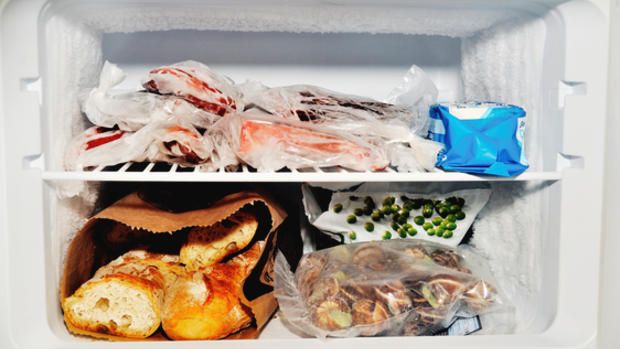
In cases where dates are missing, physical inspection is required. Freezer burn is the most definitive indicator that an item has remained in the freezer beyond its prime. Visually, this manifests as a dry, leathery surface, greyish or white discoloration, or the presence of heavy ice deposits within the packaging. When these signs appear, it indicates that the food has lost its moisture content due to sublimation. Consuming such products is generally not a health hazard, but the culinary value is effectively zero. A best practice for modern kitchens is to implement a "first-in, first-out" (FIFO) inventory system, ensuring that older items are utilized before newer purchases.
4. Fragmented Inventories and Underutilized Containers
Clutter is not merely an aesthetic issue in a freezer; it is an operational one. A freezer packed with nearly empty containers, partially used bags of vegetables, or single portions of leftovers inhibits proper air circulation. Most residential freezers rely on the flow of cold air to maintain consistent temperatures across all zones. When the appliance is overcrowded with "near-empty" items, the circulation is obstructed, leading to temperature fluctuations that can compromise the safety of other, more critical food items.
Efficiency experts suggest a rigorous audit of the freezer’s contents. If a container holds only a negligible amount of food, it should be consumed immediately or disposed of to free up space. By reducing the volume of unnecessary packaging, the freezer can operate more efficiently, requiring less energy to maintain its internal temperature. This practice also assists in the mental organization of the kitchen, preventing the accumulation of "mystery" items that often lead to excessive food waste.
5. The Hazard of Unidentified "Mystery" Items
Perhaps the most significant risk factor in the home freezer is the presence of unidentified, unlabeled items. The practice of storing leftovers without proper labeling or dating often leads to a "mystery" inventory. As time passes, the identity of the food becomes obscured by frost and time, eventually leading to items that remain in the freezer for months or even years.
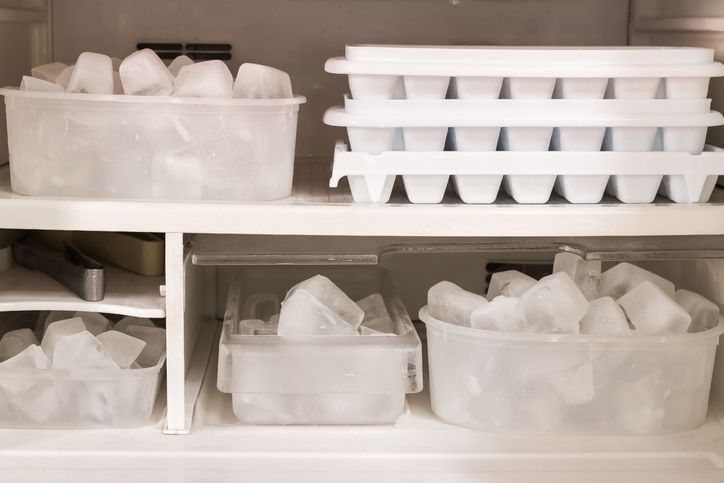
Experts emphasize that if a user cannot definitively identify an item, its date of entry, or its origin, it should be discarded immediately. Attempting to consume unidentified frozen items poses a potential, albeit rare, food safety risk. More importantly, these items consume valuable storage capacity and serve as a constant source of clutter. A common incident reported by professional organizers involves individuals attempting to use "frozen assets" for recipes—such as using frozen fruit for smoothies—only to discover that the item is either spoiled or entirely different from what was anticipated. To prevent this, the use of permanent markers on masking tape or specialized freezer labels is recommended for every item entering the appliance.
Broader Implications for Food Safety
The implications of poor freezer management extend beyond simple kitchen cleanliness. Food waste remains a global concern, with household waste accounting for a significant portion of the total. By adhering to a systematic cleaning and purging schedule for the freezer, households can reduce the volume of food discarded due to spoilage. Furthermore, maintaining a clean, organized freezer enhances the longevity of the appliance itself. Frost buildup caused by over-storage can force the freezer’s compressor to work harder, leading to increased energy consumption and premature mechanical failure.
From a public health perspective, the freezer is a critical tool for preventing foodborne illness. By ensuring that items are kept at appropriate temperatures and that packaging is intact, the risks associated with bacterial growth are minimized. However, the freezer is not a panacea; it is a temporary storage solution that requires active management.
In conclusion, the maintenance of a household freezer should be treated with the same level of diligence as any other area of food preparation. By removing compromised packaging, discarding old ice, monitoring expiration dates, eliminating clutter, and removing unidentified items, consumers can ensure that their freezer remains an asset rather than a liability. Adopting these habits promotes not only a more efficient kitchen but also a safer environment for food consumption, ultimately contributing to better health outcomes and reduced household waste. As modern appliances continue to evolve, the human element—the discipline to manage what goes into the freezer and for how long—remains the most important factor in food safety.