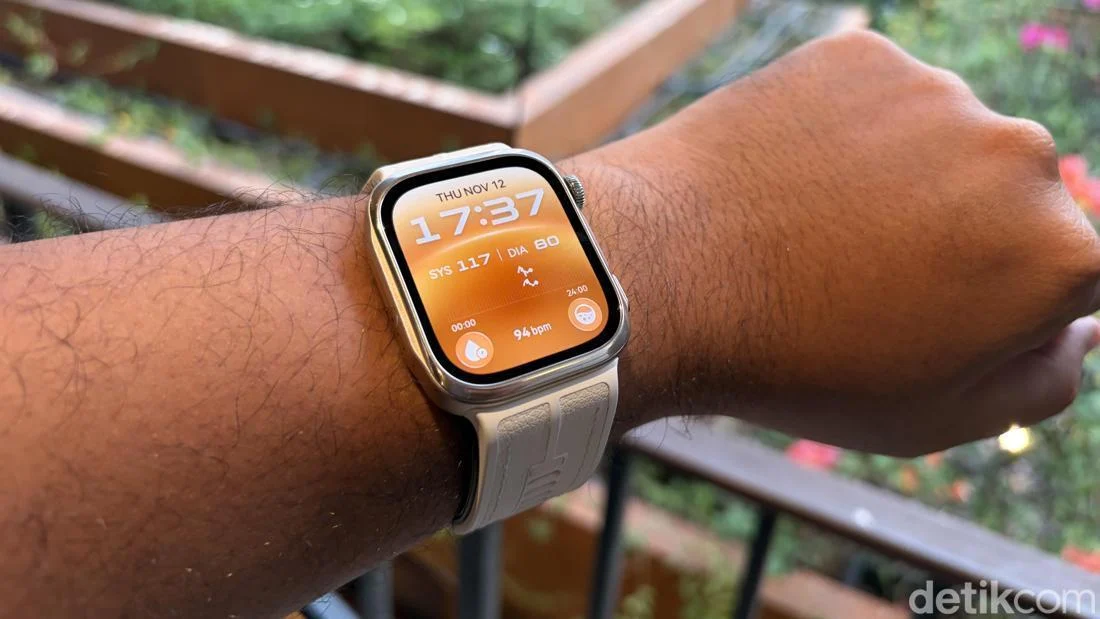
The wearable technology landscape has witnessed a significant evolution with the official launch of the Huawei Watch D3, a device that aims to bridge the gap between medical-grade health monitoring and high-performance sports tracking. Moving beyond the foundational blood pressure monitoring capabilities that defined its predecessors, the D3 introduces a refined aesthetic, a thinner chassis, and a comprehensive suite of athletic features tailored for both casual fitness enthusiasts and dedicated athletes. Priced at IDR 6,999,000 in the Indonesian market, the device represents Huawei’s strategic push to capture the premium segment of the smartwatch market where health-conscious users demand both aesthetic versatility and data-driven insights.
The launch, which spans from November 19 to December 18, 2026, positions the D3 as more than just a peripheral for health management; it is marketed as a lifestyle companion. By reducing the device’s thickness by 15 percent—from 13.3 mm to 11.3 mm—Huawei has addressed one of the primary consumer criticisms of previous iterations: bulkiness. This design overhaul allows the watch to transition seamlessly from a rugged outdoor environment to a formal professional setting, a hallmark of modern flagship wearables.
The Evolution of Health-Centric Wearables
The history of Huawei’s “D” series is rooted in the pursuit of medical-grade accuracy in a consumer-friendly form factor. When the original Watch D was introduced, it was one of the first commercially available smartwatches to feature a micro-pump system capable of inflating an internal airbag to measure blood pressure, a departure from the purely optical sensor methods employed by competitors.
With the D3, the focus has shifted toward integrating this clinical capability into an active, high-intensity environment. The inclusion of the "Pre- & Post-Exercise Blood Pressure Measurement" feature is a pioneering step in the industry. By allowing users to capture blood pressure readings immediately before and after a workout, Huawei provides a unique dataset that helps users understand how their cardiovascular system responds to physical exertion. This level of granular data, when synchronized with the Huawei Health application, offers a comprehensive longitudinal study of an individual’s heart health.
Comprehensive Athletic Ecosystem and Specialized Modes
Modern smartwatches are increasingly expected to act as virtual coaches. The Huawei Watch D3 addresses this demand by offering over 100 dedicated sports modes. While standard metrics such as step counts and heart rate zones are included, the device distinguishes itself through specialized software integrations.
The highlight for many will be the Advanced Golf Mode and Golf Course Mode. These features leverage the device’s sensors to provide golfers with course-specific insights. By integrating GPS and motion tracking, the watch acts as a rangefinder and performance analyst, helping users track their swings and navigate course layouts. This diversification into niche sports demonstrates that Huawei is targeting a demographic that values specific, actionable data over general activity tracking.
Furthermore, the integration of "Enhanced Health Glance" and "Health Insights" provides a holistic view of the user’s recovery state. Heart Rate Variability (HRV) analysis, emotional state tracking, and sleep quality monitoring are processed together to suggest whether a user should push for a high-intensity workout or prioritize rest. This ecosystem-based approach reflects a growing trend in digital health where the focus is moving from simple activity tracking to predictive recovery modeling.
Engineering Advancements: Display and Design
The physical build of the Watch D3 is a testament to recent advancements in miniaturized sensor technology. Achieving a 15 percent reduction in thickness required a complete redesign of the internal air pump and pressure-sensing components. Despite this compression, the watch features a 1.92-inch display that boasts a peak brightness of 3,000 nits.
In the context of outdoor performance, brightness is a critical metric. A 3,000-nit display ensures that visibility is maintained even under harsh, direct sunlight—a common pain point for hikers, cyclists, and golfers. This level of brightness puts the D3 in direct competition with top-tier outdoor sports watches from brands like Garmin and Apple, which have historically dominated the outdoor enthusiast segment.
The color palette—Mocha Gold, Gold, and Black—reflects a move toward premium aesthetics. By providing these options, Huawei is clearly aiming to ensure that the device does not look out of place in a boardroom or at a social event, addressing the "tech-only" look that often limits the appeal of performance-heavy wearables.
Market Context and Strategic Implications
The release of the Watch D3 arrives at a time when the global wearable market is undergoing a shift toward "medical-lite" functionalities. Consumers are no longer satisfied with simple calorie counting; they are seeking devices that provide early warning signs of health irregularities.
Industry analysts suggest that the incorporation of blood pressure monitoring, while complex from a regulatory and engineering standpoint, is the "holy grail" of consumer health tech. By maintaining this feature while slimming down the form factor, Huawei is effectively creating a new product category: the "Medical Sports Watch."
The promotional strategy in Indonesia, which includes an extended warranty and a "Worry Free Care Package," signals that Huawei is attempting to build long-term trust with consumers. This is particularly important for a device that deals with health data; consumers are generally more loyal to brands that provide robust after-sales support and data security assurances. The inclusion of a 3-month Huawei Health+ membership also suggests that the company is transitioning toward a recurring revenue model, where the value of the hardware is augmented by continuous digital service updates.
Broader Impact on the Industry
The arrival of the Huawei Watch D3 raises the bar for competitors. Other manufacturers must now consider the cost-benefit analysis of including blood pressure hardware versus the design compromises it entails. If the D3 succeeds in proving that a slim device can maintain clinical-grade accuracy, it may force a market-wide adoption of such features.
From a data perspective, the ability to store and analyze these metrics through the Huawei Health app provides users with a powerful tool to share with medical professionals. While these watches are not meant to replace professional diagnostic equipment, they serve as excellent tools for monitoring trends, which can provide doctors with more context during routine check-ups.
Conclusion and Future Outlook
As the device becomes available to the public, the primary metrics for success will be the accuracy of the blood pressure readings in dynamic, high-movement scenarios and the actual battery longevity while utilizing the 3,000-nit display and continuous health monitoring.
The Huawei Watch D3 stands as a pivotal device that successfully balances the rigorous requirements of health monitoring with the aesthetic and performance needs of the modern consumer. Whether for the casual trekker or the competitive golfer, the device provides a sophisticated platform for those looking to take a proactive role in their physical well-being. With its aggressive launch campaign and clear focus on bridging the gap between professional health tech and daily lifestyle needs, the D3 is poised to be a significant player in the high-end smartwatch segment throughout 2026 and beyond. As users begin to integrate these advanced metrics into their daily routines, the dialogue around what a "smartwatch" is capable of achieving will likely continue to shift toward deeper, more meaningful clinical integration.